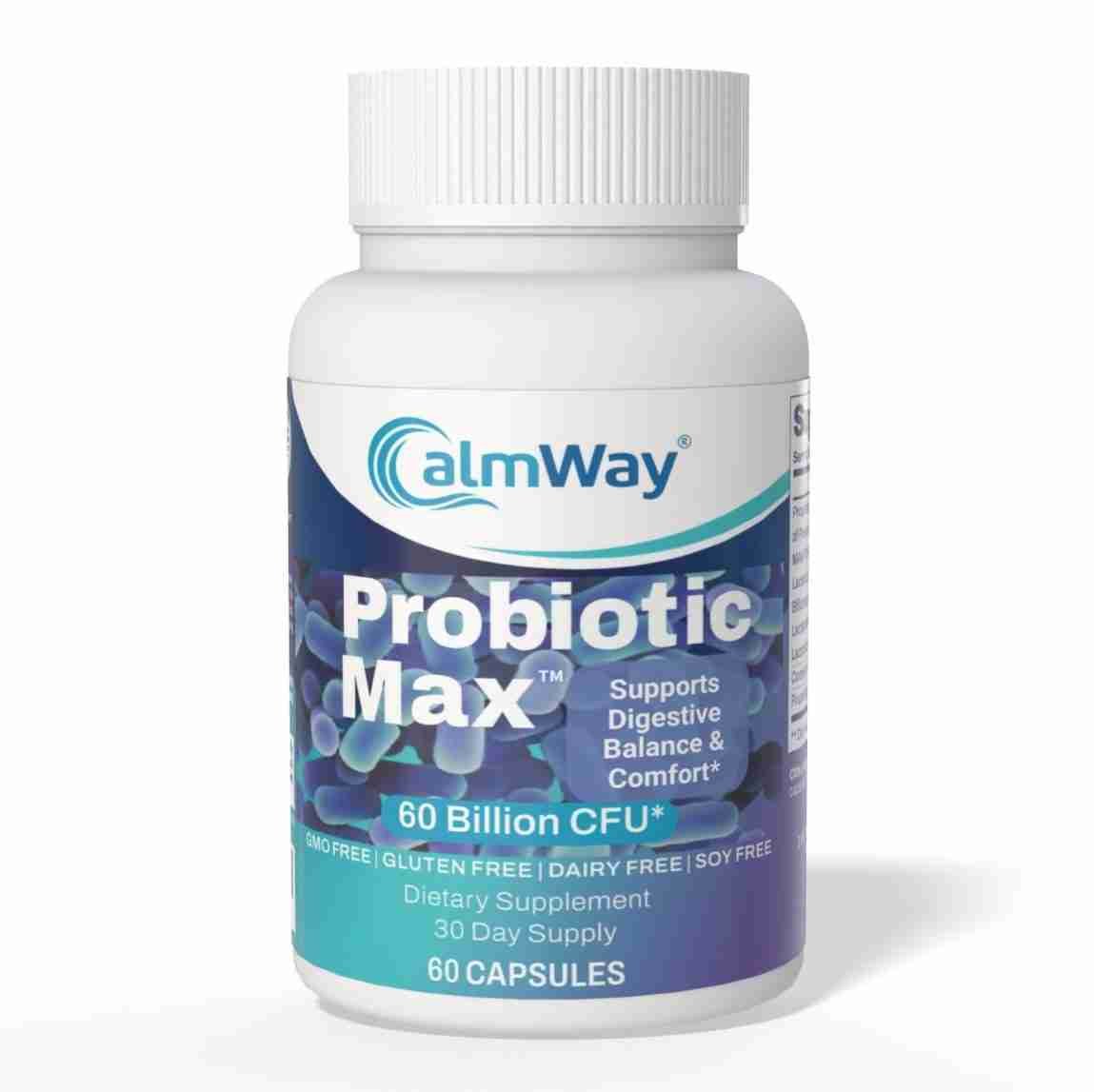


$19.99


$19.99
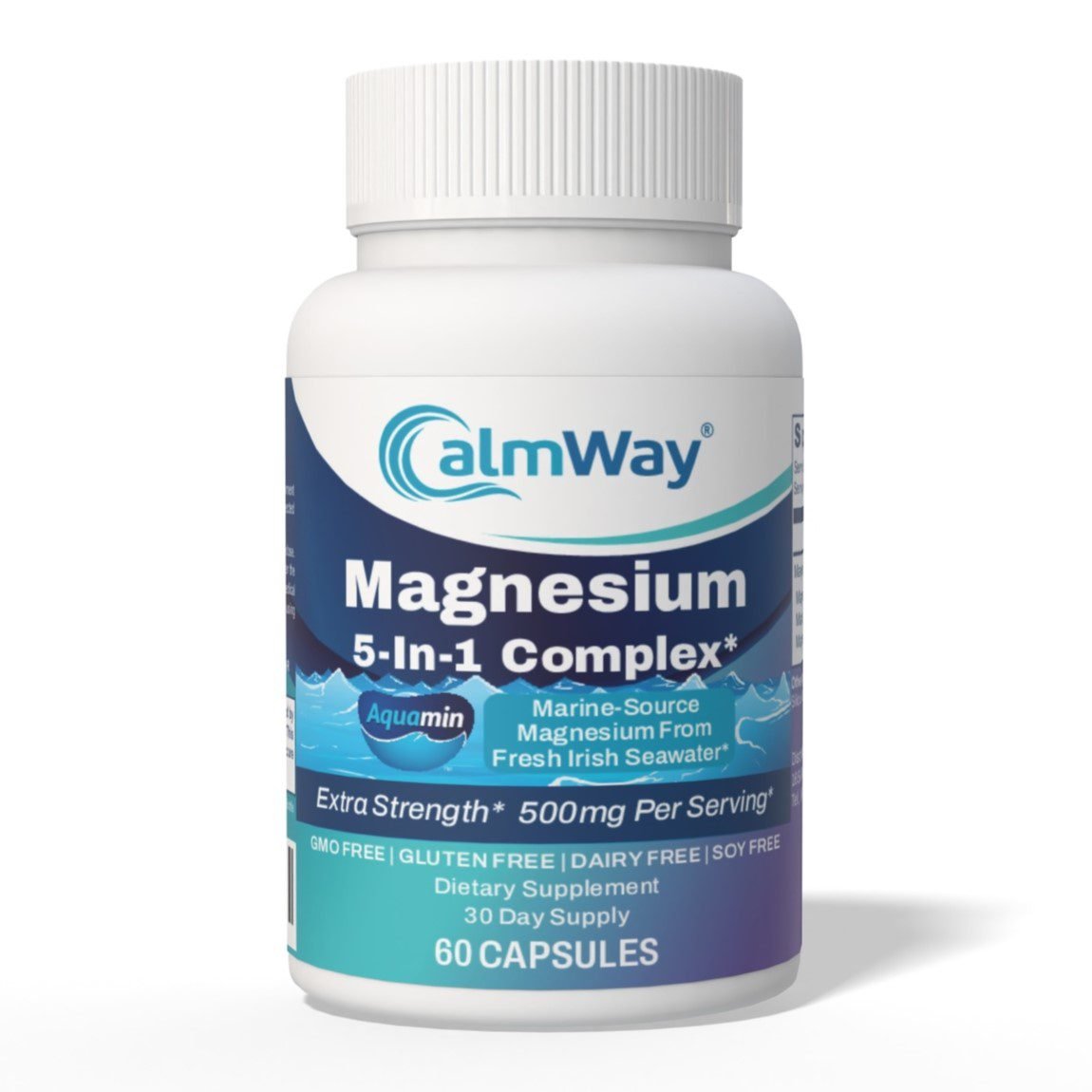
$23.99

$23.99
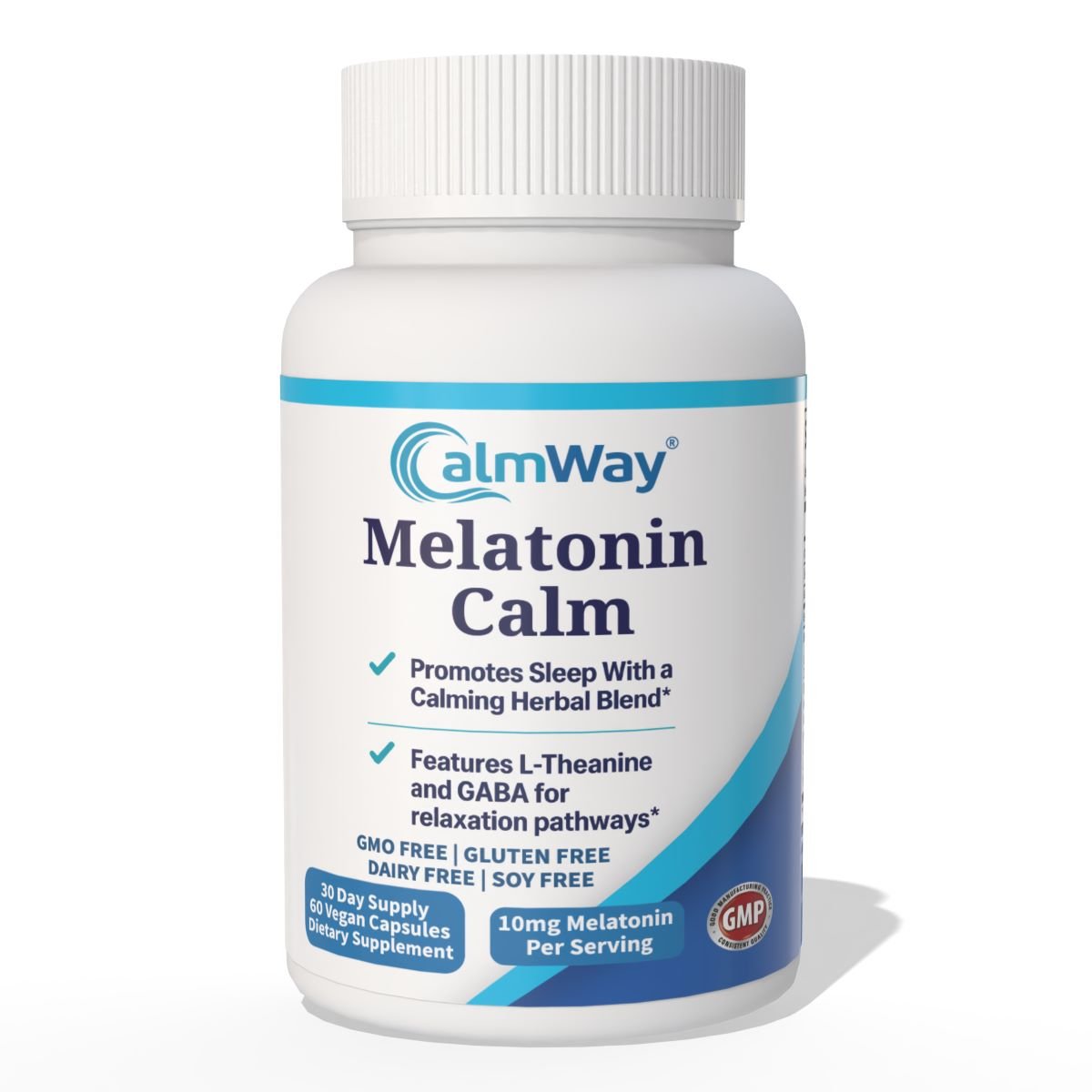
$19.99
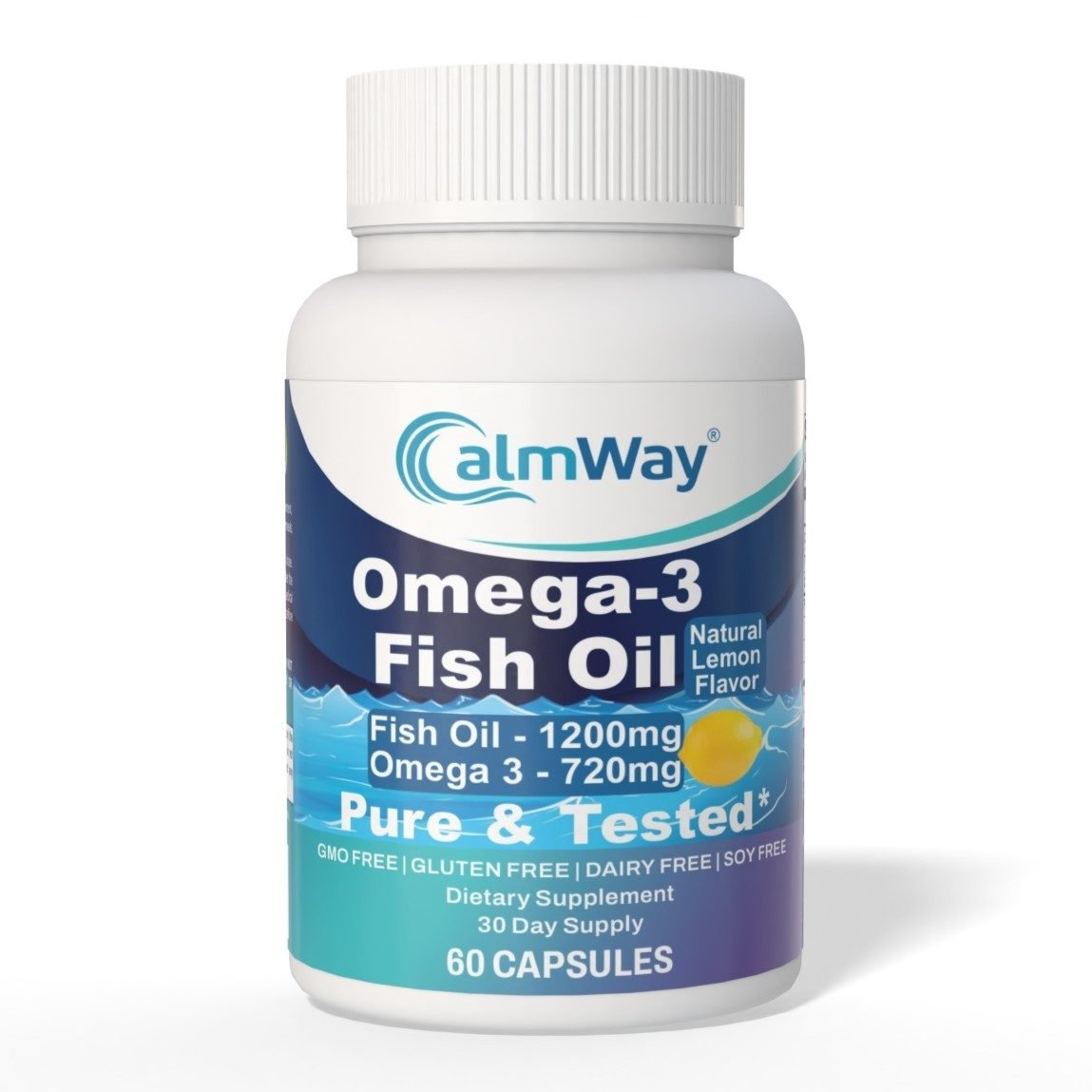
$19.99
In a world increasingly driven by pharmaceuticals and quick fixes, many people are turning to natural supplements to support their mental and physical well-being. One such compound, 5-hydroxytryptophan (5-HTP), has garnered attention for its potential to enhance mood, sleep, weight management, and more. Derived from the African plant Griffonia simplicifolia seeds, 5-HTP serves as a direct precursor to serotonin—a neurotransmitter essential for emotional balance, appetite regulation, and restful sleep.
Scientific interest in 5-HTP has grown steadily, positioning it as a promising, natural alternative for those seeking wellness through gentle biochemical support. This article explores the science, benefits, and considerations of using 5-HTP to improve health.
5-HTP is a naturally occurring amino acid and chemical intermediate in serotonin biosynthesis from the essential amino acid tryptophan. After ingestion, 5-HTP is converted into serotonin in the brain via the enzyme aromatic L-amino acid decarboxylase (Birdsall, 1998). Because it crosses the blood-brain barrier more efficiently than tryptophan, supplementation with 5-HTP may be more effective in increasing central serotonin levels.
Serotonin, often called the “feel-good” neurotransmitter, influences various functions, including mood, sleep, pain perception, and appetite. Deficiencies in serotonin have been linked to conditions such as depression, anxiety, fibromyalgia, and insomnia (Young, 2007).
The most well-known application of 5-HTP is its use as a natural antidepressant. Several studies suggest that increasing serotonin levels via 5-HTP supplementation can help alleviate symptoms of mild to moderate depression.
A meta-analysis of 5-HTP clinical trials concluded that it was more effective than placebo in treating depression (Shaw et al., 2002). Despite the small sample sizes, 5-HTP produced comparable outcomes to prescription SSRIs (Selective Serotonin Reuptake Inhibitors) but with fewer side effects.
Furthermore, some studies have explored 5-HTP in treatment-resistant depression, where patients have not responded well to conventional antidepressants. Combining 5-HTP with SSRIs under clinical supervision has shown promise (Turner et al., 2006), though more research is needed in this area.
Serotonin not only impacts mood but also plays a crucial role in anxiety regulation. Low serotonin levels have been associated with heightened fear and emotional dysregulation.
5-HTP may exert anxiolytic (anxiety-reducing) effects by enhancing serotonin activity in the brain. A study conducted by Attanasio et al. (1985) found that subjects who took 5-HTP reported lower levels of stress and anxiety. Another study suggested that 5-HTP supplementation reduced panic attacks in individuals with panic disorder (Kahn & Westenberg, 1985).
By promoting emotional equilibrium, 5-HTP may support those experiencing generalized anxiety disorder (GAD), social anxiety, or stress-related conditions.
Serotonin is a precursor not only to melatonin—the hormone that governs sleep-wake cycles—but also influences the architecture and regulation of sleep itself. This makes 5-HTP a natural sleep aid.
Several studies have found that 5-HTP helps people fall asleep faster, increases REM sleep, and improves overall sleep quality (Wyatt et al., 1971). Because 5-HTP helps increase melatonin production in the brain, it may benefit those struggling with insomnia, circadian rhythm disruptions, or irregular sleep patterns.
Unlike pharmaceutical sleep aids, 5-HTP does not tend to cause grogginess or dependence, making it an appealing option for long-term use.
One lesser-known benefit of 5-HTP is its role in curbing appetite and supporting weight loss. Serotonin is heavily involved in satiety signaling in the brain. Low serotonin levels are associated with increased carbohydrate cravings and binge eating.
In one randomized, double-blind study, participants who took 5-HTP consumed fewer calories and reported earlier satiety than the placebo group (Cangiano et al., 1992). Another study found that 5-HTP helped reduce binge eating tendencies in obese individuals (Ceci et al., 1989).
These findings suggest that 5-HTP may assist individuals with emotional eating, compulsive snacking, or sugar cravings, potentially making weight loss efforts more sustainable.
Fibromyalgia is characterized by chronic pain, fatigue, and sleep disturbances. Research indicates that serotonin deficiency may affect the condition’s development.
5-HTP has shown promise in relieving fibromyalgia symptoms. In a double-blind, placebo-controlled study, patients who received 5-HTP experienced significant improvements in pain, fatigue, sleep quality, and anxiety (Caruso et al., 1990). These benefits are likely due to 5-HTP’s ability to increase serotonin and melatonin, both of which are often deficient in people living with fibromyalgia.
While more extensive studies are needed, 5-HTP may offer a natural adjunctive treatment for managing chronic pain and fatigue syndromes.
The typical dosage of 5-HTP ranges from 50 to 300 mg per day, depending on the condition being treated. For sleep-related issues, it is often taken in divided doses throughout the day or in the evening.
Potential side effects include nausea, diarrhea, and stomach discomfort, especially at higher doses. Starting with a low dose and gradually increasing may help minimize these effects.
Importantly, 5-HTP should not be combined with antidepressants like SSRIs or MAOIs without medical supervision due to the risk of serotonin syndrome, a potentially life-threatening condition caused by excessive serotonin activity.
Additionally, pregnant or breastfeeding women and people with liver disease or cardiovascular conditions should consult their healthcare provider before using 5-HTP.
5-HTP may be especially beneficial for individuals experiencing:
As with all supplements, the key is individualization. While some people respond very positively, others may not notice significant benefits. A healthcare provider can help determine whether 5-HTP is suitable based on your health needs.
5-HTP represents a compelling natural supplement with broad-reaching effects on mental health, sleep, appetite, and chronic pain. Its ability to enhance serotonin production makes it a powerful tool for those seeking holistic alternatives to pharmaceutical interventions. Backed by decades of research and traditional use, 5-HTP continues gaining credibility in mainstream and integrative medicine.
As with any supplement, thoughtful and informed use is essential. When used appropriately, 5-HTP can be a natural pathway to wellness, promoting a more balanced, energized, and emotionally resilient life.


No account yet?
Create an Account