

$19.99


$19.99

$23.99

$23.99

$19.99

$19.99

The human body is home to trillions of microorganisms that coexist with us every day. Many of these microorganisms live in the digestive tract and collectively form the gut microbiome. Over the past several years, the gut microbiome has become a major focus of scientific research and public interest, especially as people look for practical ways to support everyday wellness.
At the same time, probiotics have grown into one of the most commonly discussed categories of dietary supplements. While the terms “gut microbiome” and “probiotics” are often mentioned together, they describe different—but closely related—concepts.
This article explains what the gut microbiome is, how probiotics fit into the picture, and why daily habits play a central role in maintaining balance. The focus is on education and understanding, not medical advice or exaggerated claims.
The gut microbiome refers to the diverse community of microorganisms that naturally reside in the digestive tract. These microorganisms include various types of bacteria, along with smaller amounts of yeasts and other microbes.
Each person’s gut microbiome is unique. It is shaped over time by factors such as:
Rather than being fixed, the microbiome is constantly changing and adapting. Scientists often describe it as an ecosystem—one that responds to daily inputs like food choices, sleep routines, and physical activity.
Importantly, the gut microbiome is considered a normal and essential part of human biology.
Researchers continue to study how the gut microbiome interacts with normal bodily functions. Scientific literature has explored its involvement in areas such as:
Because the microbiome is made up of many different microorganisms working together, balance and diversity are often emphasized over the presence of any single microbe.
Everyday habits, rather than short-term changes, play the largest role in shaping the gut microbiome over time.
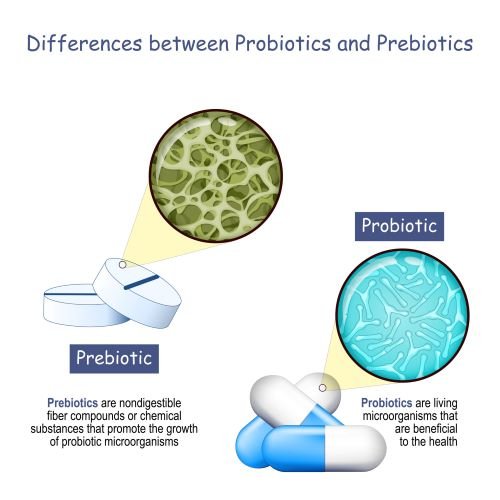
Probiotics are live microorganisms that are consumed through certain foods or dietary supplements. They are intended to support the presence of beneficial bacteria in the digestive tract as part of a balanced diet.
Probiotics are not one single substance. Instead, they include many different strains, most commonly from groups such as:
Each strain has its own characteristics, which is why many probiotic products contain multiple strains rather than just one.
Probiotics are best viewed as supportive additions to an already complex microbiome, not replacements for it.
When probiotics are consumed, they interact with the microorganisms already present in the digestive tract. Rather than permanently changing the microbiome, probiotics tend to act as temporary contributors.
Scientific research suggests that probiotics may:
Their effects depend on the consistency of use and overall dietary patterns. This is why probiotics are often discussed alongside broader lifestyle habits.

One of the most traditional ways people consume probiotics is through fermented foods. Fermentation is a natural process in which microorganisms break down sugars and starches, producing compounds that support flavor, preservation, and the growth of live cultures.
Examples of fermented foods that may contain live cultures include:
Fermented foods have been part of traditional diets across many cultures for centuries and are often valued for both taste and variety.
Probiotic supplements offer a more standardized way to consume specific strains. Unlike foods, supplements typically list:
This level of consistency is one reason people choose supplements, particularly when fermented foods are not regularly consumed.
Quality probiotic supplements are manufactured with attention to storage and stability, helping ensure live cultures remain viable through their stated shelf life.
Two common terms on probiotic labels are CFUs and strains.
CFUs, or Colony Forming Units, indicate the number of live microorganisms present at the time of manufacture. While CFU numbers are often highlighted, higher numbers are not automatically better.
Different probiotic strains interact with the digestive tract in different ways. This is why strain selection and formulation are often more important than CFU count alone.
Understanding both terms helps consumers make informed decisions without relying on marketing hype.
Prebiotics are often mentioned alongside probiotics. Unlike probiotics, prebiotics do not contain live microorganisms. Instead, they are typically non-digestible fibers that serve as a food source for certain gut bacteria.
Common prebiotic ingredients include:
By supporting the environment in which beneficial bacteria grow, prebiotics play a complementary role alongside probiotics.
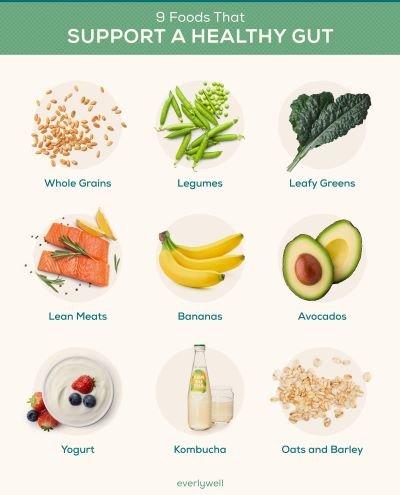
The gut microbiome responds continuously to daily habits. No single food or supplement determines its composition on its own.
Lifestyle factors that influence the microbiome include:
Consistency in these areas is often emphasized as a key part of maintaining balance.
The microbiome adapts gradually. Probiotics are not quick fixes.
Different strains have different characteristics and roles.
Effectiveness depends on formulation and quality, not just large numbers.
Understanding these myths helps set realistic expectations.
When evaluating probiotic supplements, it can be helpful to look for:
Reading labels carefully allows for informed decisions without relying on exaggerated claims.
Probiotics are best viewed as one part of a broader wellness approach. Research consistently emphasizes that long-term habits have a greater influence on the gut microbiome than short-term changes.
When combined with balanced nutrition and consistent lifestyle practices, probiotics may complement overall digestive wellness goals.
The gut microbiome and probiotics are closely connected, but they operate within a broader context. The microbiome is a living ecosystem shaped by everyday choices, while probiotics support microbial diversity as part of a balanced routine.
Understanding the basics—what the gut microbiome is, how probiotics interact with it, and why lifestyle habits matter—provides a strong foundation for making informed decisions grounded in science rather than trends.
This content is for educational purposes only. It is not intended to diagnose, treat, cure, or prevent any disease. Statements regarding dietary supplements have not been evaluated by the Food and Drug Administration.


No account yet?
Create an Account