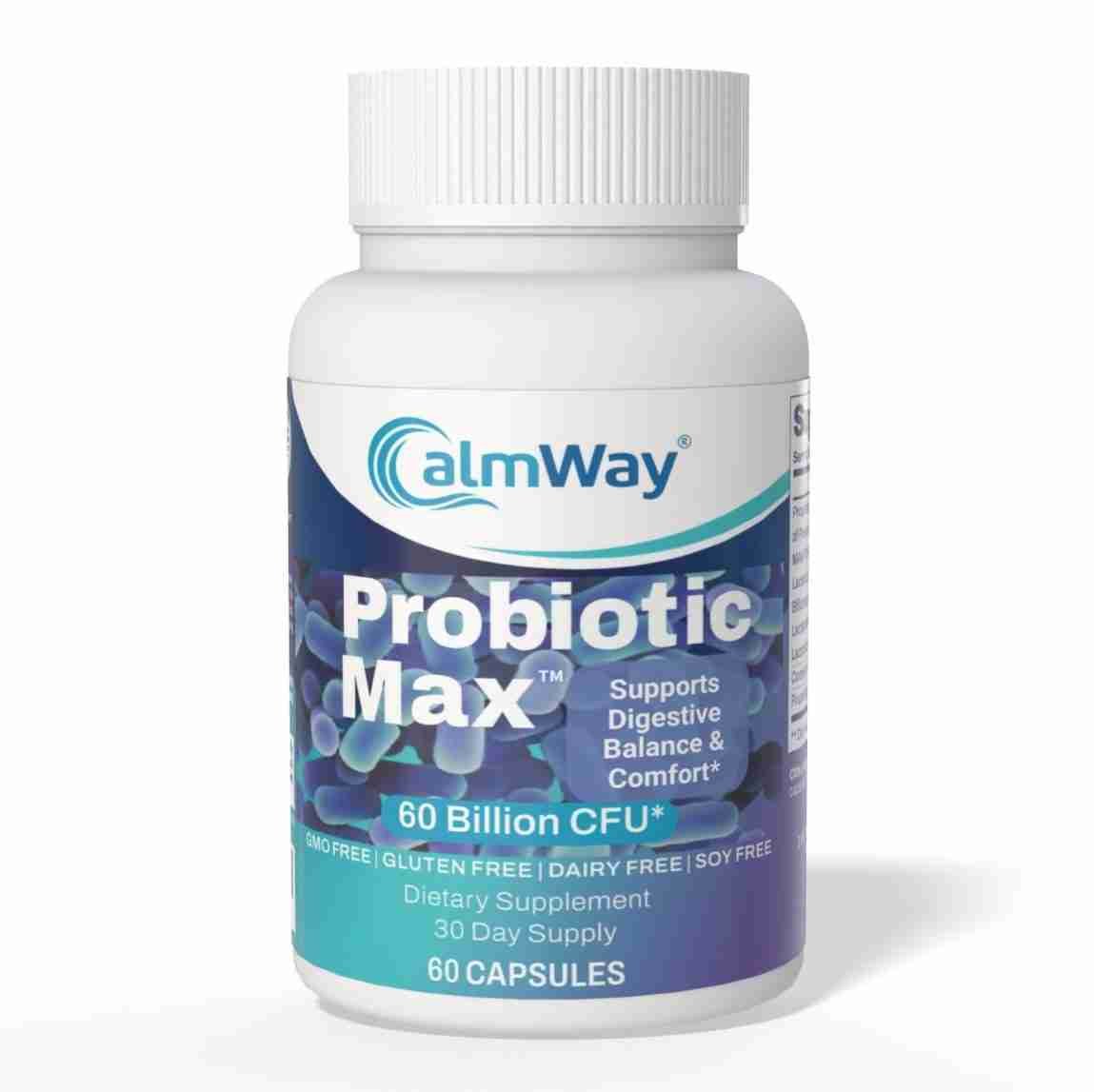


$19.99


$19.99
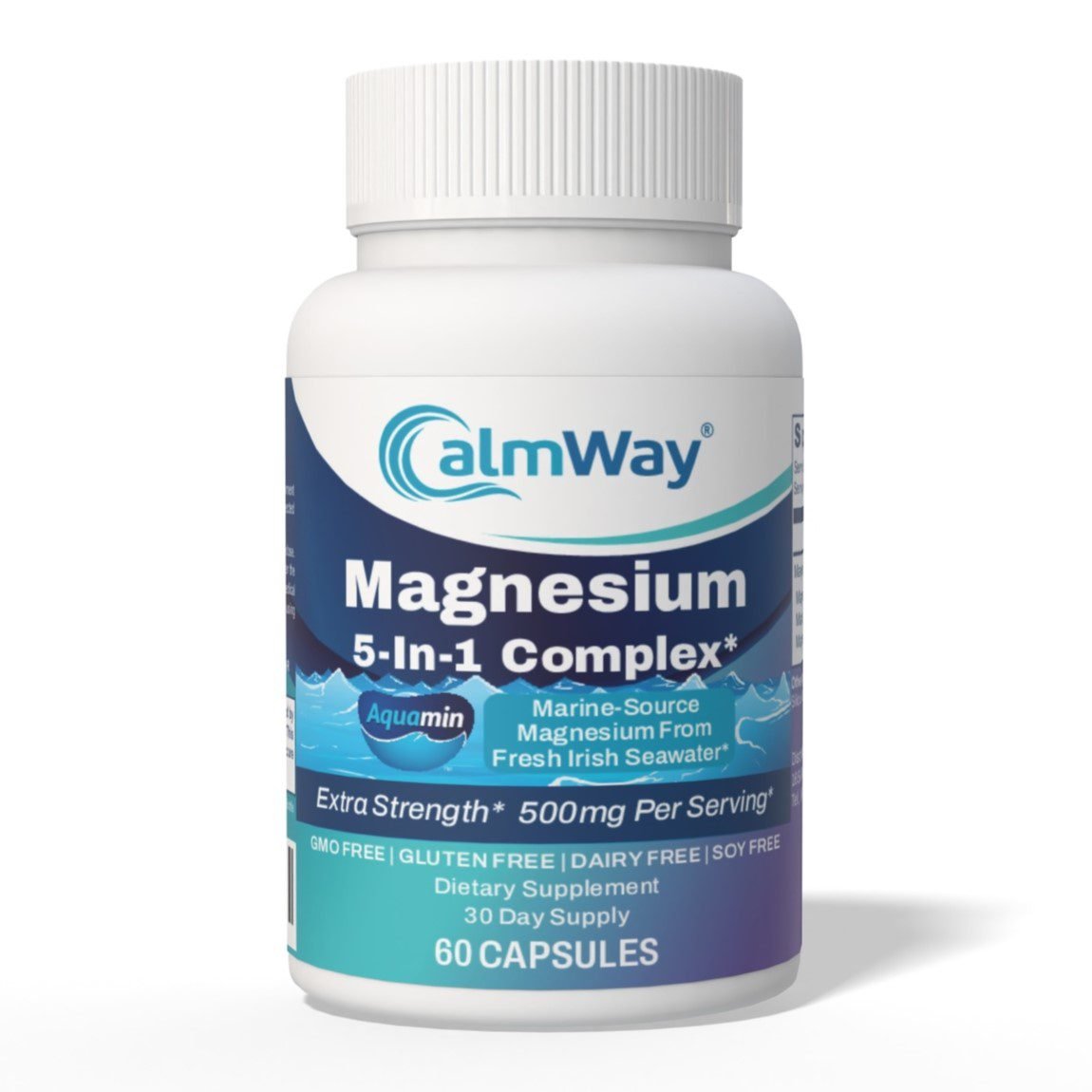
$23.99
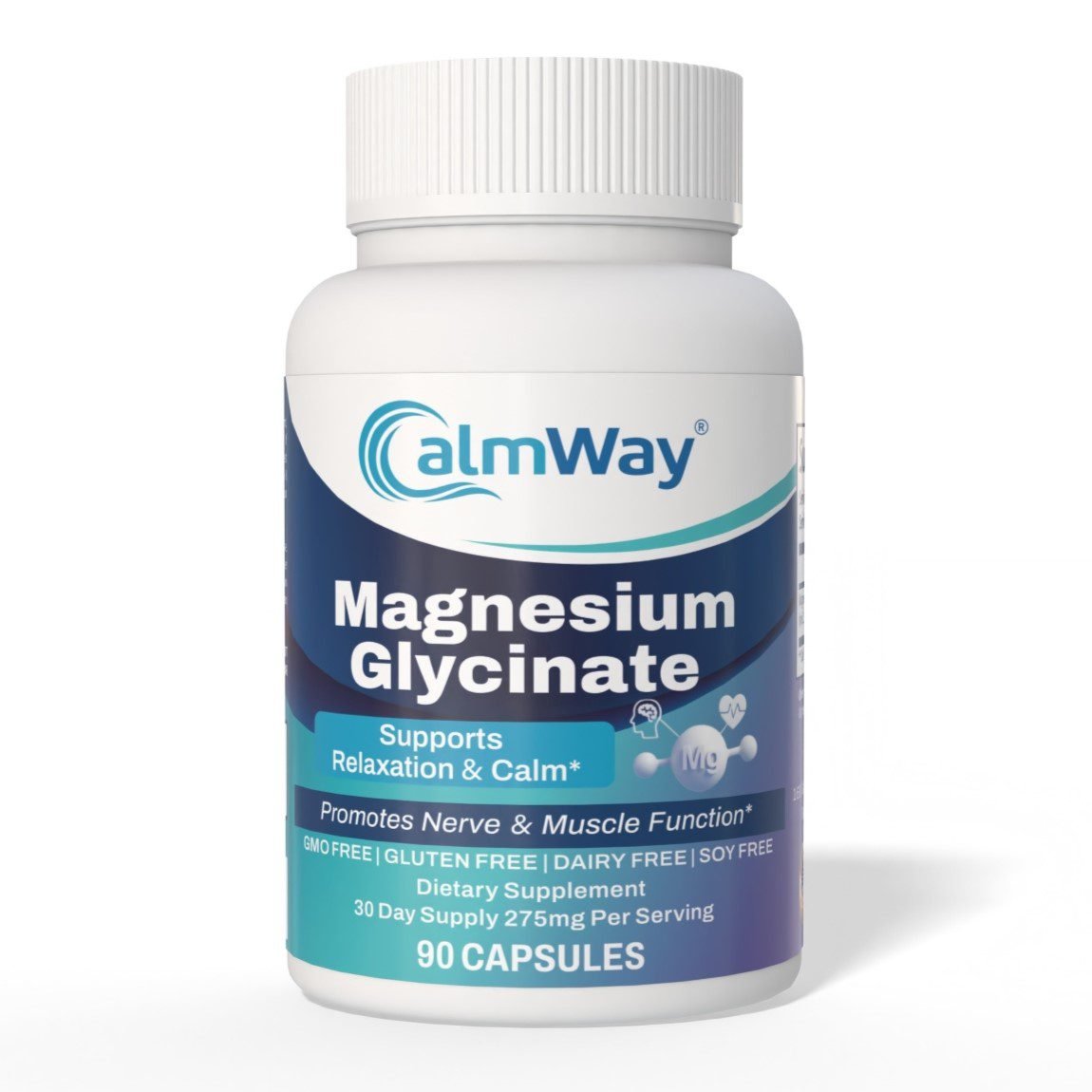
$23.99
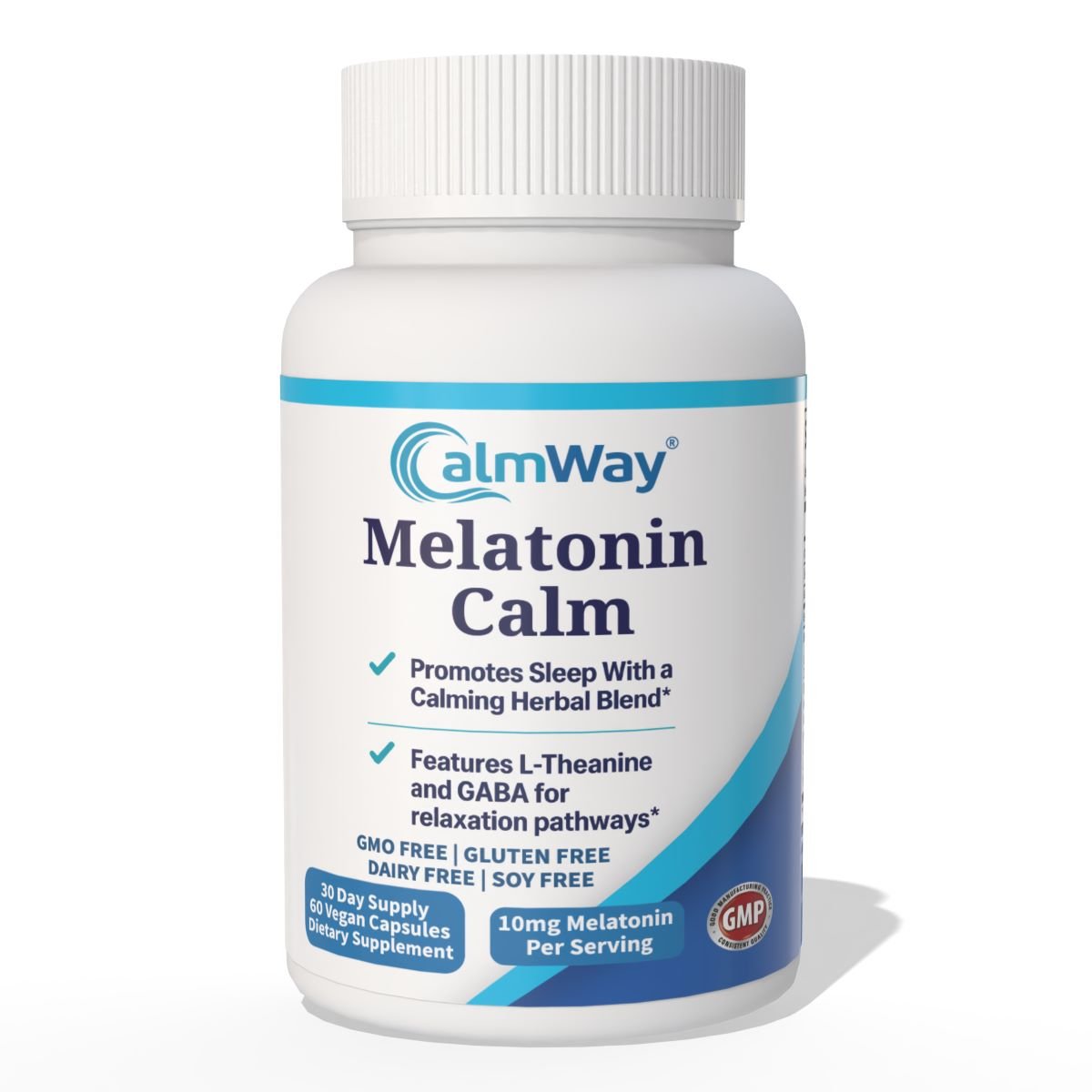
$19.99
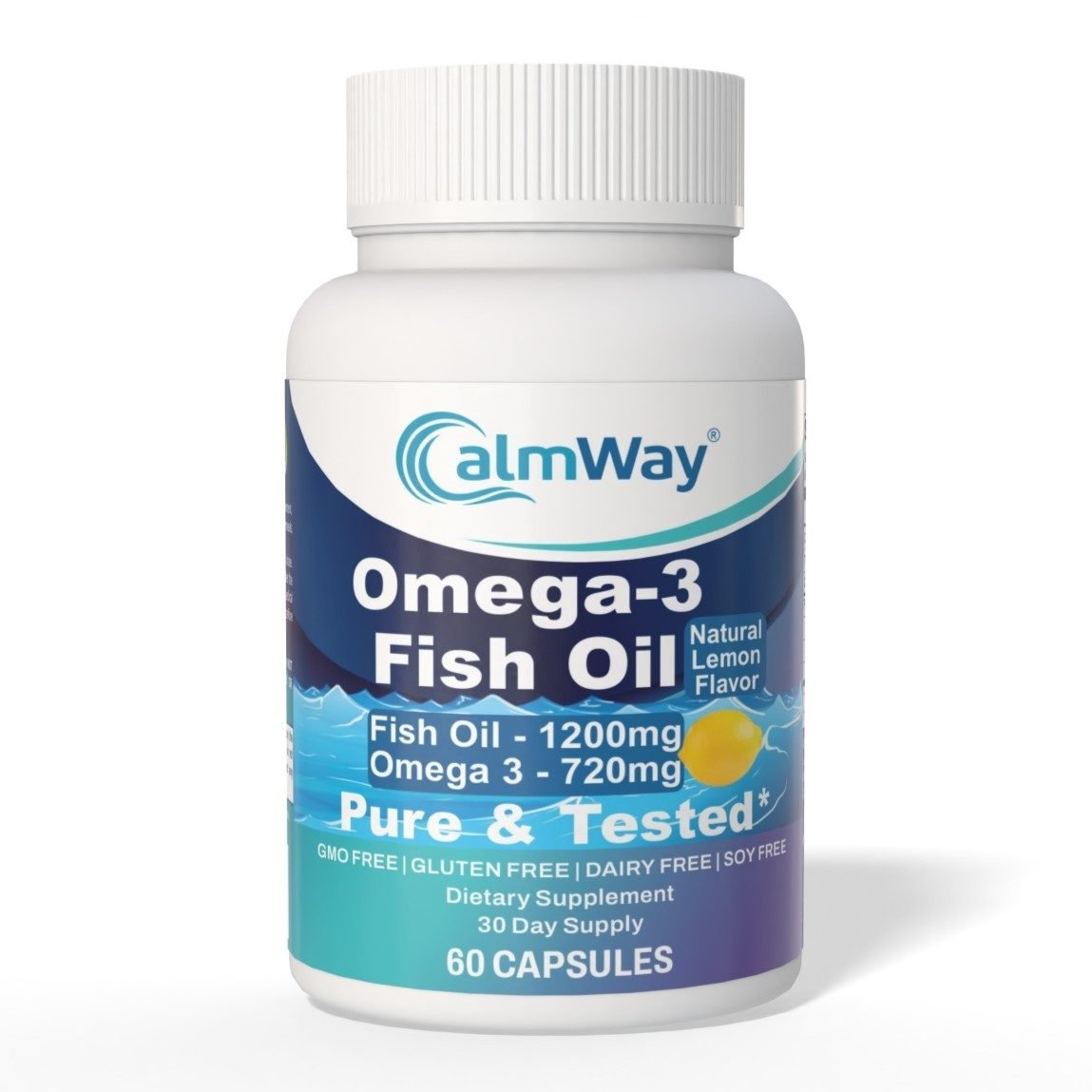
$19.99

Maintaining optimal energy levels and overall wellness is a constant challenge in today's fast-paced world, where stress, fatigue, and nutrient-depleted diets are common. One nutritional powerhouse that has gained increasing attention is Vitamin B-12, especially in its liquid complex drop form. More than just a remedy for fatigue, liquid B-12 complex drops are recognized for boosting energy, supporting neurological health, enhancing mood, and improving metabolic function. But what makes this form of B-12 supplementation so effective, and how can it transform your health?
Vitamin B-12, also known as cobalamin, is a water-soluble vitamin that plays a crucial role in red blood cell formation, DNA synthesis, neurological function, and energy production. It is naturally found in animal products such as meat, dairy, and eggs, but not in plant-based foods unless fortified, making supplementation essential for vegans and vegetarians (NIH, 2022).
The body does not produce B-12 on its own, and deficiency can lead to a range of health issues, including:
Fatigue and weakness
Anemia
Neurological impairments (e.g., memory loss, tingling in hands and feet)
Mood disturbances like depression
While B-12 is available in various forms, including pills, capsules, injections, and nasal sprays, liquid B-12 complex drops offer distinct advantages:
Liquid B-12 drops, particularly when administered sublingually (under the tongue), bypass the digestive system and are absorbed directly into the bloodstream. This is especially beneficial for individuals with digestive disorders or reduced stomach acid (common in older adults), who may struggle to absorb B-12 efficiently from food or pills (Watanabe & Bito, 2018).
Most liquid B-12 complex formulations blend other essential B vitamins, such as B6, B9 (folate), and B1 (thiamine). This synergy enhances the body's ability to convert food into energy and supports brain and nervous system function. B-complex synergy is particularly effective in supporting mental clarity, mood stability, and cardiovascular health (Kennedy, 2016).
Unlike caffeine or sugar-laden energy drinks, B-12 promotes natural energy production at the cellular level by aiding in the metabolism of carbohydrates, fats, and proteins. People experiencing fatigue often report noticeable improvements in energy and stamina after consistently using liquid B-12 complex drops (O’Leary & Samman, 2010).
Research supports the use of B-12 for various physiological benefits:
A study published in the American Journal of Clinical Nutrition found that higher B-12 levels were associated with improved cognitive function and reduced brain shrinkage in older adults (Smith et al., 2010).
Another clinical trial demonstrated that B-12 supplementation improved symptoms of depression in individuals already on antidepressants, indicating its role in mental wellness (Syed et al., 2013).
According to Harvard Health, B-12 is essential for preventing megaloblastic anemia, which causes tiredness and weakness due to insufficient red blood cell production (Harvard Health Publishing, 2020).
While B-12 is essential for everyone, certain groups are at greater risk of deficiency and may benefit significantly from supplementation with liquid drops:
Vegans and vegetarians (due to a lack of animal-based foods)
Older adults, who often have decreased stomach acid
People with gastrointestinal conditions like Crohn's disease or celiac disease
Pregnant and breastfeeding women, who have increased nutrient needs
Individuals on certain medications (e.g., metformin, proton pump inhibitors)
Another appealing factor is the ease of use. Typically, a few drops are placed under the tongue daily, held for 30 seconds, and then swallowed. This simple routine can be seamlessly integrated into your morning wellness ritual. However, it's always best to consult a healthcare provider for personalized dosing, especially for those with diagnosed deficiencies.
In a world where low energy and stress have become the norm, unlocking the benefits of liquid B-12 complex drops offers a safe, effective, and convenient way to restore vitality and support overall wellness. With superior absorption, synergistic B vitamins, and scientifically backed benefits for brain function, energy, and mood, it’s no surprise that this form of B-12 is gaining popularity among health-conscious individuals.
Whether you're managing a deficiency, looking to improve energy levels naturally, or simply aiming to support long-term brain and heart health, incorporating liquid B-12 complex drops into your daily routine could be a game-changing step toward wellness.
Harvard Health Publishing. (2020). Vitamin B12 deficiency can be sneaky, harmful. Harvard Medical School. Retrieved from https://www.health.harvard.edu
Kennedy, D. O. (2016). B Vitamins and the Brain: Mechanisms, Dose and Efficacy—A Review. Nutrients, 8(2), 68. https://doi.org/10.3390/nu8020068
National Institutes of Health (NIH). (2022). Vitamin B12 Fact Sheet for Consumers. Retrieved from https://ods.od.nih.gov/factsheets/VitaminB12-Consumer/
O’Leary, F., & Samman, S. (2010). Vitamin B12 in health and disease. Nutrients, 2(3), 299–316. https://doi.org/10.3390/nu2030299
Smith, A. D., Smith, S. M., de Jager, C. A., et al. (2010). Homocysteine-lowering by B vitamins slows the rate of accelerated brain atrophy in mild cognitive impairment: a randomized controlled trial. PLOS One, 5(9), e12244. https://doi.org/10.1371/journal.pone.0012244
Syed, E. U., Wasay, M., & Awan, S. (2013). Vitamin B12 supplementation in treating major depressive disorder: a randomized controlled trial. Open Neurol J, 7, 44–48. https://doi.org/10.2174/1874205X01307010044
Watanabe, F., & Bito, T. (2018). Vitamin B12 sources and microbial interaction. Experimental Biology and Medicine, 243(2), 148–158. https://doi.org/10.1177/1535370217746612


No account yet?
Create an Account