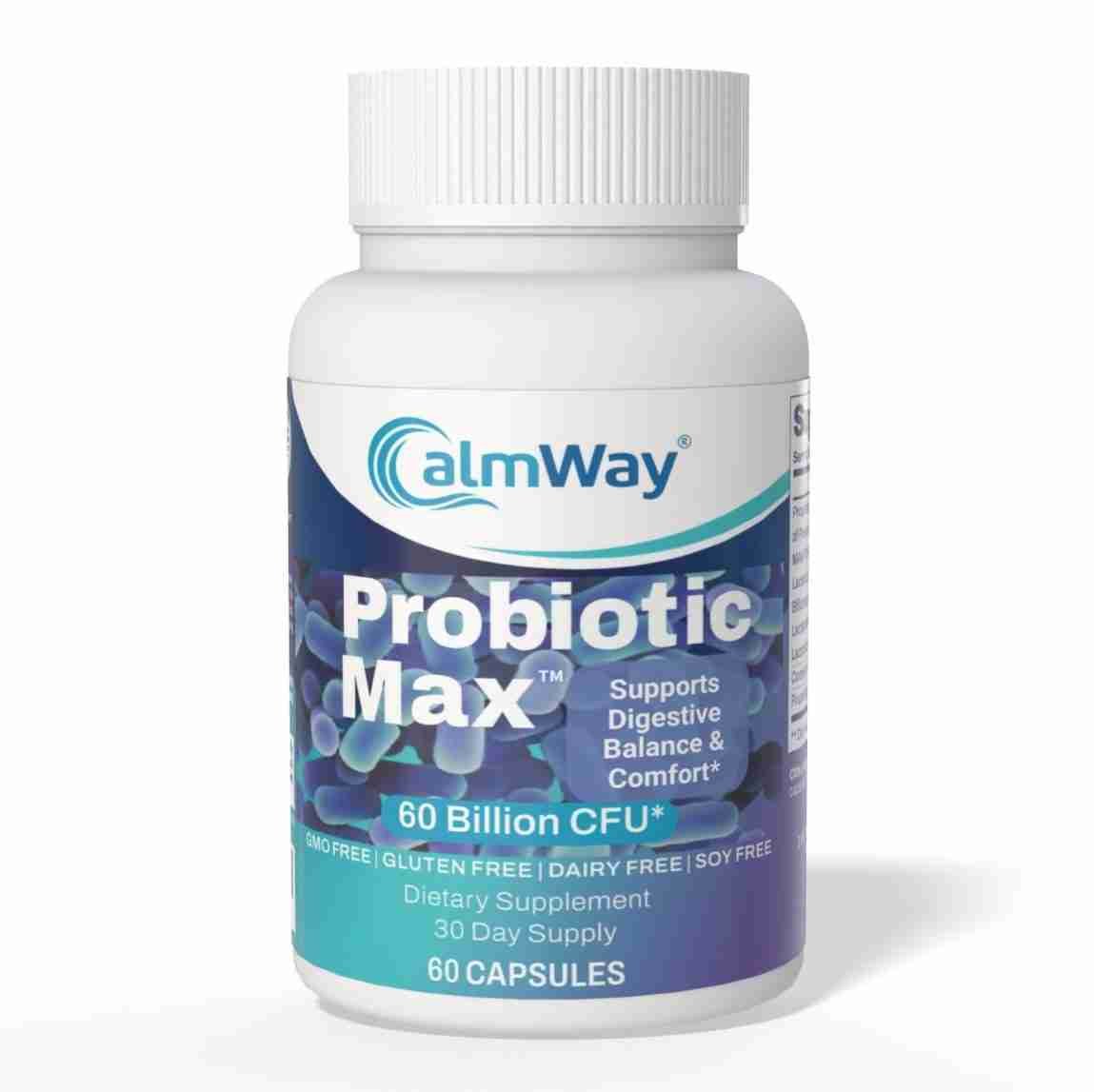


$19.99


$19.99
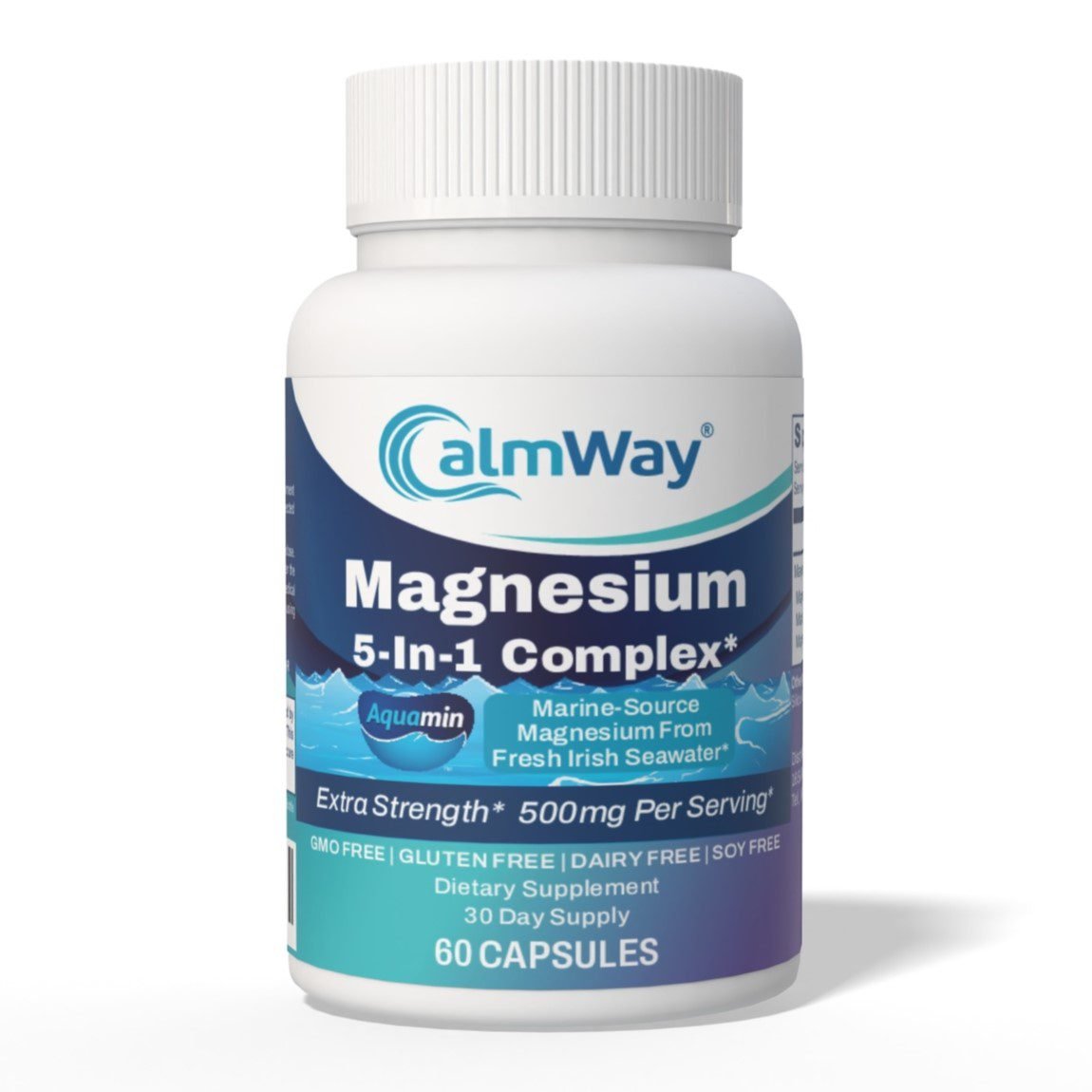
$23.99
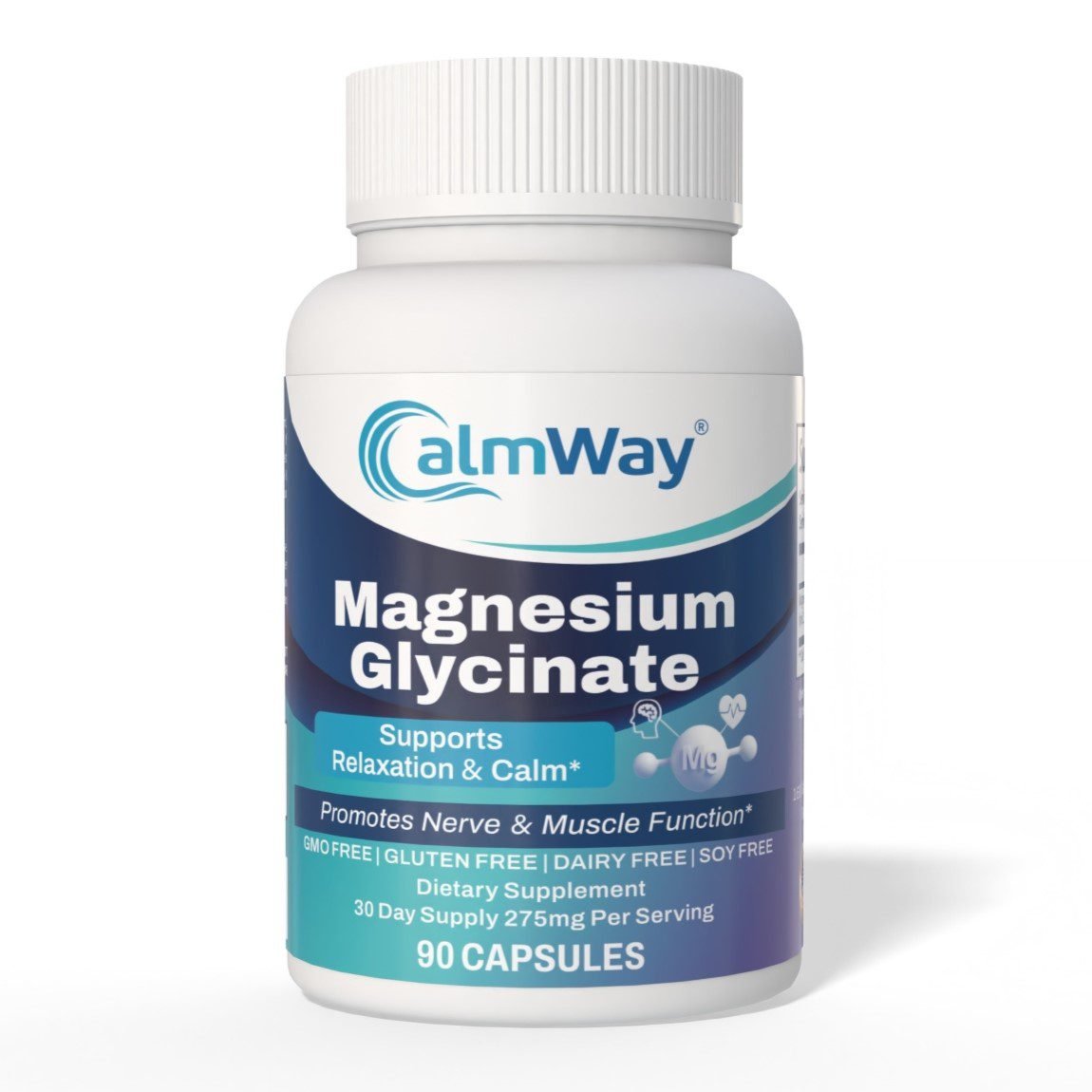
$23.99
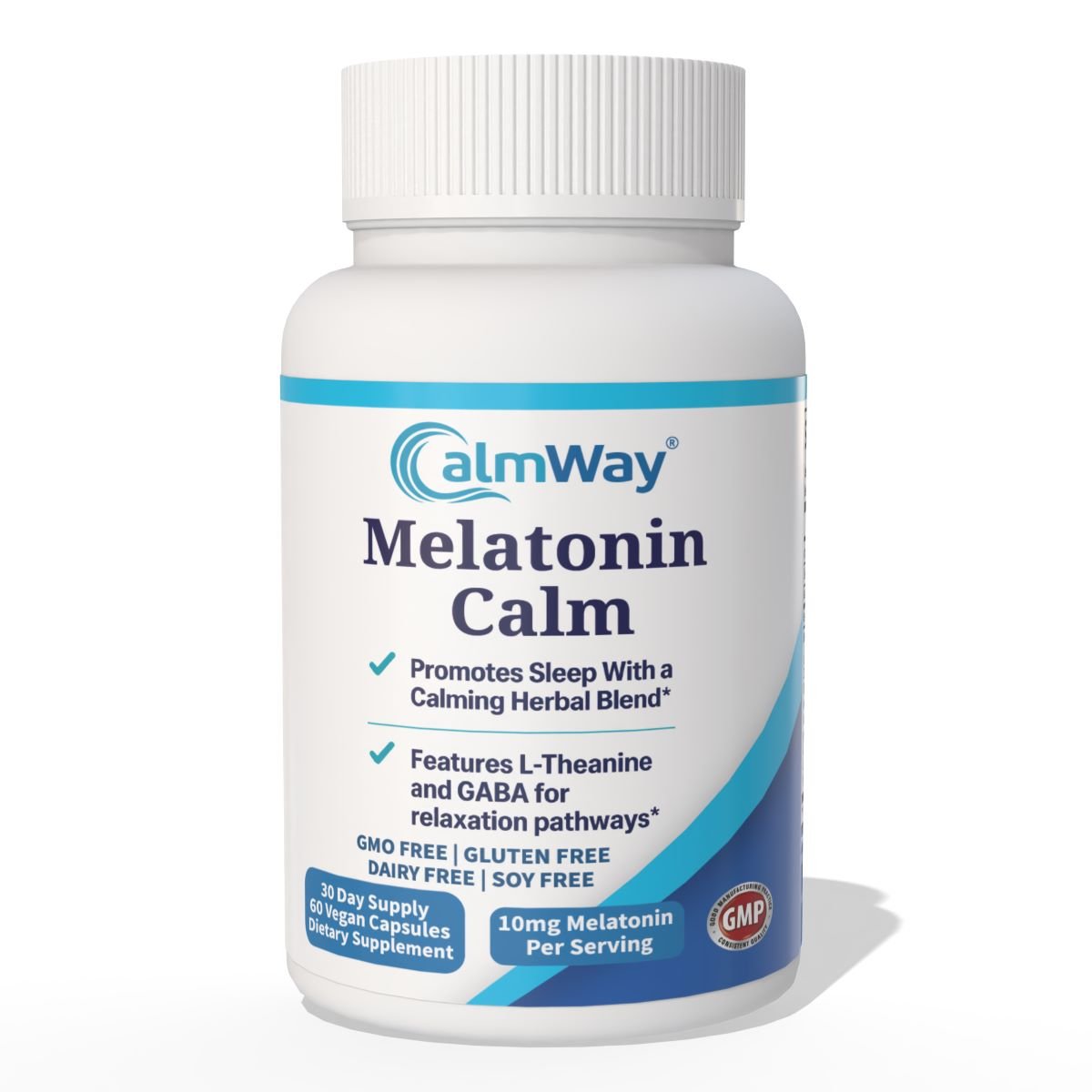
$19.99
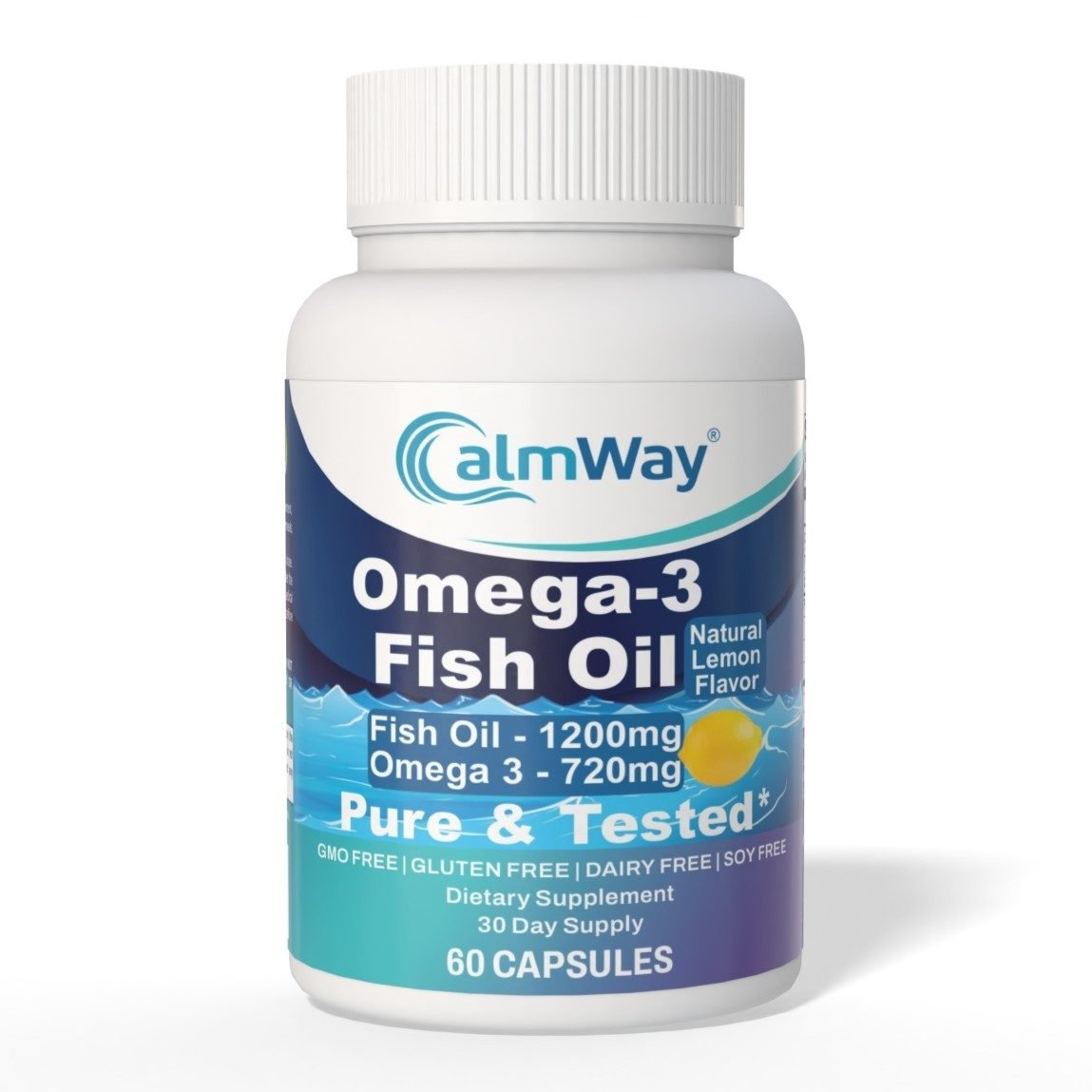
$19.99

Collagen peptides have gained significant attention recently, especially in the health, wellness, and beauty industries. Often marketed as a supplement for skin health, joint support, and muscle recovery, collagen peptides are hydrolyzed forms of collagen protein, which makes them more easily absorbed by the body. Backed by a growing body of scientific research, these bioactive peptides offer a range of health benefits that extend beyond cosmetic improvements.
Collagen is the most abundant protein in the human body, constituting about 30% of the total protein content. It is the primary component of connective tissues like skin, tendons, ligaments, and bones. Collagen peptides are produced by enzymatically breaking down collagen into smaller chains of amino acids, improving their bioavailability when consumed orally.
There are several types of collagen, but the most common are:
Most collagen supplements contain Type I and III, which are commonly sourced from bovine or marine collagen.
One of collagen peptides’ most researched and marketed benefits is their impact on skin health. Our natural collagen production declines as we age, leading to wrinkles, reduced elasticity, and dryness.
A 2014 double-blind, placebo-controlled study by Proksch et al. demonstrated that women who took 2.5–5 grams of collagen peptides daily for 8 weeks experienced significant improvements in skin elasticity and moisture compared to the placebo group1. Another randomized controlled trial showed collagen supplementation reduced wrinkles and increased dermal matrix synthesis2.
Mechanism of Action: Collagen peptides stimulate fibroblasts in the skin to produce more collagen and hyaluronic acid, improving hydration and structural integrity.
Collagen peptides also show promise in supporting joint health, particularly in individuals suffering from osteoarthritis or engaging in strenuous physical activity.
A 24-week study published in Current Medical Research and Opinion involved athletes supplementing with 10 grams of collagen hydrolysate daily. The results indicated reduced joint pain during activity compared to a placebo3.
Moreover, collagen supplementation may positively affect bone health. A 2018 randomized controlled trial found that postmenopausal women who took 5 grams of collagen peptides daily for 12 months showed increased bone mineral density and improved markers of bone formation4.
Mechanism of Action: Collagen provides the scaffolding for bones and cartilage, and its peptides may enhance chondrocyte activity and stimulate extracellular matrix production, supporting joint integrity.
Collagen peptides can improve muscle mass and strength, particularly when combined with resistance training. While collagen is not a complete protein (it lacks tryptophan), it is rich in glycine, proline, and hydroxyproline—amino acids crucial for connective tissue repair.
A 2015 study published in the British Journal of Nutrition examined elderly men with sarcopenia (age-related muscle loss) who consumed 15 grams of collagen peptides daily after resistance training. The study found greater fat-free mass and muscle strength increases in the collagen group compared to the placebo5.
Mechanism of Action: The peptides may help improve the structural integrity of muscle tissue and facilitate repair by stimulating anabolic processes.
Emerging evidence also suggests that collagen peptides may support gut health, particularly by maintaining the integrity of the intestinal barrier. Though research in this area is still developing, some studies indicate that glycine and glutamine—two amino acids abundant in collagen—help strengthen the gut lining and reduce inflammation.
Animal studies and anecdotal reports support that collagen peptides may benefit individuals with leaky gut syndrome or inflammatory bowel conditions6. However, more clinical research is needed to confirm these effects in humans.
In addition to skin, collagen is a critical component of hair and nails. Supplementation may enhance both strength and growth rates.
A 2017 study published in the Journal of Cosmetic Dermatology showed that collagen supplement participants experienced improved nail growth and reduced brittleness7.
Mechanism of Action: The increased availability of amino acids may improve keratin production, contributing to stronger nails and hair.
Although less widely studied, collagen peptides may also offer cardiovascular benefits. Type I and III collagens are crucial components of blood vessel walls. Weakening of vascular collagen can lead to arterial stiffness and aneurysms.
A small 2017 study found that collagen tripeptide supplementation improved arterial stiffness in healthy adults8. However, larger and longer-term studies are needed to draw definitive conclusions.
Collagen peptides are generally considered safe for consumption, with few reported side effects. Typical dosages in clinical studies range from 2.5 to 15 grams per day, depending on the desired health benefit. They are usually taken as a powder mixed with water, smoothies, or coffee.
Since collagen supplements are derived from animal sources, individuals with allergies or dietary restrictions should verify the origin (e.g., bovine, marine, porcine) before use.
Collagen peptides offer various health benefits, from improving skin elasticity and reducing wrinkles to supporting joint, bone, and muscle health. While not a panacea, regular supplementation, a balanced diet, and lifestyle may help mitigate some effects of aging and physical wear. As research continues, collagen peptides will likely remain a prominent component of functional nutrition and integrative health.


No account yet?
Create an Account