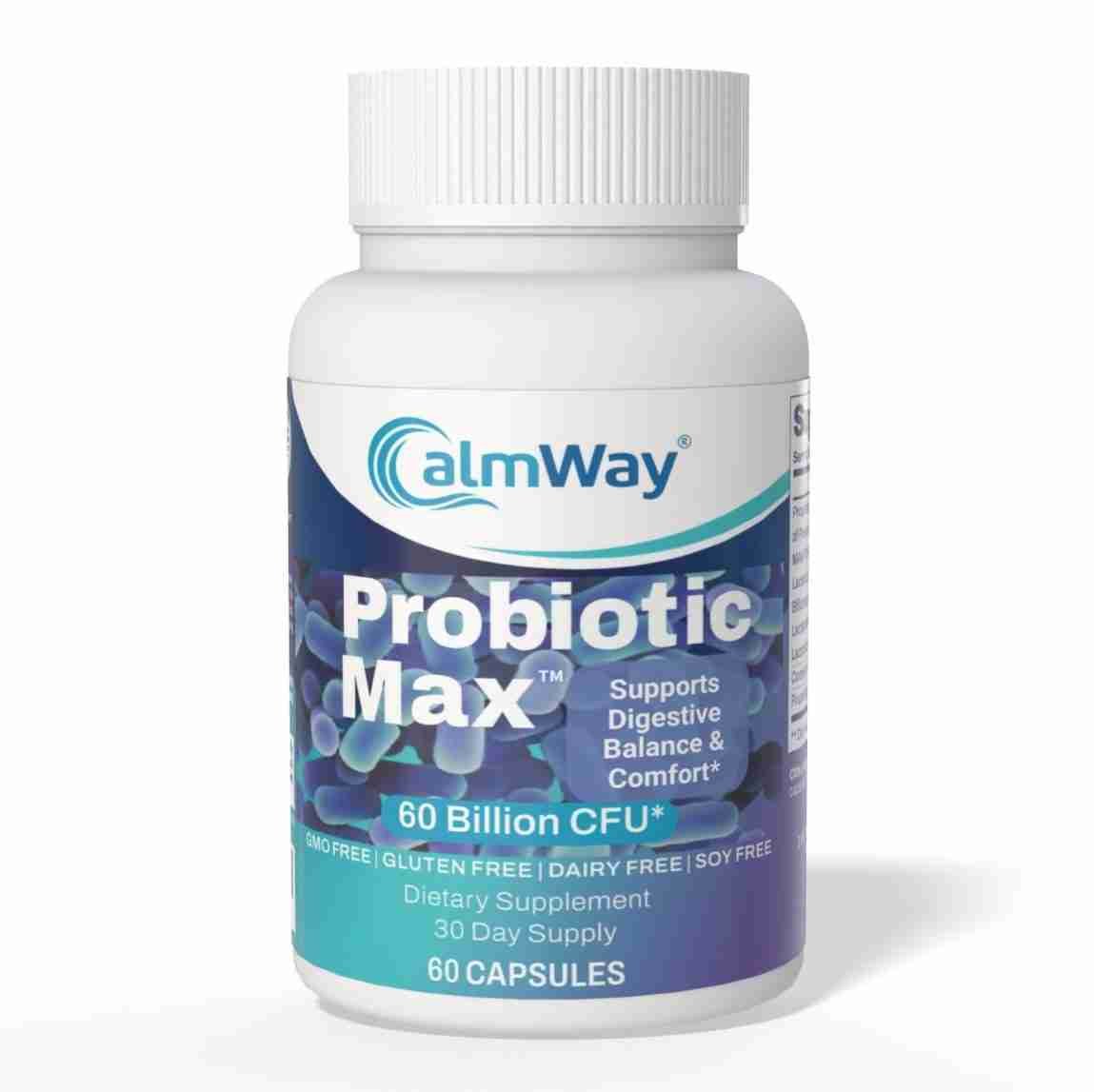


$19.99


$19.99
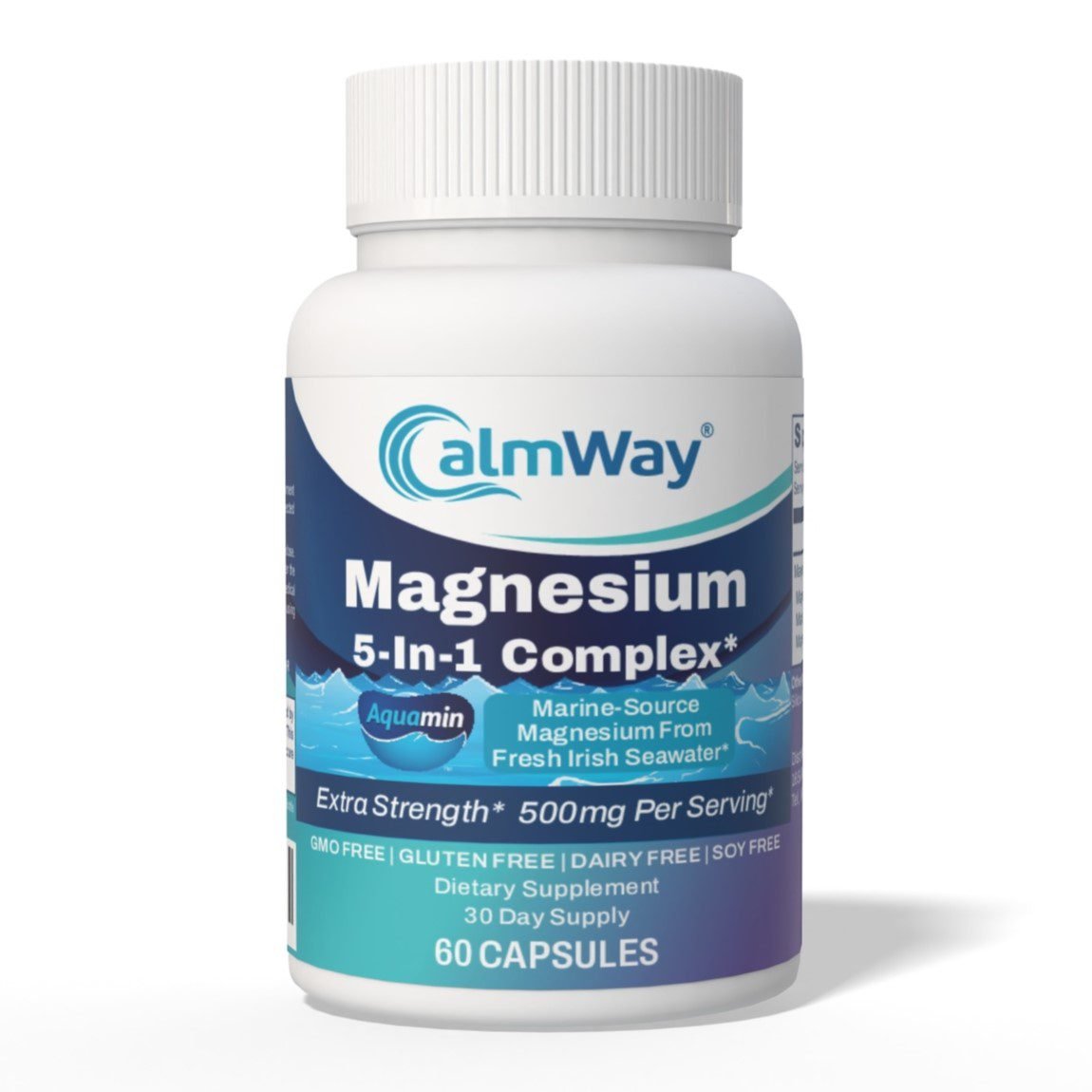
$23.99
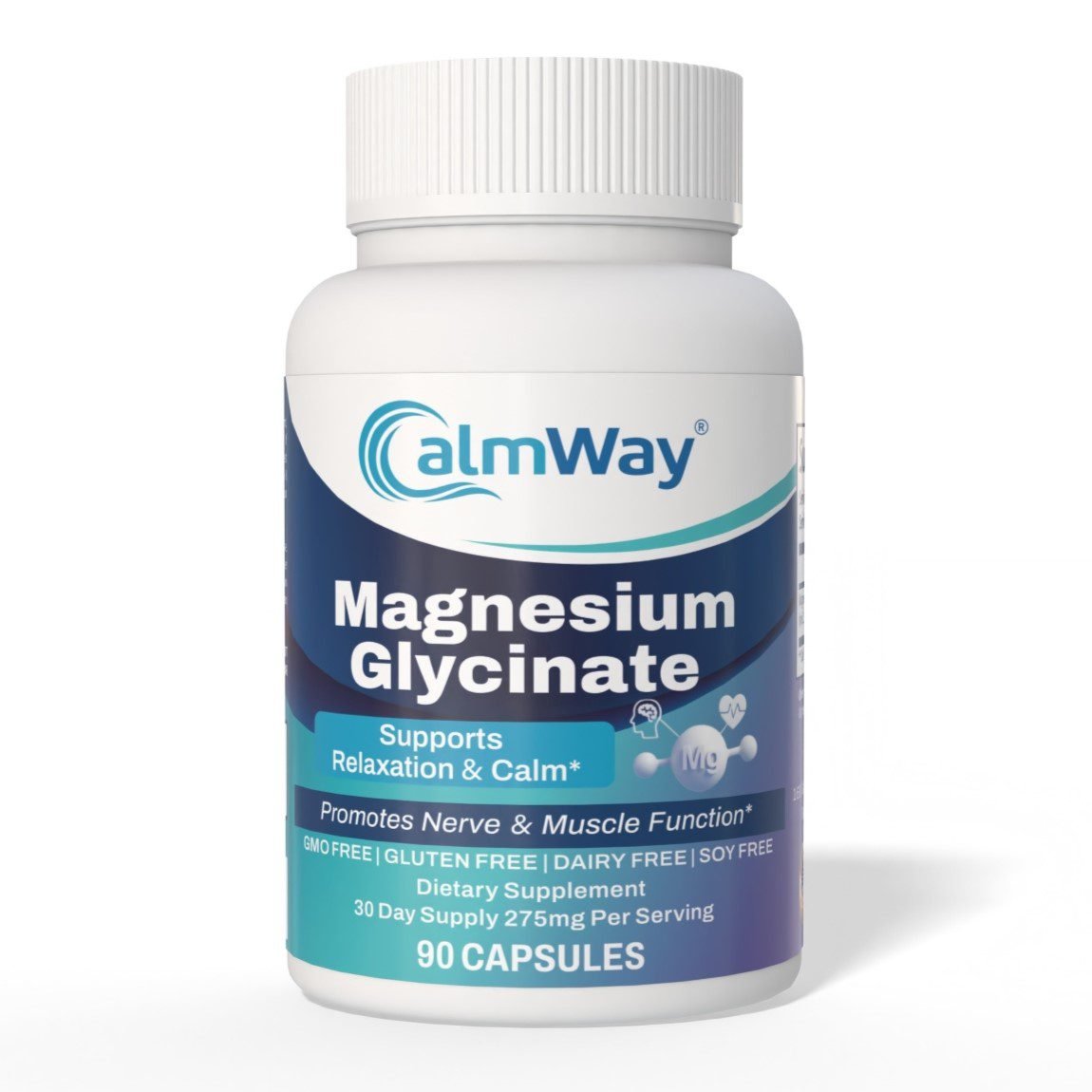
$23.99
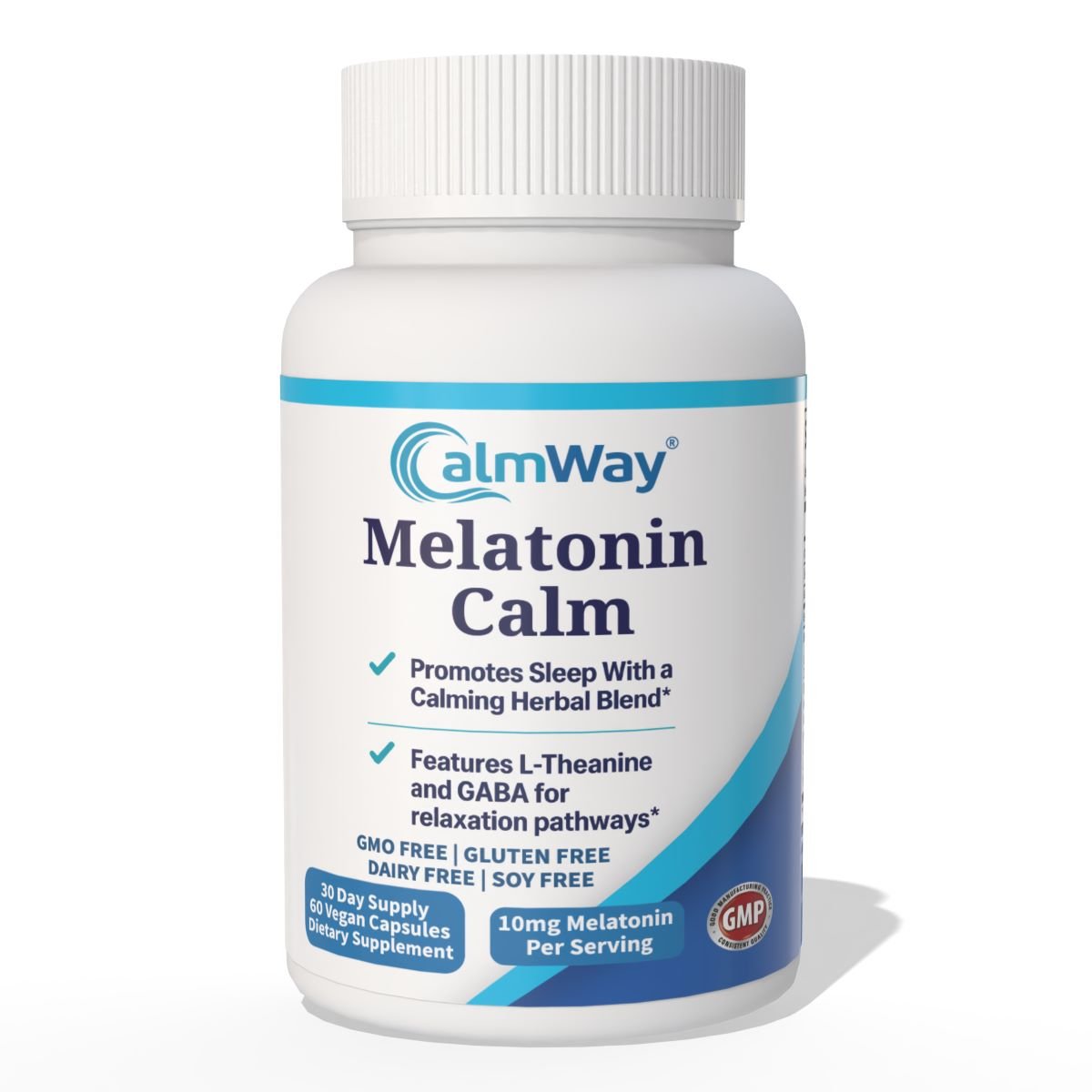
$19.99
$19.99
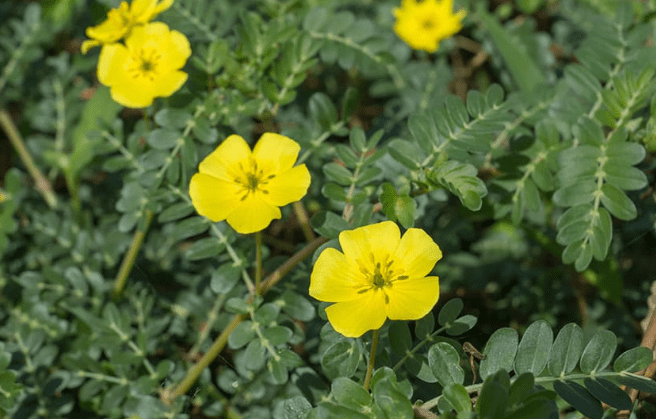
Tribulus terrestris, commonly called Tribulus, is a small leafy plant belonging to the Zygophyllaceae family. It has a long history of use in traditional medicine systems such as Ayurveda and Traditional Chinese Medicine, primarily for enhancing libido, vitality, and physical performance. In recent years, Tribulus has garnered attention in dietary supplements, particularly among athletes and bodybuilders. But what exactly is this plant, and what does the science say about its effectiveness?
Tribulus terrestris is native to warm temperate and tropical regions of Europe, Asia, Africa, and Australia. The plant grows low to the ground, producing small, yellow flowers and spiny fruits. The Latin name “terrestris” means “of the earth,” referencing the plant’s ground-hugging growth habit. Its fruit is covered with sharp spines, often causing injury to the hooves of grazing animals, hence the nickname “puncture vine.”
Tribulus has been used for centuries in Ayurvedic and Chinese medicine. In Ayurveda, it is known as Gokshura and has been traditionally used to treat urinary disorders, kidney problems, and sexual dysfunctions such as erectile dysfunction and low libido (1). In Chinese medicine, Tribulus is believed to support liver function and to treat conditions like eye inflammation and headaches.
The supposed health benefits of Tribulus are primarily attributed to its content of steroidal saponins, particularly protodioscin. Saponins are naturally occurring plant glycosides that are thought to have various biological effects, including hormonal regulation and anti-inflammatory properties. Tribulus also contains flavonoids, alkaloids, and glycosides, possibly contributing to its pharmacological effects (2).
Tribulus is commonly marketed as a dietary supplement for:
Many of these claims are based on the plant’s saponin content, which some believe may influence testosterone production. However, the evidence supporting these claims is mixed and often inconsistent.
Several studies have investigated the effects of Tribulus on sexual health. A 2014 study published in BioMed Research International found that Tribulus supplementation improved sexual desire in women with low libido, particularly in postmenopausal women (3). Another study involving men with erectile dysfunction reported improvements in sexual satisfaction and desire after taking Tribulus for three months (4).
Despite its popularity among athletes and bodybuilders, there is little consistent evidence that Tribulus boosts testosterone levels in healthy men. A 2005 study published in the Journal of Ethnopharmacology showed no significant increase in testosterone levels or muscle strength among young men after Tribulus supplementation (5). Other studies have echoed these results, suggesting that while Tribulus may improve sexual health markers, its effect on testosterone is limited.
Tribulus is often included in sports supplements, claiming to enhance strength and muscle mass. However, a 2000 study published in the International Journal of Sport Nutrition and Exercise Metabolism found no significant changes in body composition or performance in elite rugby players who took Tribulus (6).
Some animal studies suggest Tribulus may help reduce blood pressure and cholesterol levels, likely due to its antioxidant and vasodilatory effects (7). However, human data is sparse, and more rigorous clinical trials are needed to confirm these effects.
Tribulus is generally considered safe when taken in moderate doses for short periods. Common side effects are mild and may include stomach cramps, nausea, and diarrhea. Rare reports of more serious issues, such as liver toxicity and kidney damage, have been reported, although these are not well-documented (8).
Pregnant or breastfeeding women and individuals with hormone-sensitive conditions should avoid Tribulus due to its potential endocrine activity. As with any supplement, it’s advisable to consult a healthcare provider before starting Tribulus, especially when taking other medications.
Tribulus terrestris is a plant with a rich history in traditional medicine and a widespread reputation in modern supplement culture. While it may offer benefits for sexual health and possibly cardiovascular wellness, the scientific evidence does not strongly support claims that it significantly boosts testosterone or athletic performance. As with many herbal remedies, the effectiveness of Tribulus may vary based on individual factors, extract quality, and dosage.
Further high-quality research is necessary to understand better the full range of Tribulus’s effects and long-term safety. For now, it remains an interesting supplement but not a miracle solution.


No account yet?
Create an Account