



Blog
What Is Catuaba Bark And What Are It’s Benefits?

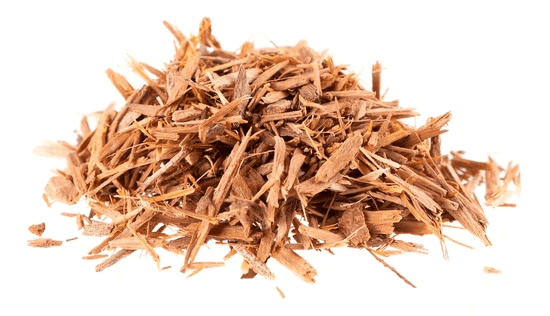
Catuaba is a traditional herbal remedy derived from the bark of several trees native to Brazil, most notably Erythroxylum catuaba, Trichilia catigua, and Anemopaegma arvense. Long used in Brazilian folk medicine, Catuaba bark is most commonly known as a natural aphrodisiac and nervous system stimulant. Indigenous Tupi-speaking tribes are credited with first discovering its properties, and the name “Catuaba” means “what gives strength to the Indian.”
Today, Catuaba is used in natural health circles for its potential to enhance sexual health, energy, mood, and cognitive performance. Though scientific research is still limited, emerging studies suggest the bark contains several bioactive compounds with promising therapeutic effects.
Traditional Uses
In Brazilian herbal medicine, Catuaba is often used to:
- Stimulate libido in men and women
- Treat sexual dysfunction and impotence
- Reduce fatigue and promote endurance
- Alleviate anxiety, depression, and insomnia
- Enhance memory and cognitive function
Catuaba is sometimes referred to as a “Brazilian Viagra”, though it acts more gently and naturally than pharmaceutical drugs. It is typically consumed as a tea or tincture, and is often found in blends with other adaptogenic or tonic herbs like Muira Puama.
Active Compounds
The chemical composition of Catuaba varies depending on the plant species used. Key bioactive compounds include:
- Alkaloids: Believed to contribute to its central nervous system (CNS) stimulating effects.
- Flavonoids: Known for their antioxidant and anti-inflammatory activity.
- Tannins and polyphenols: Support cardiovascular and immune health.
- Catuabine A, B, and C: Unique alkaloids identified in Erythroxylum catuaba that may influence sexual arousal and brain activity.
These compounds stimulate blood flow, protect neurons, and modulate neurotransmitters like dopamine and serotonin, helping explain many of Catuaba’s traditional uses.
Potential Health Benefits
1. Aphrodisiac and Sexual Health Support
Catuaba is best known for its use as an aphrodisiac, especially in men. Animal studies have shown that extracts of Trichilia catigua and Erythroxylum catuaba can enhance sexual arousal, erectile function, and performance.
A study published in Phytotherapy Research (2005) found that rats treated with Trichilia catigua extract exhibited increased sexual behavior, suggesting the bark’s potential to boost libido through central nervous system stimulation (Campos et al., 2005).
Although human studies are lacking, anecdotal and historical evidence strongly support its use in improving libido and sexual vitality.
2. Mood and Cognitive Function
Catuaba bark has been traditionally used to treat mild depression, stress, and fatigue. It appears to act as a mild stimulant, promoting alertness and mental clarity without the jittery effects of caffeine.
A preclinical study published in the Journal of Ethnopharmacology (2001) demonstrated that Trichilia catigua extract had antidepressant-like effects in mice, likely by increasing dopamine levels in the brain (Campos et al., 2001). This supports its traditional use as a nervine tonic for mood support.
3. Neuroprotective and Antioxidant Effects
Catuaba’s flavonoids and alkaloids may also protect neurons from oxidative damage, making it a potential candidate for brain health and cognitive longevity.
In a study published in Neurochemistry International (2004), Trichilia catigua extract prevented oxidative damage and improved memory in animal models, suggesting benefits for neuroprotection and cognitive enhancement (Mendes et al., 2004).
4. Antimicrobial and Anti-inflammatory Properties
Preliminary lab studies have shown that Catuaba extracts may have antibacterial and antiviral effects, including activity against Staphylococcus aureus and Herpes simplex virus (de Oliveira et al., 1997). While these findings are promising, they have not yet been verified in human clinical trials.
Dosage and Supplementation
Catuaba is available in several forms:
- Dried bark (for making teas or decoctions)
- Capsules and tablets
- Liquid tinctures or extracts
- Herbal blends
Typical dosages range from 500 to 1,000 mg daily in capsule form or 1–2 teaspoons of dried bark steeped in hot water. It’s often combined with other adaptogens or libido-enhancing herbs like Muira Puama, Maca, or Ginseng.
Safety and Side Effects
Catuaba is generally well-tolerated when used in moderation. Reported side effects are rare but may include:
- Mild insomnia (if taken late in the day)
- Increased heart rate or restlessness
- Allergic reaction in sensitive individuals
There is no known toxicity, but it’s advised not to exceed recommended dosages. People with heart conditions or taking stimulant medications should consult a healthcare provider before using Catuaba, as its mild CNS stimulation may interact with certain drugs.
It is also not recommended during pregnancy or breastfeeding due to a lack of safety data.
Conclusion
Catuaba bark is a time-honored herbal remedy from Brazil with a long-standing reputation as a natural aphrodisiac and cognitive enhancer. Backed by traditional use and early scientific studies, Catuaba may help improve sexual performance, reduce fatigue, boost mood, and protect brain health.
Although more human clinical research is needed, it remains a popular ingredient in natural libido boosters and nootropic supplements, valued for its stimulating yet balanced effects.
As with all herbal remedies, it’s wise to consult a healthcare practitioner before starting any new supplement, especially if you have pre-existing health conditions or are taking medications.
References
- Campos, M. M., et al. (2001). Antidepressant-like effects of Trichilia catigua (Catuaba) extract: evidence for dopaminergic-mediated mechanisms. Journal of Ethnopharmacology, 74(1), 123–129. https://doi.org/10.1016/S0378-8741(00)00353-4
- Campos, M. M., et al. (2005). Central nervous system activity of the crude extract and fractions of Trichilia catigua in rodents. Phytotherapy Research, 19(6), 519–524. https://doi.org/10.1002/ptr.1680
- Mendes, F. R., et al. (2004). Memory enhancing effect of Trichilia catigua extract in aging mice. Neurochemistry International, 44(5), 369–375. https://doi.org/10.1016/S0197-0186(03)00117-3


