



$19.99


$19.99

$23.99

$23.99

$19.99

$19.99
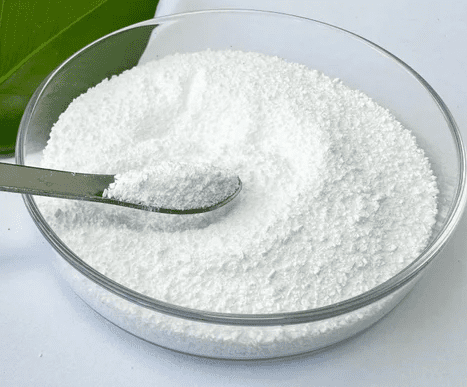
L-Arginine HCL (hydrochloride) is a salt form of the amino acid L-arginine, often used in dietary supplements for its enhanced stability, solubility, and absorption in the body. As a semi-essential amino acid, L-arginine is vital in numerous physiological functions, especially those involving the cardiovascular system, muscle growth, and immune function. Hydrochloride is commonly found in pre-workouts, nitric oxide boosters, and health supplements designed to support circulation, athletic performance, and erectile health.
L-arginine is one of the 20 amino acids involved in protein synthesis. While the body can synthesize it naturally, under certain conditions—like stress, trauma, or illness—it becomes conditionally essential, meaning it must be obtained from diet or supplements (1). Natural food sources of L-arginine include turkey, chicken, peanuts, soybeans, and dairy products.
The hydrochloride (HCL) salt of L-arginine is created by binding L-arginine with hydrochloric acid. This results in a more stable and water-soluble compound, making it easier for the body to absorb and use (2). It’s beneficial in oral supplements and powder formulations, where bioavailability is critical.
L-Arginine HCL functions in several important ways:
L-Arginine HCL is best known for its ability to increase nitric oxide production and improve circulation. This has implications for:
A meta-analysis published in the American Heart Journal concluded that oral L-arginine supplementation led to modest reductions in systolic and diastolic blood pressure in people with high blood pressure (4).
Because of its vasodilatory effects, L-Arginine HCL is a common ingredient in pre-workout supplements. By improving blood flow, it enhances oxygen and nutrient delivery to muscles, which may:
Some studies suggest that L-arginine can increase exercise capacity, especially in less-trained individuals. However, results are mixed, and benefits may depend on individual health status and dosage (5).
Improved blood flow from increased nitric oxide also supports erectile function. L-Arginine is frequently studied as a natural alternative or complement to pharmaceuticals like sildenafil (Viagra).
A double-blind, placebo-controlled study published in BJU International showed that men with ED who took L-arginine saw improved sexual function, especially those with low baseline nitric oxide levels (6).
L-Arginine plays a role in collagen synthesis and immune function, benefiting wound healing and post-surgical recovery. Clinical studies have shown faster healing times in patients given L-arginine-enriched nutritional supplements (7).
L-Arginine supports the proliferation and activity of immune cells. It’s significant for individuals undergoing trauma, sepsis, or chronic illness, where the immune system may be compromised (8).
L-Arginine HCL supplements are typically available as:
Typical daily dosages range from 2 to 6 grams, depending on the goal (e.g., cardiovascular support, exercise enhancement, or ED treatment). Some clinical trials use doses up to 9 grams daily, often split into multiple servings.
L-Arginine HCL is generally well tolerated, but high doses may lead to:
It should be used cautiously in individuals with:
Always consult a healthcare provider before starting L-arginine supplementation, especially if taking medications or managing chronic health conditions.
In addition to HCL, other forms of arginine include:
The HCL form balances bioavailability, stability, and digestive tolerance, making it a preferred choice for many.
L-Arginine HCL is a versatile amino acid supplement that strongly supports cardiovascular health, athletic performance, immune function, and sexual wellness. Its ability to boost nitric oxide makes it particularly valuable for improving blood flow and physical function. While generally safe, appropriate dosing and medical guidance are key to maximizing benefits while minimizing risks.


No account yet?
Create an Account


