



$19.99


$19.99

$23.99

$23.99

$19.99

$19.99
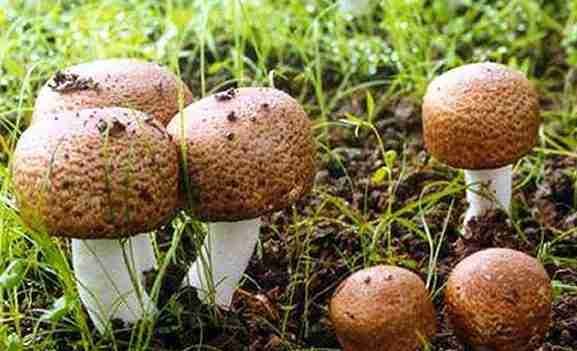
Royal Sun Agaricus mushrooms, scientifically known as Agaricus blazei Murill (ABM), are a species of medicinal mushroom discovered initially in the coastal Piedade region of São Paulo, Brazil. Also known by various names, including Himematsutake (in Japan), Cogumelo do Sol (in Brazil), and Mushroom of the Sun, ABM is highly valued for its purported health-promoting properties. This mushroom has been traditionally used for its immune-boosting, anti-inflammatory, and anti-tumor benefits, and modern science is beginning to validate many of these claims through ongoing research.
Royal Sun Agaricus is a member of the Agaricaceae family, which includes many well-known edible mushrooms. Morphologically, it resembles the common white button mushroom (Agaricus bisporus) but grows larger and has a thicker stem and broader cap, often measuring 10–20 cm in diameter. It features a white to light brown color, with a mild, sweet almond-like aroma due to the presence of benzaldehyde.
Native to Brazil, ABM thrives in warm and humid climates. Today, it is cultivated globally, especially in Japan, China, and the United States, and is available in various forms such as dried mushrooms, powders, extracts, and capsules.
In its native Brazil, ABM was consumed as both a food and a folk remedy by rural populations who noticed a lower incidence of chronic illnesses and cancer in mushroom-consuming communities. This observation drew the attention of Japanese researchers in the 1960s, leading to the cultivation and scientific study of the mushroom in Japan under the name Himematsutake, which translates to “Princess Matsutake,” referencing its esteemed status.
Since then, Agaricus blazei Murill has become a popular functional food and dietary supplement worldwide, especially in integrative and complementary medicine.
Royal Sun Agaricus is rich in bioactive compounds believed to contribute to its medicinal effects:
The combination of these bioactive substances positions ABM as a potent natural therapy with wide-ranging health implications (Hetland et al., 2011).
One of the most significant benefits of Agaricus blazei is its impact on immune health. Beta-glucans in the mushroom stimulate macrophages, dendritic cells, and natural killer (NK) cells—key components of the body’s immune response. A study by Hetland et al. (2008) found that ABM extracts significantly increased cytokine production in mice, indicating enhanced immune activity.
In humans, preliminary studies suggest ABM may benefit individuals with compromised immunity. For example, patients undergoing chemotherapy reported improved quality of life and reduced infection rates when supplementing with ABM (Ahn et al., 2004).
Several in vitro and animal studies have shown that Agaricus blazei possesses anti-tumor activity, particularly through immune-mediated mechanisms. Beta-glucans activate immune cells that attack tumor cells, while other components, like ergosterol, may inhibit tumor growth directly.
A Japanese clinical study observed that ABM supplementation helped reduce side effects and improve immune function in cancer patients receiving chemotherapy (Itoh et al., 1994). However, more rigorous, large-scale human trials are needed to confirm these findings and establish clinical recommendations.
ABM also exhibits potent anti-inflammatory and antioxidant effects. These properties are believed to help reduce oxidative stress and inflammation, which are linked to chronic conditions such as cardiovascular disease, diabetes, and neurodegenerative disorders. In animal models, ABM extract reduced markers of inflammation and oxidative damage in various tissues (Kim et al., 2005).
Some studies suggest that ABM may help regulate blood glucose and lipid levels. A trial in diabetic rats showed that ABM extract improved insulin sensitivity and lowered blood glucose and cholesterol levels (Dai et al., 2013). While these results are promising, human trials are limited, and more research is needed to evaluate long-term efficacy and safety.
ABM is generally considered safe when consumed in moderate amounts. However, some concerns have been raised about the presence of agaritine, a naturally occurring hydrazine compound found in some Agaricus species. Agaritine has shown mutagenic effects in animal studies at high doses, but its impact on human health at dietary levels remains uncertain. Most commercial extracts remove or significantly reduce agaritine content to enhance safety (Shibata et al., 2007).
As with any supplement, individuals with immune disorders, allergies to mushrooms, or those on medication should consult a healthcare provider before use.
Royal Sun Agaricus mushrooms are an intriguing and powerful member of the medicinal mushroom family. With a growing body of research supporting their immune-boosting, anti-tumor, and anti-inflammatory properties, they offer significant promise as a natural supplement for promoting health and managing chronic conditions. Though more clinical research is necessary to validate some of the claimed benefits, the evidence so far suggests that ABM is a valuable functional food with broad therapeutic potential.


No account yet?
Create an Account


