



Blog
What Is Juniper (Fruit) And What Are It’s Benefits?

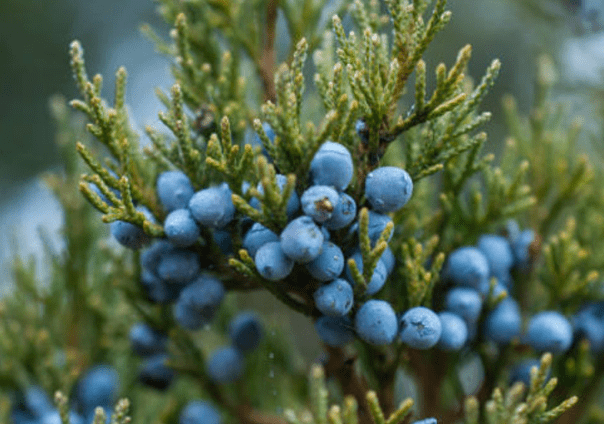
Juniper fruit, commonly known as juniper berry, is not a true berry but the seed cone of the Juniperus plant—a type of evergreen shrub or tree in the cypress family (Cupressaceae). The most commonly used species for culinary and medicinal purposes is Juniperus communis, native to parts of Europe, Asia, and North America. Recognizable by their distinctive blue-black color and sharp, piney aroma, juniper berries have been valued for centuries for their flavor, medicinal properties, and ritual significance.
Botanical Profile
Juniper berries are the female seed cones of the Juniperus plant. Unlike typical conifers that produce woody cones, juniper cones are fleshy and berry-like, taking about 18 months to mature. They start green and gradually darken to a deep purple-blue when ripe.
There are over 60 species of Juniperus, but J. communis is the only one whose fruit is widely used in cooking and herbal medicine. The plant is hardy and can thrive in various climates, including alpine and arid environments.
Culinary Use
Perhaps the most well-known use of juniper berries is in flavoring gin. The word “gin” is derived from the French genièvre or the Dutch jenever, both of which mean juniper. In gin production, juniper is the primary botanical used to give the spirit its distinctive piney flavor.
Dried juniper berries are used as a spice in the kitchen, particularly in European cuisine. They pair well with game meats like venison, lamb, and duck and are often included in marinades, sauerkraut, and hearty stews. Their flavor is resinous, peppery, and slightly citrusy, enhancing savory dishes with complexity.
Traditional and Medicinal Use
Juniper berries have a long history of medicinal use, dating back to ancient Egypt and Greece. Hippocrates is said to have recommended them as a diuretic, and they were used during medieval times to ward off infection and purify the air during plague outbreaks.
Native American tribes used juniper berries, from treating colds to making ceremonial teas. The berries were also burned as incense to cleanse spiritual spaces and repel evil spirits.
Health Benefits and Bioactive Compounds
Juniper berries are rich in bioactive compounds that contribute to their medicinal properties. These include:
- Essential oils (alpha-pinene, myrcene, sabinene): Responsible for their pungent aroma and antimicrobial activity.
- Flavonoids and polyphenols: Plant-based antioxidants that reduce inflammation and oxidative stress.
- Terpenes: Natural compounds that may offer anti-inflammatory and anticancer benefits.
1. Antimicrobial Activity
Several studies have shown that juniper essential oil and extracts possess antimicrobial properties against various bacteria and fungi, including Staphylococcus aureus and Candida albicans [1]. This supports its traditional use for infections and wound cleansing.
2. Anti-Inflammatory and Antioxidant Effects
Juniper berries are a rich source of antioxidants, which combat oxidative stress linked to aging and chronic disease. In animal studies, juniper extract has been shown to reduce inflammation and lipid peroxidation, suggesting a protective effect on the liver and other organs [2].
3. Digestive Support
Traditionally, juniper berries have been used to stimulate digestion. They may promote bile production and act as a mild carminative, reducing bloating and gas. Some herbalists recommend juniper as a digestive tonic, especially after heavy meals [3].
4. Diuretic Properties
Juniper acts as a natural diuretic, increasing urine output and helping to flush the kidneys and bladder. This effect has made it a popular remedy for urinary tract infections (UTIs) and water retention, though prolonged use is not recommended due to potential kidney irritation [4].
5. Blood Sugar Regulation
Preliminary animal studies suggest that juniper berry extract may help lower blood sugar levels, making it of interest for managing diabetes. A 2004 study published in Phytotherapy Research found that juniper extract had hypoglycemic effects in diabetic rats [5], though more human research is needed.
Forms and Usage
Juniper berries are available in several forms:
- Whole dried berries: Used in cooking or steeped as tea.
- Powdered berries: Used in supplements or spice blends.
- Tinctures and extracts: Concentrated herbal preparations for medicinal use.
- Essential oils: Used aromatically or topically (diluted).
The typical dosage for internal use varies depending on the form, but overuse should be avoided, especially in people with kidney issues.
Safety and Precautions
Juniper is generally safe when used in moderation, but high doses or prolonged use may lead to side effects such as:
- Kidney irritation or damage
- Gastrointestinal upset
- Skin irritation when applied topically in undiluted form
Pregnant women should avoid juniper, as it may stimulate uterine contractions. People with kidney disease, epilepsy, or those taking diuretics or blood sugar medications should consult a healthcare provider before using juniper medicinally.
Environmental and Sustainability Considerations
Although J. communis is widespread and not considered endangered, some regional populations are threatened by habitat loss, climate change, and overharvesting. Sustainable sourcing and wildcrafting practices are essential for preserving this valuable medicinal plant for future generations.
Conclusion
Juniper berries are more than just a spice—they are potent natural remedies with a legacy that spans millennia. Whether enhancing the flavor of game meats, crafting a complex gin, or providing relief for minor health issues, juniper’s unique properties continue to be appreciated in culinary and medicinal traditions. All herbal products should be used thoughtfully and with respect for both personal health and ecological impact.
References
- Dorman, H. J. D., & Deans, S. G. (2000). “Antimicrobial agents from plants: antibacterial activity of plant volatile oils.” Journal of Applied Microbiology, 88(2), 308–316.
- Al-Dabbas, M. M. (2006). “Antioxidant activity of juniper berries extract.” Pakistan Journal of Nutrition, 5(6), 531–533.
- Blumenthal, M. (2000). Herbal Medicine: Expanded Commission E Monographs. American Botanical Council.
- Newall, C. A., Anderson, L. A., & Phillipson, J. D. (1996). Herbal Medicines: A Guide for Health-care Professionals. Pharmaceutical Press.
- Ahmed, M., et al. (2004). “Hypoglycemic activity of Juniperus communis in normal and alloxan-diabetic rabbits.” Phytotherapy Research, 18(7), 537–540.


