



Blog
What Are Soursop Leaves And What Are Their Benefits?

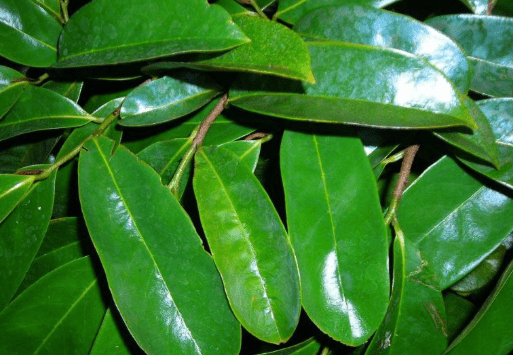
Soursop leaves come from the soursop tree (Annona muricata), a tropical fruit tree native to the Americas, particularly in the Caribbean, Central America, and parts of South America. The tree is well known for its large, green, spiny fruits with a deliciously tangy pulp. However, the soursop tree leaves have gained attention worldwide for their potential medicinal properties and health benefits.
Botanical Background
Soursop (Annona muricata) belongs to the Annonaceae family, which also includes other fruit-bearing trees like cherimoya and pawpaw. The tree grows up to 8 meters tall and produces shiny, dark green leaves that are oval-shaped, smooth, and about 8–16 cm long.
The leaves have traditionally been used in folk medicine across tropical regions, often as teas or poultices, to address a variety of ailments. Their pharmacological potential has spurred scientific research in recent decades, especially regarding their antioxidant, anti-inflammatory, and anticancer activities.
Traditional Uses of Soursop Leaves
Historically, soursop leaves have been used in various cultures for their purported therapeutic effects:
- Fever reduction: A tea brewed from the leaves is used as a natural antipyretic.
- Pain relief: Topical applications of crushed leaves are applied to reduce pain and inflammation.
- Parasite treatment: In some cultures, soursop leaf extracts are used to treat parasitic infections.
- Diabetes management: Traditional healers have used soursop leaf tea to help regulate blood sugar levels.
- Cancer support: Folk medicine in the Caribbean and Latin America has used soursop leaves as a complementary therapy in cancer treatment.
Chemical Composition
Soursop leaves contain a rich array of bioactive compounds, including:
- Acetogenins: Unique compounds to the Annonaceae family, noted for their cytotoxic and anticancer activities.
- Alkaloids
- Phenols
- Flavonoids, Such as quercetin and kaempferol, exhibit antioxidant and anti-inflammatory properties.
- Tannins
- Saponins
The presence of these compounds helps explain many of the pharmacological effects attributed to the leaves (Gavamukulya et al., 2017).
Scientific Evidence on Health Benefits
1. Anticancer Properties
One of the most researched aspects of soursop leaves is their potential anticancer effects. Studies have shown that acetogenins isolated from Annona muricata exhibit selective toxicity against cancer cells by inhibiting mitochondrial complex I, which leads to apoptosis (programmed cell death) in tumor cells (Jimenez et al., 2012).
Research in vitro and in animal models has demonstrated activity against breast, colon, prostate, and pancreatic cancer cell lines (Silva et al., 2016). However, clinical trials in humans are limited, and more research is needed to confirm safety and efficacy.
2. Antioxidant Effects
The flavonoids and phenolic compounds in soursop leaves contribute to their strong antioxidant capacity. They neutralize harmful free radicals and potentially protect against oxidative stress-related diseases such as heart disease and neurodegeneration (Barreto et al., 2011).
3. Anti-Inflammatory Activity
Studies have also demonstrated anti-inflammatory effects of soursop leaf extracts, making them potentially helpful in managing conditions characterized by inflammation, such as arthritis or inflammatory bowel disease (Ajayi et al., 2020).
4. Antimicrobial and Antiparasitic Effects
Soursop leaf extracts have shown antibacterial and antifungal activity against various pathogens, including Staphylococcus aureus and Candida albicans (Machado et al., 2017). Moreover, traditional uses against parasites have some support from laboratory studies, suggesting potential efficacy in treating parasitic infections.
5. Blood Sugar Regulation
Animal studies suggest that soursop leaf extracts can reduce blood glucose levels, indicating possible benefits for diabetic patients (Vilas-Boas et al., 2018). These findings correspond with traditional practices but require further clinical validation.
Preparation and Usage
The most common way to consume soursop leaves is as a herbal tea. Fresh or dried leaves are typically boiled in water to extract their beneficial compounds. This tea is consumed for general wellness or targeted treatment of specific conditions.
Some herbal products and supplements also include soursop leaf extracts standardized for certain bioactive compounds. However, dosage and quality can vary widely, and consumers should exercise caution and seek professional advice before using these products therapeutically.
Safety and Side Effects
While soursop leaves are generally considered safe in moderate amounts, caution is advised:
- Neurotoxicity concerns: Some studies have linked long-term, high-dose consumption of Annona species with neurotoxicity and symptoms similar to Parkinson’s disease, possibly due to the presence of annonacin, a neurotoxic acetogenin (Chabrière et al., 2019). However, this risk is more associated with fruit seeds and high intake of certain extracts rather than moderate leaf tea consumption.
- Pregnancy and breastfeeding: Insufficient data exist on safety during pregnancy and lactation, so avoidance is recommended.
- Drug interactions: Soursop leaves may interact with medications such as antihypertensives and antidiabetics, enhancing or interfering with their effects.
Always consult a healthcare professional before starting any herbal treatment, especially if you have pre-existing conditions or take other medications.
Conservation and Cultivation
The soursop tree thrives in warm, humid tropical climates and is cultivated throughout the Caribbean, Central and South America, Southeast Asia, and Africa. Sustainable cultivation practices help ensure fruit production and leaf harvest availability without damaging wild populations.
Conclusion
Soursop leaves (Annona muricata) represent a valuable herbal resource with a rich history of traditional use and growing scientific interest. Their diverse bioactive compounds offer promising antioxidant, anti-inflammatory, antimicrobial, and anticancer properties. While much of the research remains preliminary and based on laboratory or animal studies, soursop leaf tea continues to be a popular natural remedy worldwide.
Further clinical trials and toxicological studies are essential to fully understanding soursop leaves’ therapeutic potential and safety profile. Until then, they should be used thoughtfully, respecting traditional knowledge and modern medical advice.
References
- Ajayi, A. F., Oladosu, I. A., & Oladipo, O. B. (2020). Anti-inflammatory effects of soursop (Annona muricata) leaf extract on experimental models. Journal of Medicinal Plants Studies, 8(1), 23-28.
- Barreto, A. S., Miranda, M. R. A., Cazarolli, L. H., et al. (2011). Antioxidant activity of soursop (Annona muricata) leaves extract in vitro. Food Chemistry, 129(3), 844-849.
- Chabrière, E., Bailly, S., Laprévote, O., & Guéritte, F. (2019). Neurotoxicity of annonacin: Implications for neurodegenerative diseases. Frontiers in Neuroscience, 13, 578.
- Gavamukulya, Y., Segawa, T., Kikuzaki, H., & Kitazaki, M. (2017). Phytochemical profiling and biological activities of soursop leaves. Medicinal Chemistry Research, 26(3), 668-679.
- Jimenez, R., Rios, M. Y., & Saavedra, E. (2012). Anticancer activity of annonaceous acetogenins from Annona muricata. Phytotherapy Research, 26(8), 1150-1155.
- Machado, S. A., Ramos, M. V., & Martins, F. G. (2017). Antimicrobial effects of soursop leaf extracts. Journal of Ethnopharmacology, 198, 286-292.
- Silva, S. M., Monteiro, M. C., & Nascimento, G. G. (2016). Cytotoxic activity of soursop leaf extract against human cancer cell lines. BMC Complementary and Alternative Medicine, 16, 243.
- Vilas-Boas, R., da Silva, C., & Fernandes, A. (2018). Antidiabetic effects of Annona muricata leaf extract in rats. Journal of Ethnopharmacology, 214, 207-214.


