



Blog
What Is Cat’s Claw Bark And What Are It’s Benefits?

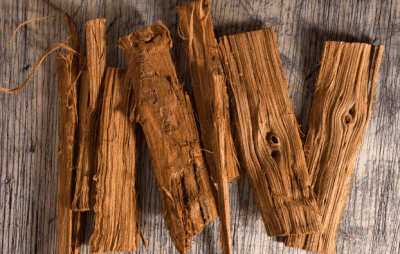
Cat’s claw, known scientifically as Uncaria tomentosa, is a woody vine native to the Amazon rainforest and other tropical areas of Central and South America. Its name comes from the sharp, curved thorns resembling a cat’s claw. The bark and root of this plant have been used for centuries in traditional medicine, especially by Indigenous peoples of Peru and surrounding regions. Cat’s claw bark is widely studied today for its potential anti-inflammatory, immune-modulating, and antioxidant properties.
Botanical Overview
Uncaria tomentosa belongs to the Rubiaceae family, which is the same botanical family as coffee. The vine can grow over 100 feet tall, using its claw-like thorns to climb trees. Two species are commonly called cat’s claw—Uncaria tomentosa and Uncaria guianensis—but U. tomentosa is the most widely used and researched.
The inner bark and root of the plant are medicinal, and they are harvested and processed into capsules, teas, tinctures, or powdered extracts.
Traditional Uses
For generations, Amazonian tribes have used cat’s claw to treat various ailments, including inflammation, digestive disorders, arthritis, infections, and even cancer. It was considered a “life-giving vine,” used to purify the body and strengthen the immune system. Some Indigenous shamans used it in spiritual and ceremonial contexts to ward off disease and cleanse negative energy.
Active Compounds
Cat’s claw bark contains several biologically active compounds that are believed to contribute to its health effects:
- Oxindole alkaloids: These have been shown to modulate immune system activity.
- Polyphenols and flavonoids possess antioxidant properties that reduce oxidative stress.
- Triterpenes: Offer anti-inflammatory effects.
- Quinovic acid glycosides: They have antiviral and anti-inflammatory properties.
The synergy between these compounds is thought to be responsible for cat’s claw’s broad therapeutic potential.
Health Benefits
1. Immune System Support
Cat’s claw is most well-known for its immune-modulating effects. Several in vitro and animal studies have shown that oxindole alkaloids can enhance the activity of phagocytes and support white blood cell function, helping the body combat pathogens more effectively [1].
In a human trial, cat’s claw extract increased white blood cell count and DNA repair in individuals exposed to oxidative stress [2], suggesting a role in immune defense and recovery.
2. Anti-Inflammatory Action
Cat’s claw is a natural anti-inflammatory, especially in managing arthritis and joint pain. In patients with osteoarthritis, cat’s claw extract was found to reduce joint pain and stiffness [3]. Its triterpenes and glycosides are believed to inhibit pro-inflammatory cytokines, such as TNF-alpha and interleukins, potentially helpful for inflammatory conditions like rheumatoid arthritis and inflammatory bowel disease.
3. Antioxidant Properties
The bark is rich in polyphenols and flavonoids, which act as antioxidants to neutralize free radicals that can damage cells and accelerate aging. By protecting DNA and cellular structures from oxidative damage, cat’s claw may contribute to general longevity and lower the risk of chronic diseases [4].
4. Digestive Health
In traditional medicine, cat’s claw has been used to treat gastritis, ulcers, and leaky gut syndrome. Its anti-inflammatory and tissue-repairing effects may help restore gut lining integrity. Some studies suggest that cat’s claw may inhibit Helicobacter pylori, a bacterium associated with stomach ulcers [5].
5. Antiviral and Anticancer Potential
Preliminary lab studies have shown that certain compounds in cat’s claw may inhibit the replication of viruses such as herpes simplex and dengue fever [6]. There is also early evidence that cat’s claw extracts may suppress tumor cell proliferation, though more robust clinical trials are needed to confirm its role in cancer prevention or treatment.
Forms and Dosage
Cat’s claw bark is available in several forms, including:
- Capsules/tablets: Standardized extracts often containing 250–350 mg.
- Tinctures: Alcohol-based extracts used in small dosages.
- Teas: Made by steeping or decocting the inner bark in hot water.
- Powder: Can be added to smoothies or capsules.
Typical dosage recommendations range from 20 to 60 mg per day of standardized extract for general immune support. However, dosages vary depending on the condition being treated and the concentration of the preparation. Always consult a healthcare professional for appropriate use.
Safety and Precautions
While cat’s claw is generally well tolerated, it can cause mild side effects in some individuals, including nausea, dizziness, or diarrhea. There are a few essential precautions:
- Pregnancy and breastfeeding: Not recommended due to lack of safety data and potential uterine-stimulating effects.
- Autoimmune conditions: Because cat’s claw can stimulate immune activity, it may not be appropriate for individuals with autoimmune diseases like lupus or multiple sclerosis.
- Surgery: Cat’s claw may affect blood clotting; discontinue use at least two weeks before surgery.
- Drug interactions: May interact with immune-suppressing drugs, anticoagulants, or medications metabolized by the liver.
Conservation and Sustainability
With increasing global demand, wildcat’s claw plants have faced overharvesting pressures. Ethical sourcing from cultivated or sustainably wildcrafted populations is crucial to preserve the biodiversity of the Amazon rainforest. Consumers are encouraged to buy from reputable companies that support sustainable harvesting and fair-trade practices.
Conclusion
Cat’s claw bark is a powerful herbal medicine with a long legacy of traditional use and growing scientific interest. Its ability to modulate the immune system, reduce inflammation, and protect against oxidative damage makes it a promising natural therapy for various chronic conditions. However, like all botanicals, it should be used with care, proper dosage, and medical guidance—especially for people with complex health conditions or medications.
As research continues to uncover the full potential of cat’s claw, it remains a shining example of how traditional herbal wisdom and modern science can converge to support health and healing.
References
- Aquino, R., et al. (1991). “Plant metabolites: Structure and in vitro antiviral activity of quinovic acid glycosides from Uncaria tomentosa and Guettarda platypoda.” Journal of Natural Products, 54(2), 453–459.
- Sheng, Y., et al. (2000). “DNA repair enhancement of aqueous extracts of Uncaria tomentosa in a human volunteer study.” Phytomedicine, 7(2), 137–143.
- Mur, E., et al. (2002). “Randomized double-blind trial of an extract from the pentacyclic alkaloid chemotype of Uncaria tomentosa for the treatment of rheumatoid arthritis.” The Journal of Rheumatology, 29(4), 678–681.
- Riva, L., et al. (2001). “The polyphenolic content and antioxidant activity of Uncaria tomentosa.” Fitoterapia, 72(6), 612–614.
- Pilarski, R., et al. (2010). “Antimicrobial activity of secondary metabolites from Uncaria tomentosa.” Phytotherapy Research, 24(5), 731–735.
- Keplinger, K., et al. (1999). “Uncaria tomentosa (Willd.) DC.—ethnomedicinal use and new pharmacological, toxicological and botanical results.” Journal of Ethnopharmacology, 64(1), 23–34.


