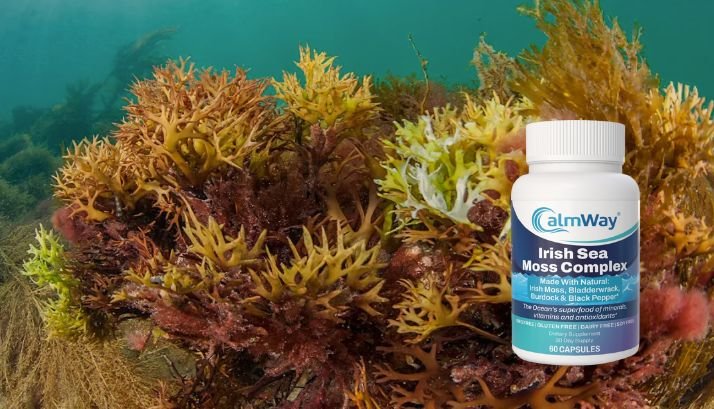
The Power Quartet: Unveiling the Synergistic Health Benefits of Irish Sea Moss, Burdock Root, Bladderwrack, and Black Pepper

In the ever-evolving landscape of natural wellness, ancient remedies are increasingly being rediscovered and re-evaluated for their profound health benefits. Certain herbal combinations stand out for their potential synergistic effects, where the whole is greater than the sum of its parts. Irish Sea Moss, Burdock Root, Bladderwrack, and Black Pepper are an intriguing quartet gaining popularity. This potent blend brings together the mineral-rich bounty of the ocean with the grounding, purifying properties of terrestrial roots and the bioavailability-enhancing kick of common spice.
Individually, each of these ingredients boasts a rich history of traditional use and a growing body of scientific research supporting its therapeutic potential. But when combined, they offer a multifaceted approach to well-being, targeting everything from thyroid health and detoxification to inflammation and nutrient absorption. Let’s journey through the unique attributes of each component and explore why this “power quartet” is capturing the attention of health enthusiasts worldwide.
Irish Sea Moss (Chondrus crispus): The Ocean’s Nutrient Powerhouse
Often referred to as Carrageen Moss, Irish Sea Moss is a species of red algae found abundantly along the rocky coasts of the Atlantic, particularly in Ireland. [1] For centuries, it has been harvested for its rich nutritional profile and versatile applications, from a traditional food thickener to a remedy for respiratory ailments.
- Mineral and Nutrient Density: Irish Sea Moss’s primary claim to fame is its impressive array of essential minerals. It is particularly lauded for containing 92 of the 102 minerals the human body needs for optimal function. [2] While this specific number is a popular claim needing broader scientific validation for exact counts in every batch, it undoubtedly provides a broad spectrum of vital nutrients, including iodine, potassium, calcium, magnesium, selenium, iron, and folate. [1, 3]
- Thyroid Support: The significant iodine content in Irish Sea Moss is crucial for thyroid health. The thyroid gland requires iodine to produce hormones (thyroxine and triiodothyronine) that regulate metabolism, energy levels, and overall development. [3, 4] Adequate iodine intake from sources like sea moss can help support normal thyroid function, though it’s vital to maintain a balance, as excessive iodine can also be problematic. [4]
- Gut Health and Digestive Aid: Irish Sea Moss is a good dietary fiber and prebiotic source, like other seaweeds. These compounds can help promote healthy digestion, support regular bowel movements, and nourish beneficial gut bacteria. [2] The mucilaginous texture, when prepared, can also have a soothing effect on the digestive tract.
- Immune System Boost: The diverse range of vitamins, minerals, and antioxidants found in Irish Sea Moss, such as Vitamin C and selenium, can contribute to a robust immune system, helping the body defend against pathogens. [1]
- Skin Health: Irish Sea Moss has traditionally been used topically and internally to promote skin health due to its hydrating properties and mineral content, which can support collagen production and skin elasticity. [2]
Bladderwrack (Fucus vesiculosus): The Iodine King of the Sea
Bladderwrack is another brown seaweed commonly found in the intertidal zones of the North Atlantic and Pacific Oceans. It’s easily identifiable by its air bladders or vesicles that help it float. [5] Like Irish Sea Moss, Bladderwrack has a long history of use as both food and medicine.
- Exceptional Iodine Source: Bladderwrack is renowned for its exceptionally high iodine content, even more so than many other seaweeds. This makes it a potent natural source for supporting thyroid hormone production. [5, 6] Historically, it was one of the earliest sources of iodine used to treat goiter, a condition caused by iodine deficiency. [6]
- Thyroid Regulation: Due to its rich iodine levels, Bladderwrack is primarily associated with supporting thyroid health and metabolic regulation. [5, 7] However, this also means it must be used cautiously, especially by individuals with pre-existing thyroid conditions or those sensitive to iodine.
- Anti-inflammatory Properties: Bladderwrack contains various bioactive compounds, including fucoidan, phlorotannins, and fucoxanthin, demonstrating significant anti-inflammatory and antioxidant effects in studies [5, 7]. These properties may help combat oxidative stress and reduce inflammation throughout the body.
- Potential for Weight Management: Some research suggests that fucoxanthin, a carotenoid found in Bladderwrack, may have anti-obesity effects by influencing fat metabolism. [5] However, more human clinical trials are needed to confirm these effects.
- Rich in Trace Minerals and Vitamins: Beyond iodine, Bladderwrack also provides other valuable nutrients like fucoidans (a type of sulfated polysaccharide with various health benefits), alginic acid, vitamins A, C, E, and K, and various minerals. [6]
Burdock Root (Arctium lappa): The Earth’s Natural Detoxifier and Blood Purifier
Moving from the ocean to the earth, Burdock Root is a biennial plant native to Europe and Northern Asia, now widely naturalized worldwide. Its long, dark root has been a staple in traditional folk medicine for centuries, particularly prized for its detoxifying and blood-purifying properties. [8]
- Detoxification and Diuretic Effects: Burdock Root is traditionally known as a “blood purifier.” It is believed to support liver function and promote eliminating waste products from the body. [8, 9] Its diuretic properties help increase urine output, which can aid in flushing out toxins through the kidneys.
- Rich in Antioxidants: Burdock Root contains powerful antioxidants, such as phenolic acids, quercetin, and luteolin. [8, 10] These compounds help protect the body from damage caused by free radicals, thereby reducing oxidative stress and potentially lowering the risk of chronic diseases.
- Skin Health Champion: Historically and in modern herbalism, Burdock Root is highly regarded for promoting healthy skin. It has been used to address conditions like acne, eczema, and psoriasis by supporting detoxification pathways and possessing anti-inflammatory and antibacterial properties. [9, 10]
- Anti-inflammatory Action: The bioactive compounds in Burdock Root exhibit anti-inflammatory effects, which can be beneficial for various inflammatory conditions. [8]
- Prebiotic Power for Gut Health: Burdock Root contains inulin, a soluble prebiotic fiber. Inulin bypasses digestion in the small intestine and travels to the colon, feeding beneficial gut bacteria and promoting a healthy gut microbiome. [9]
Black Pepper (Piper nigrum) & Piperine: The Bioavailability Booster
The humble black pepper, a staple in kitchens globally, plays a far more significant role in this herbal quartet than just adding a bit of spice. Its primary active compound, Piperine, is the key to unlocking the full potential of the other ingredients. [11]
- Enhanced Nutrient Absorption (Bioenhancement): Piperine is a well-documented bioenhancer. This means it can significantly increase the absorption and bioavailability of various nutrients and herbal compounds. [11, 12] It achieves this through several mechanisms, including inhibiting enzymes that metabolize drugs and herbal compounds in the liver and intestines and enhancing intestinal permeability to certain substances. [12] Piperine can help the body absorb the minerals from sea moss, Bladderwrack, and burdock root’s active constituents in this herbal blend.
- Antioxidant and Anti-inflammatory Properties: Piperine possesses notable antioxidant and anti-inflammatory effects, contributing to the overall health benefits of the blend. [11]
- Metabolism Support: Some research suggests that Piperine may positively influence metabolism and even play a role in weight management by inhibiting the formation of new fat cells, though more research is needed. [11]
- Cognitive Benefits: Preliminary studies indicate that Piperine might offer neuroprotective effects and enhance cognitive function. [12]
The Synergistic Symphony: Why This Combination Works
The power of combining Irish Sea Moss, Bladderwrack, Burdock Root, and Black Pepper lies in their complementary actions and the enhancing effect of Piperine:
- Comprehensive Mineral and Thyroid Support: Irish Sea Moss and Bladderwrack provide a broad spectrum of minerals and a potent dose of iodine, essential for thyroid function and overall mineral balance. While Irish Sea Moss offers a broader range, Bladderwrack delivers a more concentrated iodine punch. [3, 6]
- Holistic Detoxification: Burdock Root’s focus on supporting liver function and blood purification complements the mineral replenishment from the seaweeds. As the body detoxifies, it requires adequate minerals to support these processes and rebuild. [8, 9]
- Enhanced Bioavailability for Maximum Impact: This is where Black Pepper shines. The piperine content ensures that the valuable minerals from the seaweeds (which can sometimes be bound in less absorbable forms) and the bioactive compounds in Burdock Root are more readily absorbed and utilized by the body. [11, 12] You get more “bang for your buck” from each ingredient.
- Combined Anti-inflammatory and Antioxidant Power: All four ingredients possess antioxidant and anti-inflammatory properties. [5, 8, 11] Their combined effect can create a more potent defense against oxidative stress and chronic inflammation, which are underlying factors in many health conditions.
- Gut Health Synergy: The prebiotic fibers from Irish Sea Moss and Burdock Root work together to nourish beneficial gut bacteria, promoting a healthy microbiome, which is foundational for overall health, including nutrient absorption and immune function. [2, 9]
Navigating Safe Usage: Important Considerations and Precautions
While this herbal quartet offers exciting potential, it’s crucial to approach its use with awareness and caution.
- Iodine Content – The Double-Edged Sword: The most significant consideration is the high iodine content, particularly from Bladderwrack and, to a lesser extent, Irish Sea Moss. [4, 6] While essential for thyroid health, excessive iodine can lead to thyroid dysfunction, including hyperthyroidism or hypothyroidism, especially in individuals with pre-existing thyroid conditions like Hashimoto’s thyroiditis or Graves’ disease. [4] It’s vital to be mindful of total iodine intake from all sources. The Tolerable Upper Intake Level (UL) for iodine for adults is 1,100 mcg per day. [4]
- Potential Side Effects: Seaweeds (Irish Sea Moss & Bladderwrack): Beyond thyroid concerns, possible side effects can include digestive upset (bloating, gas, diarrhea) due to the fiber content and a metallic taste. Heavy metal contamination can concern seaweeds depending on their harvesting location; always choose products from reputable sources that test for contaminants. [1, 5]
- Burdock Root: Generally well-tolerated, but some may experience allergic reactions (especially those allergic to daisies, chrysanthemums, or ragweed). It can also cause diuretic effects. [8, 9]
- Black Pepper: Usually safe in culinary amounts. High doses of piperine supplements might cause gastrointestinal upset. [11]
- Drug Interactions: Iodine-rich seaweeds can interact with thyroid medications (levothyroxine, anti-thyroid drugs), anticoagulants/antiplatelet drugs (due to potential vitamin K content and effects on blood clotting, though this is more pronounced with some other seaweeds), and lithium. [4, 6]
- Burdock Root: May interact with diuretics (increasing their effect), diabetes medications (potentially lowering blood sugar further), and blood thinners (may increase bleeding risk). [9]
- Black Pepper (Piperine): Can significantly affect the metabolism and absorption of various medications, including some anticonvulsants (e.g., phenytoin, carbamazepine), anticoagulants (e.g., warfarin), antihistamines (e.g., fexofenadine), blood pressure medications, and others, potentially increasing their levels and risk of side effects. [12] This is a critical consideration.
- Contraindications: Pregnancy and Breastfeeding: Due to insufficient safety data and potential hormonal effects or high iodine levels, this combination is generally not recommended for pregnant or breastfeeding women. [1, 5, 8, 11]
- Thyroid Disorders: Individuals with thyroid conditions should consult their endocrinologist before using this blend, particularly due to the high and variable iodine content.
- Bleeding Disorders or Upcoming Surgery: Burdock Root and potentially Bladderwrack (and Piperine’s interactions with blood thinners) may increase bleeding risk. Discontinue use at least two weeks before any surgical procedure.
- Allergies: Individuals with allergies to seafood, ragweed, or other related plants should exercise caution.
The Golden Rule: Always Consult Your Healthcare Professional
The information presented here is for educational purposes only and should not be taken as medical advice. Given the potent nature of these ingredients and the potential for interactions and side effects, especially concerning iodine levels and drug metabolism, it is imperative to consult with a qualified healthcare professional before incorporating a blend of Irish Sea Moss, Burdock Root, Bladderwrack, and Black Pepper into your wellness routine.
This is particularly important if you:
- Have any pre-existing medical conditions (especially thyroid, kidney, or liver issues, bleeding disorders, or diabetes).
- Are you taking any prescription or over-the-counter medications or other supplements?
- Are you pregnant, planning to become pregnant, or breastfeeding?
Your healthcare provider can help assess if this combination is appropriate for your health status, discuss potential risks, monitor for side effects, and ensure it won’t negatively interact with anything else you are taking.
Conclusion: A Potent Blend for a Holistic Approach
The combination of Irish Sea Moss, Burdock Root, Bladderwrack, and Black Pepper represents a fascinating intersection of traditional wisdom and modern understanding of herbal synergy. Together, they offer a broad spectrum of potential benefits, from nourishing the body with essential minerals and supporting thyroid function to aiding detoxification, reducing inflammation, and, crucially, enhancing the absorption of these valuable compounds.
While the allure of this “power quartet” is strong, responsible usage is key. Understanding the individual properties, potential synergistic actions, and, most importantly, the safety considerations and the necessity of professional guidance will allow individuals to explore the potential of this ancient-modern blend thoughtfully and safely on their path to optimal health. As research continues to evolve, we may uncover more about the profound capabilities of these remarkable natural ingredients when they work in concert.
References:
[1] Memorial Sloan Kettering Cancer Center (MSKCC). (n.d.). Irish Moss. Retrieved from https://www.mskcc.org/cancer-care/integrative-medicine/herbs/irish-moss
[2] Healthline. (2023, March 29). What Is Sea Moss? All You Need to Know. Retrieved from https://www.healthline.com/nutrition/sea-moss
[3] FoodData Central, U.S. Department of Agriculture. (Data for Chondrus crispus or raw sea moss would be referenced here for specific nutrient values if a general database link is preferred: https://fdc.nal.usda.gov/). Specific nutrient compositions vary, but generally, reputable sources affirm mineral richness.
[4] National Institutes of Health (NIH) – Office of Dietary Supplements. (2022, April 28). Iodine: Fact Sheet for Health Professionals. Retrieved from https://ods.od.nih.gov/factsheets/Iodine-HealthProfessional/
[5] WebMD. (n.d.). Bladderwrack – Uses, Side Effects, and More. Retrieved from https://www.webmd.com/vitamins/ai/ingredientmono-726/bladderwrack
[6] European Medicines Agency (EMA). (2016). Assessment report on Fucus vesiculosus L., thallus. (EMA/HMPC/23Fucus vesiculosus L., thallus888/2013). Retrieved from https://www.ema.europa.eu/en/documents/herbal-report/final-assessment-report-fucus-vesiculosus-l-thallus_en.pdf
[7] Catarino, M. D., Silva, A. M. S., & Cardoso, S. M. (2018). Phytochemical Constituents and Biological Activities of Fucus spp. Marine Drugs, 16(8), 249.
[8] Memorial Sloan Kettering Cancer Center (MSKCC). (n.d.). Burdock. Retrieved from https://www.mskcc.org/cancer-care/integrative-medicine/herbs/burdock
[9] Healthline. (2023, August 1). Burdock Root: Benefits, Side Effects, and Dosage. Retrieved from https://www.healthline.com/nutrition/burdock-root
[10] Chan, Y. S., Cheng, L. N., Wu, J. H., Chan, E., Kwan, Y. W., Lee, S. M. Y., … & Chan, S. W. (2011). A review of the pharmacological effects of Arctium lappa (burdock). Inflammopharmacology, 19(5), 245-254.
[11] Examine.com. (n.d.). Piperine. Retrieved from https://examine.com/supplements/piperine/
[12] Meghwal, M., & Goswami, T. K. (2013). Piper nigrum and piperine: an update. Phytotherapy Research, 27(8), 1121-1130.