

$19.99


$19.99
$23.99
$23.99
$19.99
$19.99
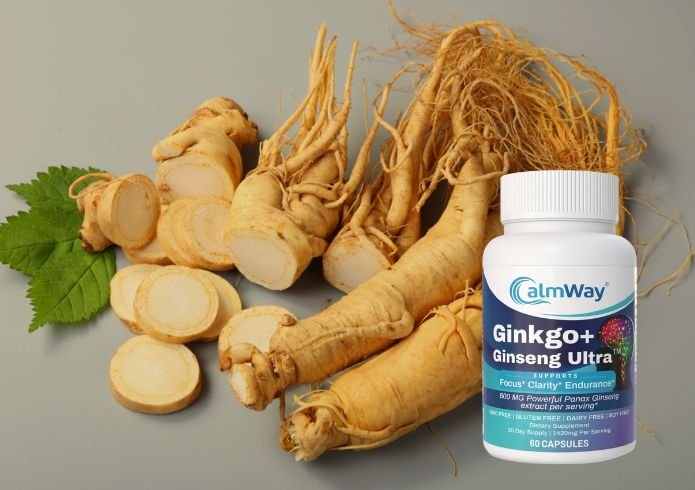
In our relentless pursuit of health and vitality, we often look to the cutting edge of modern science. Yet, sometimes, the most profound solutions are rooted in ancient traditions. Ginkgo Biloba and Ginseng are two such titans of the herbal world, revered for centuries in traditional Chinese medicine and other healing systems for their remarkable health-enhancing properties. Today, contemporary research continues to explore and validate many of the benefits attributed to these botanical powerhouses, offering exciting insights into their potential to support cognitive function, boost energy, improve circulation, and bolster our resilience against stress.
Individually, Ginkgo and Ginseng offer a wealth of benefits. But when considered together, they represent a potent combination for holistic well-being. Let’s delve into the unique properties of each and explore why these ancient remedies continue to capture our attention.
Ginkgo Biloba: The Living Fossil, Sharpening Mind and Circulation
Ginkgo Biloba, often called a “living fossil,” is one of Earth’s oldest living tree species, stretching back over 270 million years. [1] Its resilience is mirrored in its therapeutic potential, primarily attributed to its rich concentration of flavonoids and terpenoids (ginkgolides and bilobalide). [2] These active compounds contribute to its antioxidant and anti-inflammatory effects.
Ginseng: The Adaptogenic Root for Energy, Immunity, and Resilience
Ginseng, a term encompassing several plant species in the Panax genus, is another cornerstone of traditional medicine, particularly revered for its adaptogenic properties. Adaptogens help the body better cope with physical and mental stress. [7] The primary active compounds in Ginseng are called ginsenosides, which are believed to be responsible for their diverse therapeutic effects. [8] The two most common types are Asian ginseng (Panax ginseng) and American ginseng (Panax quinquefolius).
The Synergistic Potential: Ginkgo and Ginseng Together
While both Ginkgo and Ginseng offer impressive individual benefits, there’s growing interest in their potential synergistic effects when taken together. The combination is often marketed for enhanced cognitive performance and overall vitality.
The theory behind this synergy is that the complementary actions of the two herbs could lead to greater benefits than either could achieve alone. For example, Ginkgo’s circulation-enhancing properties could improve the delivery of Ginseng’s active compounds to the brain and other tissues. [11] Simultaneously, Ginseng’s adaptogenic and energy-boosting effects could complement Ginkgo’s cognitive support.
Some studies have specifically investigated a standardized combination of Ginkgo Biloba and Panax Ginseng (often called Gincosan or similar proprietary blends). This research has shown promising results in improving cognitive function and memory and reducing mental fatigue, particularly in healthy individuals and those experiencing age-related cognitive decline. [11, 12] Participants in these studies often report improved speed of memory, accuracy in attention tasks, and reduced feelings of mental exhaustion. [12] The combination appears to support both the “hardware” (circulation, neural protection via Ginkgo) and the “software” (neurotransmitter modulation, stress adaptation via Ginseng) of cognitive function.
Important Considerations: Safety, Side Effects, and Interactions
While generally considered safe for most healthy adults when taken at recommended doses, both Ginkgo and Ginseng can cause side effects and interact with medications.
For Ginkgo Biloba:
For Ginseng:
The Golden Rule: Consult Your Healthcare Provider
The allure of natural remedies like Ginkgo Biloba and Ginseng is strong, and the evidence for many of their benefits is compelling. However, they are potent substances that can significantly affect the body.
Before incorporating Ginkgo, Ginseng, or any herbal supplement into your routine, it is essential to consult with your healthcare provider or a qualified integrative medicine practitioner. [5, 7] This is particularly crucial if you:
Your healthcare provider can help you determine whether these supplements are appropriate for your health needs, discuss potential risks and interactions, and advise on safe dosages. They can also help you choose high-quality products from reputable manufacturers, as the quality and concentration of active compounds can vary significantly between supplements.
Conclusion: Embracing Ancient Wisdom with Modern Prudence
Ginkgo Biloba and Ginseng stand as testaments to the enduring power of nature’s pharmacy. Their rich history in traditional medicine and growing scientific validation highlight their potential to support cognitive health, enhance energy levels, improve circulation, and bolster our ability to cope with stress. When these two herbs are combined, the prospect of synergistic benefits is fascinating for those seeking a holistic boost to mental and physical vitality.
However, wisdom also lies in approaching these potent botanicals respectfully and cautiously. Understanding their mechanisms, potential side effects, and interactions, and always seeking professional medical advice ensures that we can harness the ancient power of Ginkgo and Ginseng safely and effectively on our journey toward optimal health and well-being.
References:
[1] National Center for Complementary and Integrative Health (NCCIH). (n.d.). Ginkgo. Retrieved from https://www.nccih.nih.gov/health/ginkgo
[2] Memorial Sloan Kettering Cancer Center (MSKCC). (n.d.). Ginkgo Biloba. Retrieved from https://www.mskcc.org/cancer-care/integrative-medicine/herbs/ginkgo-biloba
[3] Diamond, B. J., Shiflett, S. C., Feiwel, N., Matheis, R. J., Noskin, O., Richards, J. A., & Schoenberger, N. E. (2000). Ginkgo biloba extract: mechanisms and clinical indications. Archives of Physical Medicine and Rehabilitation, 81(5), 668-678.
[4] WebMD. (n.d.). Ginkgo – Uses, Side Effects, and More. Retrieved from https://www.webmd.com/vitamins/ai/ingredientmono-333/ginkgo
[5] Mayo Clinic. (2023, August 23). Ginkgo. Retrieved from https://www.mayoclinic.org/drugs-supplements-ginkgo/art-20362032
[6] Blumenthal, M., Goldberg, A., Brinckmann, J. (Eds.). (2000). Herbal Medicine: Expanded Commission E Monographs. Integrative Medicine Communications. (Specific monographs for Ginkgo Biloba leaf extract).
[7] National Center for Complementary and Integrative Health (NCCIH). (n.d.). Asian Ginseng. Retrieved from https://www.nccih.nih.gov/health/asian-ginseng (Also provides some information on American Ginseng).
[8] Memorial Sloan Kettering Cancer Center (MSKCC). (n.d.). Panax Ginseng. Retrieved from https://www.mskcc.org/cancer-care/integrative-medicine/herbs/panax-ginseng
[9] WebMD. (n.d.). Panax Ginseng – Uses, Side Effects, and More. Retrieved from https://www.webmd.com/vitamins/ai/ingredientmono-1000/panax-ginseng (Also relevant for American Ginseng by searching its specific page).
[10] Healthline. (2024, January 18). 7 Proven Health Benefits of Ginseng. Retrieved from https://www.healthline.com/nutrition/ginseng-benefits
[11] Wesnes, K. A., Ward, T., McGinty, A., & Petrini, O. (2000). The memory enhancing effects of a Ginkgo biloba/Panax ginseng combination in healthy middle-aged volunteers. Psychopharmacology, 152(4), 353-361.
[12] Kennedy, D. O., Scholey, A. B., & Wesnes, K. A. (2002). Modulation of cognition and mood after administering single doses of Ginkgo biloba, Ginseng, and a ginkgo/ginseng combination to healthy young adults. Physiology & Behavior, 75(5), 739-751.


No account yet?
Create an Account