

$19.99


$19.99
$23.99
$23.99

$19.99

$19.99
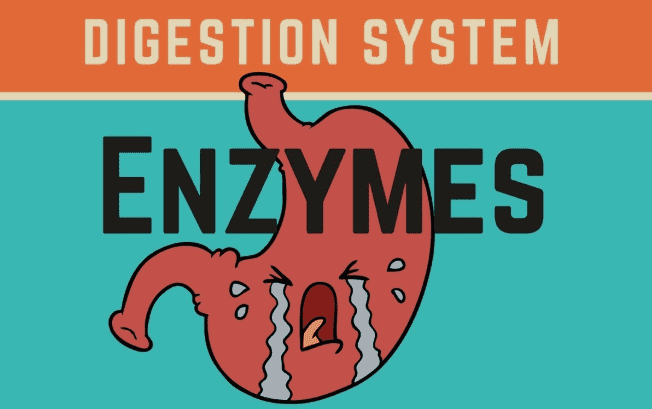
Digestive enzymes play a critical role in the human body by breaking down food into nutrients that can be absorbed and utilized. Without them, even the healthiest diet could starve the body of vital nutrients. While the body produces digestive enzymes, various factors, such as aging, disease, or poor diet, can impair this process. For this reason, digestive enzyme supplementation has gained popularity as a tool to support gastrointestinal health and overall wellness.
In this article, we explore what digestive enzymes are, how they function, and the key benefits they offer, backed by current scientific research.
Digestive enzymes are proteins that catalyze the breakdown of food into smaller molecules, facilitating nutrient absorption. They are produced primarily in the salivary glands, stomach, pancreas, and small intestine.
The three main categories of digestive enzymes include:
Additional enzymes like lactase (which digests lactose), maltase, and sucrase also play important roles depending on the specific foods consumed.
There are two main sources of digestive enzymes:
Enzymes help break down complex food molecules into absorbable units. Without adequate enzyme activity, nutrients pass through the digestive tract unabsorbed. Supplementation can support better digestion and nutrient bioavailability, especially in individuals with enzyme insufficiency.
Evidence: A study published in Current Drug Metabolism noted that enzyme supplementation improved nutrient digestion and absorption in patients with pancreatic insufficiency and other digestive disorders (de Meij et al., 2012) [1].
People with conditions like irritable bowel syndrome (IBS), pancreatic insufficiency, lactose intolerance, and celiac disease often have impaired enzyme function. Supplementation can ease symptoms such as bloating, gas, diarrhea, and abdominal discomfort.
Evidence: Research in the World Journal of Gastroenterology found that pancrelipase, a pancreatic enzyme supplement, significantly improved digestion and symptom relief in individuals with exocrine pancreatic insufficiency (Domínguez-Muñoz, 2011) [2].
Another study showed that enzyme blends helped reduce IBS symptoms by aiding in carbohydrate digestion, which is often impaired in such patients (Martinsen et al., 2009) [3].
Poor digestion often leads to fermentation of undigested food in the colon, producing gas and bloating. Digestive enzymes help reduce this by breaking down food more completely in the upper digestive tract.
Evidence: In a randomized controlled trial, supplementation with an enzyme blend significantly reduced symptoms of bloating and fullness after meals (Garg et al., 2011) [4].
Lactase, the enzyme that digests lactose (milk sugar), is often deficient in adults, leading to lactose intolerance. Supplemental lactase can enable individuals to consume dairy with fewer adverse effects.
Evidence: A systematic review in The Cochrane Database concluded that lactase enzyme supplementation reduces symptoms of lactose intolerance in lactose-sensitive individuals (Heyman, 2006) [5].
Some enzymes, such as bromelain and papain, possess anti-inflammatory and wound-healing properties. These enzymes not only aid digestion but may also modulate immune responses and reduce inflammation.
Evidence: Bromelain has been shown to reduce inflammatory markers and promote healing in patients with sinusitis and soft tissue injuries (Taussig & Batkin, 1988) [6].
Athletes are increasingly using digestive enzyme supplements to enhance protein absorption and reduce muscle recovery time after workouts.
Evidence: A study published in Enzyme Research found that protease supplementation improved muscle recovery and reduced perceived soreness after intense exercise (Beck et al., 2007) [7].
As people age, their natural production of digestive enzymes often declines, leading to impaired digestion and nutrient deficiencies. Supplementing with enzymes can counteract these effects and support better gastrointestinal health in older adults.
Evidence: Research in the Journal of Clinical Gastroenterology indicated that aging correlates with a decrease in pancreatic enzyme secretion, which can affect overall digestion and health (Moukarzel et al., 2000) [8].
While digestive enzymes are generally safe, there are some potential side effects and considerations:
Consulting with a healthcare provider before starting any enzyme supplement is essential, particularly for those with chronic conditions or who are on medications.
When selecting a digestive enzyme product, consider the following:
Digestive enzymes are a cornerstone of proper nutrient assimilation and gastrointestinal health. Whether you suffer from a diagnosed enzyme deficiency, experience occasional digestive discomfort, or want to optimize your nutrient absorption and overall health, digestive enzyme supplementation can offer significant benefits. Research continues to support their role in treating digestive disorders, enhancing recovery, reducing inflammation, and supporting healthy aging.
As with all supplements, digestive enzymes should be approached as part of a holistic health strategy, alongside a balanced diet, regular physical activity, and medical guidance.


No account yet?
Create an Account