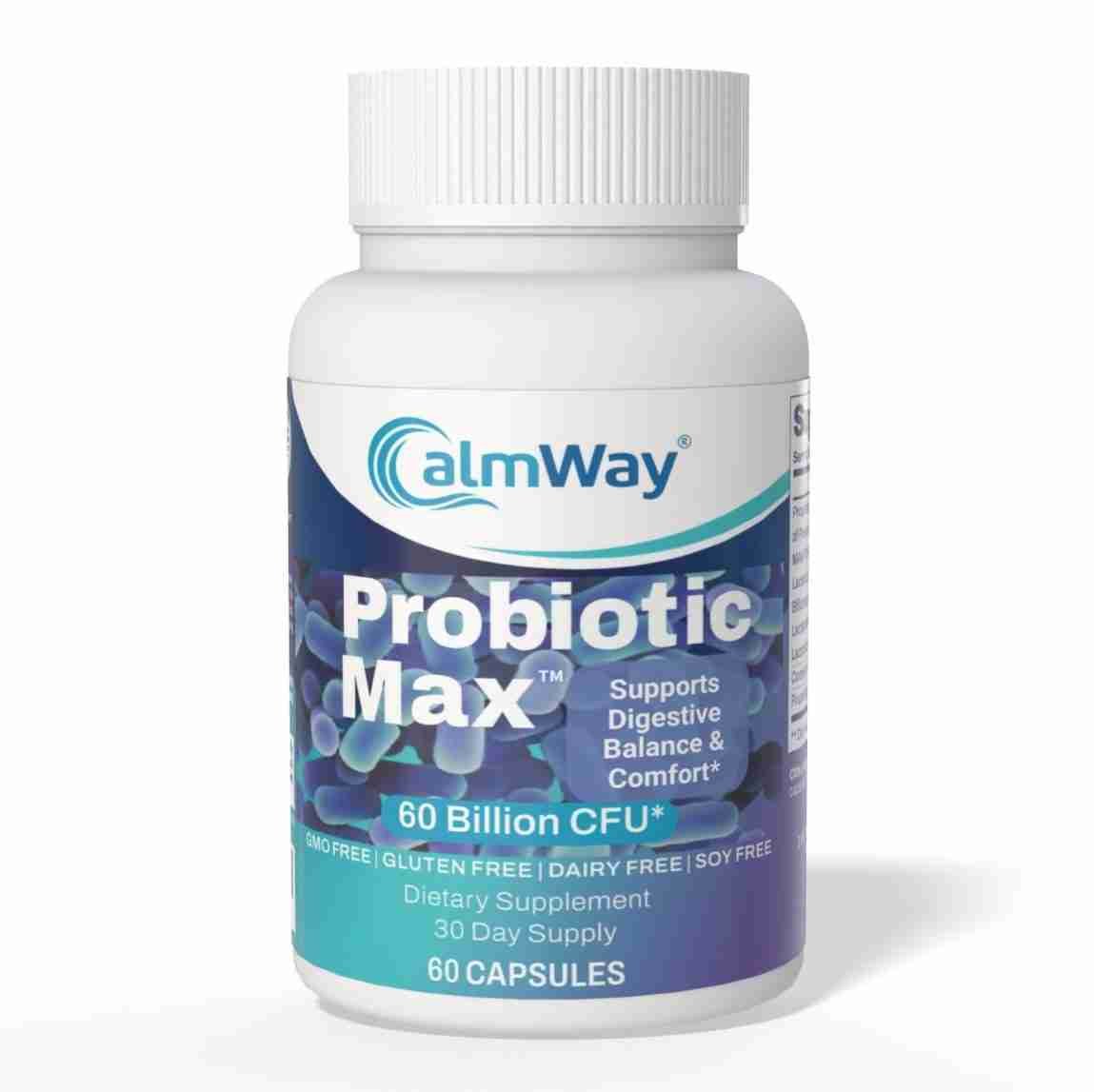


$19.99


$19.99
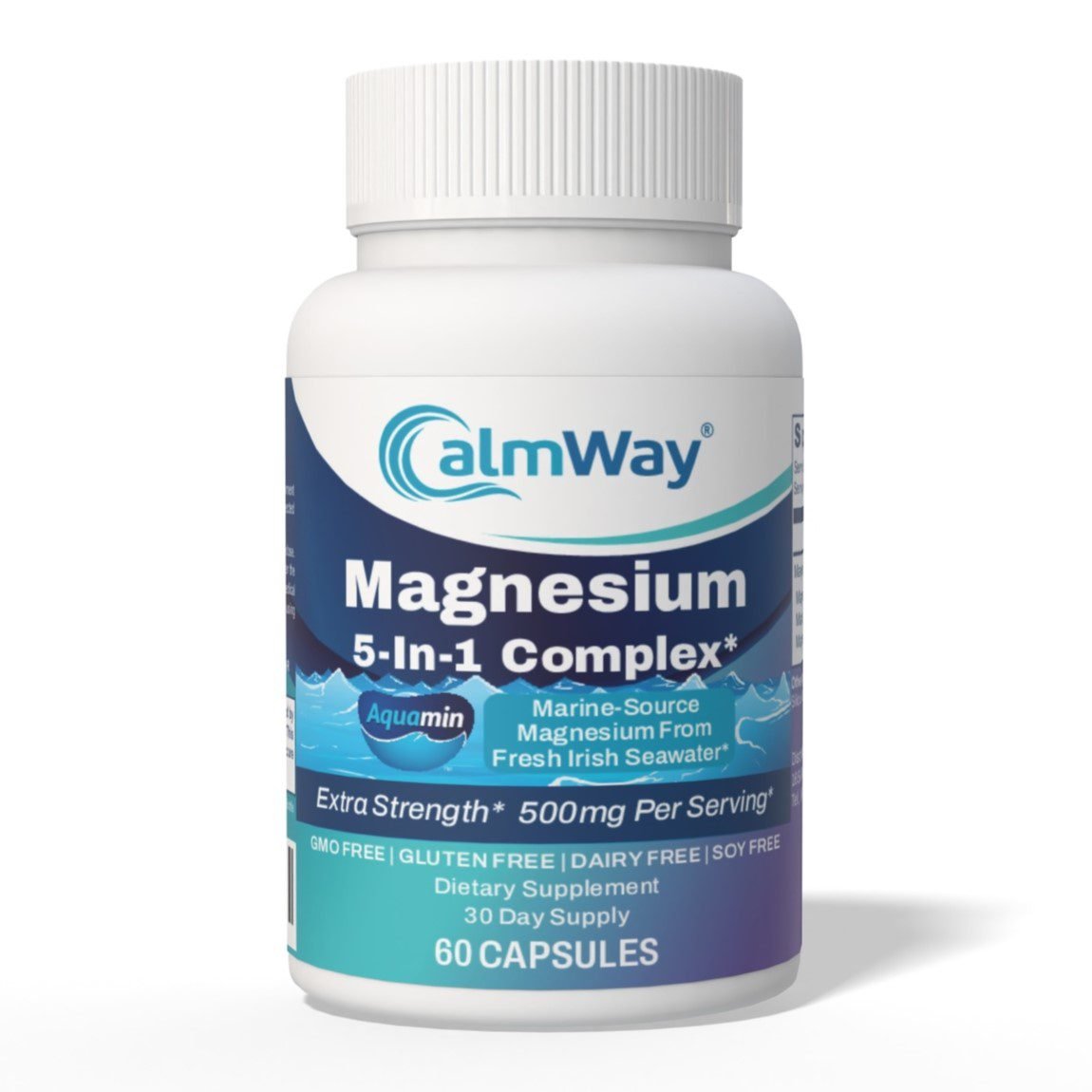
$23.99
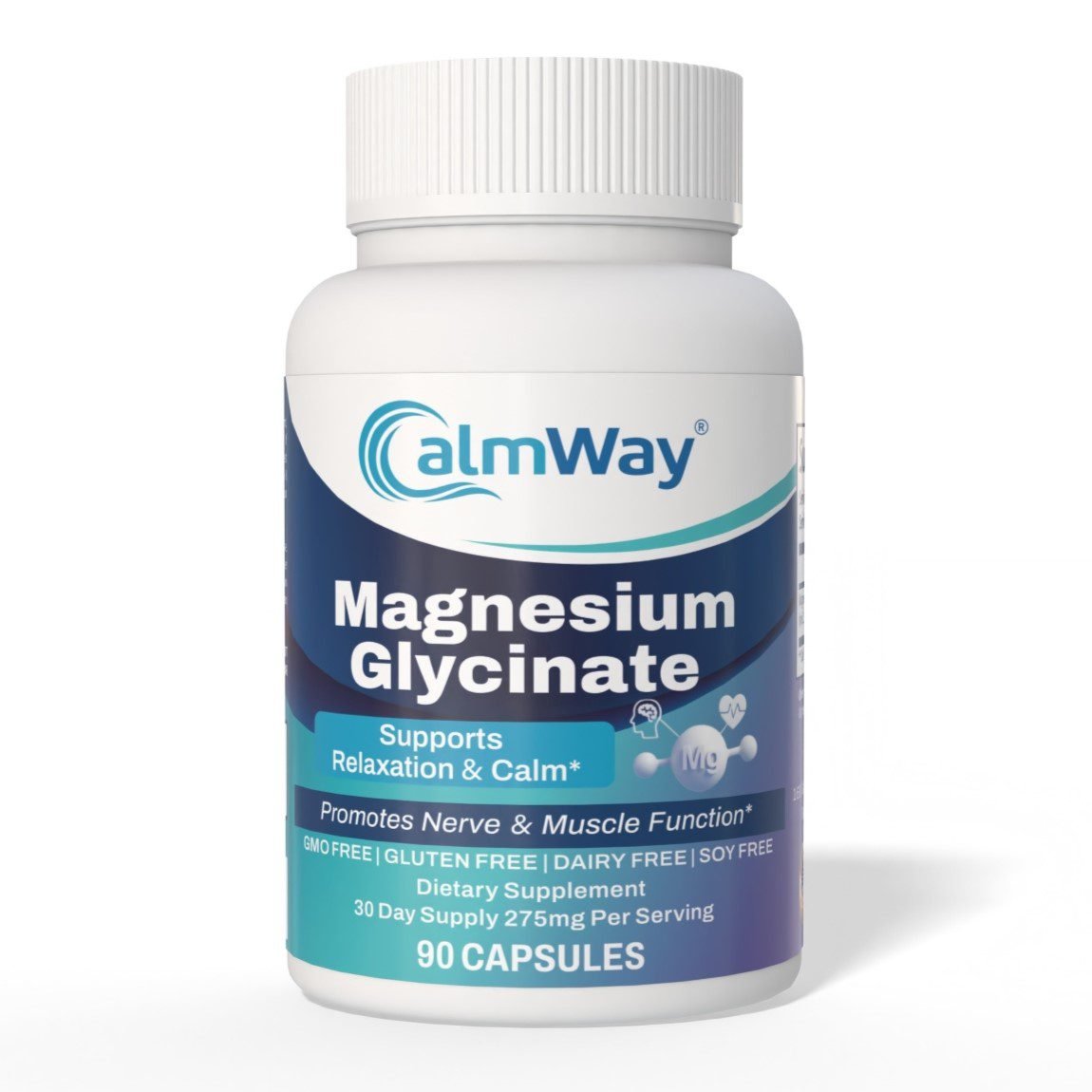
$23.99
$19.99
$19.99
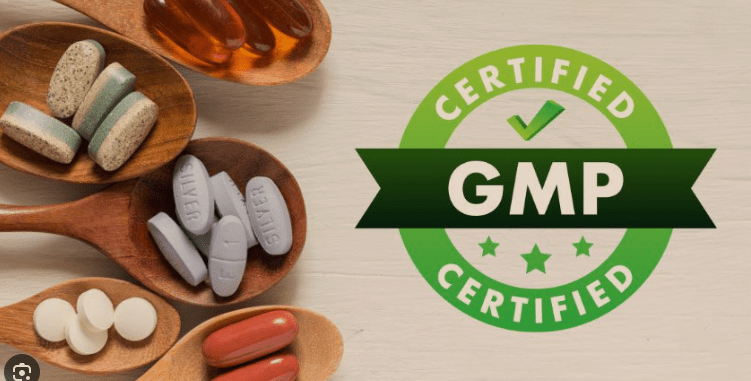
In the world of health supplements, pharmaceuticals, cosmetics, and even food production, one three-letter acronym stands as a powerful indicator of trust and quality: GMP—Good Manufacturing Practices. Whether you’re a consumer looking for safe products or a business striving to earn consumer trust, understanding GMP certification is vital.
This guide explores what GMP certification means, why it matters, how it’s obtained, and what it signifies for businesses and consumers.
GMP stands for Good Manufacturing Practices, a system that ensures products are consistently produced and controlled according to quality standards. These practices apply to various industries, particularly:
GMP principles are intended to minimize risks that cannot be eliminated through final product testing, such as contamination, incorrect labeling, or inconsistencies between batches.
The specifics of GMP vary slightly by country, but all align around similar core principles. Regulatory authorities responsible for GMP include:
Each country has agencies or third parties authorized to inspect and certify GMP compliance based on their national standards.
GMP certification is an official recognition that a manufacturing facility adheres to Good Manufacturing Practices. Certification is typically granted by an independent third-party organization that audits the facility and confirms that:
This certification is not mandatory for all industries but is often sought voluntarily to demonstrate commitment to quality and safety.
GMP guidelines typically focus on the following five pillars, often remembered as the “5 P’s”:
All personnel must be appropriately trained, qualified, and hygienic.
The facility must be clean, well-maintained, and properly designed to prevent contamination or errors.
Every procedure must be standardized, documented, and regularly reviewed.
Each product should be consistently manufactured with documented controls from raw materials to final output.
Thorough record-keeping ensures traceability and accountability at every step [3].
To become GMP certified, a manufacturer typically follows these steps:
A third-party auditor assesses the current state of operations against GMP standards and identifies what improvements are needed.
The company updates procedures, trains staff, and addresses any facility or documentation system deficiencies.
An accredited third-party body performs a formal audit to assess compliance. Audits often include:
If the auditor finds issues, the company must implement corrective measures.
If the company meets the standards, they are awarded a GMP Certificate, usually valid for 1–3 years, subject to periodic re-audits.
Some well-known certification bodies include:
While GMP aims to reduce risk, facilities may still encounter compliance challenges, including:
These can lead to warnings, penalties, or even suspension of certification if not corrected.
You may often see the term cGMP, where the “c” stands for current. This highlights that manufacturers are expected to:
In short, GMP refers to the system itself, while cGMP emphasizes continuous improvement and staying current. The FDA uses the term cGMP to stress this ongoing responsibility [5].
Efforts to unify GMP standards globally are ongoing. Organizations like the International Council for Harmonisation (ICH) and Pharmaceutical Inspection Co-operation Scheme (PIC/S) work to harmonize GMP regulations across borders, simplifying global trade while upholding quality [6].
For example, this allows a GMP-certified manufacturer in the U.S. to export to Europe or Asia with minimal additional regulatory burden.
While not always mandatory, GMP certification is expected or required for many types of products:
| Product Category | GMP Required? |
|---|---|
| Pharmaceuticals | Yes (mandatory) |
| Dietary Supplements | Yes (mandatory in the U.S.) |
| Cosmetics | Not mandatory, but highly recommended |
| Food & Beverages | Some sectors (e.g., infant formula) |
| Medical Devices | Yes |
GMP certification ensures that a product is made correctly, but it does not necessarily guarantee:
It also does not include certification of organic, non-GMO, or ethical sourcing, though GMP-compliant manufacturers may also pursue these.
When buying supplements, food, or cosmetics, you can look for the following indicators:
You can also check the certification body’s website to verify the legitimacy of the company’s claims.
In today’s health-conscious, quality-driven marketplace, GMP certification is more than a badge—it’s a benchmark. It shows that a manufacturer takes safety, consistency, and transparency seriously. For businesses, it opens doors to new markets and builds consumer trust. For consumers, it offers peace of mind that what’s on the label matches what’s in the bottle.
Whether you’re a manufacturer looking to scale responsibly or a consumer striving to make informed decisions, understanding GMP certification is a step toward smarter, safer choices.
ICH. (2022). International Council for Harmonisation Guidelines
U.S. FDA. (2023). Dietary Supplement Current Good Manufacturing Practices (CGMPs)
World Health Organization. (2021). WHO Good Manufacturing Practices for Pharmaceutical Products
Pharmaceutical Inspection Co-operation Scheme (PIC/S). (2022). GMP Guidelines
NSF International. (2023). GMP Certification for Dietary Supplements
FDA. (2022). Current Good Manufacturing Practice (cGMP)


No account yet?
Create an Account