


$19.99


$19.99

$23.99

$23.99
$19.99

$19.99
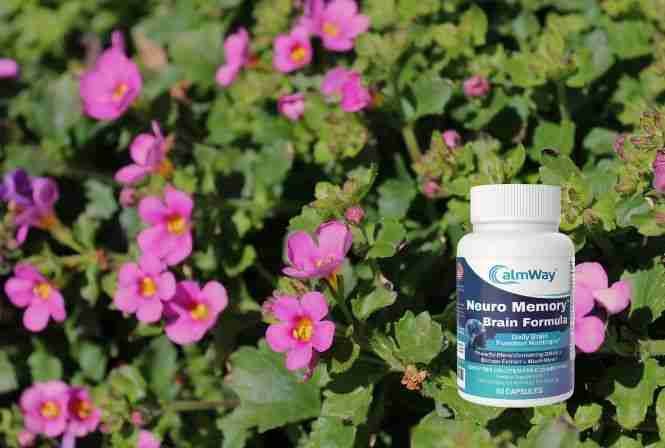
Bacopa monnieri, commonly known as Bacopa, water hyssop, or brahmi, is a staple herb in Ayurvedic medicine. It has been used for centuries to enhance memory, cognition, and overall brain function. Modern scientific research now supports many of these traditional claims, positioning Bacopa extract as a promising nootropic—a natural substance that supports cognitive performance.
This adaptogenic herb contains potent bioactive compounds called bacosides, primarily responsible for its therapeutic effects.
Bacopa is best known for its memory-boosting and learning-enhancing properties. It improves cognitive function by modulating neurotransmitters such as acetylcholine, dopamine, and serotonin, and enhancing synaptic communication.
A pivotal double-blind, placebo-controlled study published in Psychopharmacology (2001) found that 12 weeks of Bacopa supplementation (300 mg/day) significantly improved speed of visual information processing, learning rate, and memory consolidation in healthy adults [1].
Another 2012 meta-analysis published in The Journal of Alternative and Complementary Medicine concluded that Bacopa significantly affected memory, especially delayed recall—a key marker of long-term memory [2].
As an adaptogen, Bacopa helps the body adapt to stress and restore balance. Animal studies and human trials show that it reduces cortisol levels, the hormone associated with stress, and exhibits anxiolytic (anti-anxiety) effects.
In a 2013 randomized clinical trial, researchers found that Bacopa supplementation (225 mg/day) significantly reduced anxiety and improved mood compared to placebo. Participants also showed reduced heart rates under stress [3].
Bacopa may work by influencing the GABAergic system, which plays a crucial role in calming brain activity and managing anxiety levels.
Beyond memory, Bacopa has shown promise in improving attention, concentration, and executive function. This is particularly relevant for students, professionals, and individuals with attention deficit disorders.
A 2008 study in the Journal of Ethnopharmacology tested Bacopa extract on children aged 6–12 with diagnosed ADHD. After 12 weeks, 85% of children showed improved attention span and impulse control, with minimal side effects [4].
Researchers believe this benefit stems from Bacopa’s ability to increase cerebral blood flow and modulate dopamine, a neurotransmitter linked to attention and motivation.
Bacopa also shows neuroprotective effects, particularly in aging brains or those exposed to oxidative stress. Bacosides act as antioxidants, reducing free radical damage and protecting neurons from beta-amyloid toxicity, which is implicated in Alzheimer’s disease.
In a 2014 study published in Rejuvenation Research, Bacopa extract was found to protect brain cells from oxidative stress and enhance mitochondrial function in rats, potentially reducing the risk of age-related cognitive decline [5].
It also stimulates the expression of BDNF (Brain-Derived Neurotrophic Factor), a protein vital for neuron survival, synaptic plasticity, and long-term memory formation.
Chronic inflammation is linked to cognitive decline, cardiovascular disease, and neurodegenerative disorders. Bacopa extract has demonstrated anti-inflammatory properties by inhibiting pro-inflammatory cytokines such as IL-6 and TNF-alpha.
A 2010 study in Phytotherapy Research showed that bacoside-rich Bacopa extract suppressed inflammatory pathways in both in vitro and animal models [6]. These anti-inflammatory and antioxidant effects make Bacopa a brain tonic and a whole-body protective agent.
Preliminary research has explored Bacopa’s use in managing neurodegenerative conditions. In Alzheimer’s models, Bacopa has been shown to inhibit acetylcholinesterase, the enzyme that breaks down acetylcholine, similar to how common Alzheimer’s drugs work.
In Parkinson’s models, Bacopa mitigated dopaminergic neuron loss and improved motor function in mice, suggesting neurorestorative potential [7]. While human studies are still limited, the results are encouraging for long-term cognitive support.
Most clinical studies use standardized Bacopa extracts containing 20–55% bacosides, with effective dosages typically ranging from 300 to 600 mg daily. Bacopa is best taken with food, as it is fat-soluble and absorbed more efficiently.
Bacopa is generally considered safe for long-term use, but caution is advised in pregnant women and those on sedatives or thyroid medications.
Bacopa extract offers a powerful, natural way to enhance brain function, reduce anxiety, and support long-term neurological health. Its effects on memory, focus, and stress reduction are backed by centuries of traditional use and growing scientific evidence. As interest in nootropics and cognitive wellness continues to rise, Bacopa stands out as a research-supported adaptogen and neuroprotective herb.
Whether you’re a student seeking better recall, a professional aiming for improved focus, or someone looking to support brain health as you age, Bacopa may be a safe and effective ally.
Jyoti A, Sharma D. (2006). Neuroprotective role of Bacopa in Parkinson’s disease model. Neurochemical Research, 31(7), 941–947.


No account yet?
Create an Account