



$19.99


$19.99

$23.99

$23.99

$19.99

$19.99
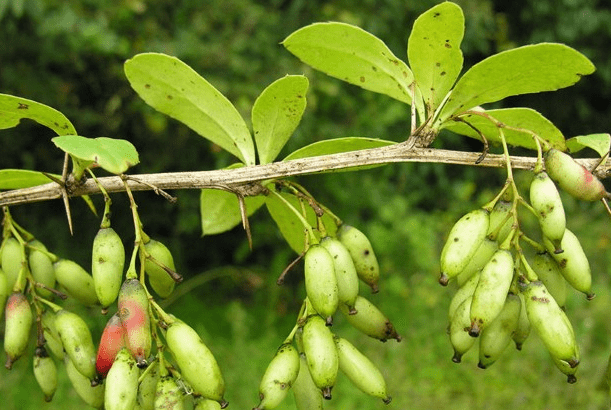
Berberine is a bioactive compound extracted from several plants, including Berberis vulgaris (barberry), Hydrastis canadensis (goldenseal), and Coptis chinensis (Chinese goldthread). It belongs to a class of compounds called alkaloids and has been used for centuries in traditional Chinese and Ayurvedic medicine to treat various ailments, particularly infections and gastrointestinal issues.
In modern research, berberine has gained attention for its antimicrobial, anti-inflammatory, and metabolic effects, including potential benefits for blood sugar regulation, cholesterol management, and weight loss.
Berberine is a yellow-colored alkaloid with a bitter taste. Its poor bioavailability means that only a small portion is absorbed into the bloodstream when taken orally. However, once in the body, it exhibits multiple biological effects by interacting with enzymes and signaling pathways at the cellular level, particularly AMP-activated protein kinase (AMPK), often referred to as the body’s “metabolic master switch.”
One of the most well-researched uses of berberine is its ability to lower blood glucose levels in individuals with type 2 diabetes. It works through several mechanisms:
A meta-analysis published in Metabolism (2010) concluded that berberine is comparable to metformin, a first-line diabetes drug, in reducing blood sugar, HbA1c, and fasting insulin levels (Yin et al., 2008).
Another study in the Journal of Clinical Endocrinology & Metabolism (2012) found that berberine significantly reduced blood glucose and triglyceride levels in newly diagnosed type 2 diabetic patients over three months (Zhang et al., 2010).
Berberine has also shown promise in improving lipid profiles and reducing cardiovascular risk factors. It lowers LDL (“bad”) cholesterol and triglycerides while raising HDL (“good”) cholesterol. It appears to work by upregulating LDL receptors in the liver, which enhances the clearance of LDL from the bloodstream.
A study in Phytomedicine (2012) found that berberine supplementation led to significant reductions in total cholesterol and LDL-C, suggesting it may be helpful as a natural alternative or adjunct to statin therapy (Kong et al., 2004).
Because of its effects on AMPK and insulin sensitivity, berberine may help people with metabolic syndrome, a cluster of conditions that includes abdominal obesity, hypertension, and insulin resistance.
In a 12-week clinical trial, obese individuals taking 500 mg of berberine three times per day lost an average of 5 pounds and saw reductions in BMI and waist circumference (Zhao et al., 2008).
Traditionally, berberine has been used to treat bacterial diarrhea, parasites, and gut infections. Its antimicrobial effects extend to bacteria, fungi, viruses, and protozoa. For instance, it is effective against pathogens like E. coli, Candida albicans, and Giardia lamblia.
A study published in The American Journal of Gastroenterology found that berberine significantly shortened the duration of infectious diarrhea in adults (Wang et al., 1991).
Berberine’s broad-ranging effects are largely attributed to its ability to activate AMP-activated protein kinase (AMPK), a crucial enzyme that regulates metabolism. AMPK activation helps the body:
This mechanism makes berberine a potential multi-target agent for treating type 2 diabetes, cardiovascular disease, and obesity.
Berberine is commonly taken in capsule form at a dose of 500 mg, two to three times daily, for a total of 1,000–1,500 mg per day. Because it has a relatively short half-life (about 4 hours), it’s best taken in divided doses throughout the day to maintain stable levels in the bloodstream.
Some formulations include bioenhancers like milk thistle or black pepper extract (piperine) to improve absorption.
While berberine is generally considered safe for short-term use, some individuals may experience mild side effects, including:
Berberine should be used cautiously in combination with other medications, especially those that lower blood sugar or blood pressure, as it can enhance their effects.
Pregnant or breastfeeding women should avoid berberine, as it may cross the placenta or affect infant development.
Berberine may interact with:
Always consult a healthcare provider before combining berberine with prescription medications.
Berberine is a powerful plant-based compound with a wide range of health benefits, particularly for blood sugar regulation, cholesterol reduction, and metabolic health. Backed by traditional use and modern clinical research, it is gaining popularity as a natural supplement for managing type 2 diabetes, metabolic syndrome, and gastrointestinal infections.
However, because of its potent biological activity and potential for drug interactions, it should be used under medical supervision, especially for people on medication or managing chronic conditions.


No account yet?
Create an Account


