



Blog
What Is Ashwagandha And What Are It’s Benefits?

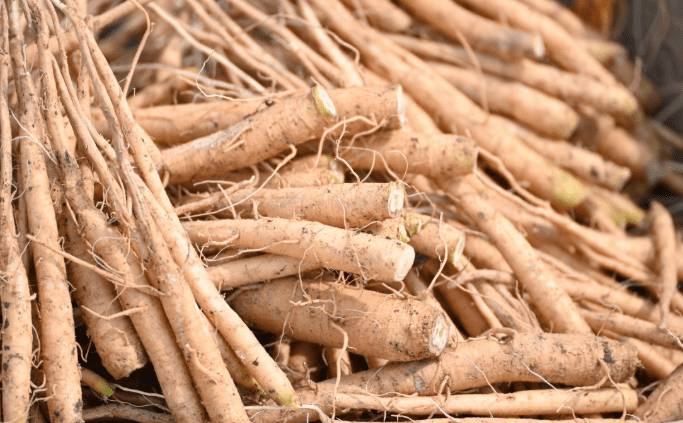
Ashwagandha (Withania somnifera), also known as Indian ginseng or winter cherry, is a revered herb in Ayurvedic medicine used for thousands of years to promote health and vitality. As an adaptogen, ashwagandha helps the body cope with physical and mental stress. It has been widely studied for its benefits in reducing anxiety, improving cognition, enhancing athletic performance, and supporting hormonal balance.
Botanical Background
Ashwagandha is a small shrub with yellow flowers, native to India, North Africa, and parts of the Middle East. Its roots and leaves are used for medicinal purposes. The plant belongs to the nightshade family (Solanaceae). It derives its name from Sanskrit, meaning “smell of the horse,” referring to the herb’s odor and its traditional belief in imparting the strength of a horse.
Traditional Uses in Ayurveda
In Ayurveda, ashwagandha is classified as a Rasayana, a rejuvenative herb that promotes longevity and overall well-being. Historically, it has been used for:
- Enhancing energy and stamina
- Treating insomnia and anxiety
- Supporting male fertility and libido
- Boosting immune function
- Managing arthritis and inflammation (1)
Modern science has begun to validate many of these traditional uses through clinical studies and biochemical research.
Key Bioactive Compounds
Ashwagandha’s therapeutic effects are attributed to a group of natural compounds known as withanolides, which possess anti-inflammatory, anti-tumor, anti-stress, antioxidant, and immunomodulatory properties (2). Other important constituents include alkaloids, saponins, and sitoindosides.
Evidence-Based Health Benefits
1. Stress and Anxiety Reduction
One of ashwagandha’s most well-known uses is stress and anxiety management. Several human studies have demonstrated its adaptogenic properties.
A 2012 randomized controlled trial found that individuals taking 300 mg of ashwagandha root extract twice daily for 60 days had significantly lower levels of cortisol, the body’s stress hormone, and reported reduced anxiety and stress levels compared to a placebo group (3).
2. Improved Cognitive Function
Ashwagandha may enhance brain function, memory, and focus. It has neuroprotective effects and may help counter cognitive decline due to aging or stress.
In a 2017 study, healthy adults who took ashwagandha extract showed significant improvements in immediate and general memory, executive function, and attention span after eight weeks (4).
3. Enhanced Physical Performance and Strength
Athletes and active individuals use ashwagandha to improve endurance and strength. Clinical research has supported its ability to boost energy levels and support muscle development.
A 2015 study showed that young men who took 600 mg of ashwagandha root extract daily experienced significantly greater gains in muscle strength and size, improved recovery, and reduced exercise-induced muscle damage (5).
4. Male Fertility and Testosterone Support
Ashwagandha has a long-standing reputation for improving sexual function and fertility, especially in men. It may enhance testosterone levels and improve sperm quality.
A 2013 clinical study found that infertile men who supplemented with ashwagandha experienced a significant increase in sperm count, motility, and serum testosterone levels (6).
5. Anti-Inflammatory and Immune Support
Ashwagandha exhibits strong anti-inflammatory properties due to its withanolide content. It may reduce markers of inflammation, such as C-reactive protein (CRP).
Additionally, it appears to modulate the immune response, making it potentially useful for supporting overall immune health and reducing the risk of chronic inflammatory diseases (7).
6. Blood Sugar and Cholesterol Regulation
Ashwagandha may help lower blood sugar in both healthy individuals and people with diabetes. It can also improve lipid profiles by reducing LDL cholesterol and triglycerides while increasing HDL cholesterol (8).
Dosage and Forms
Ashwagandha is available in various forms, including:
- Capsules or tablets
- Powder (traditionally mixed with milk or honey)
- Liquid extracts
- Tea blends
Typical dosages range from 300 to 600 mg of root extract per day, often standardized to contain 5% withanolides. For general stress reduction, a twice-daily dose of 300 mg is commonly used in studies.
Safety and Side Effects
Ashwagandha is generally well tolerated when taken in recommended dosages. Mild side effects may include:
- Digestive upset
- Drowsiness
- Headache
People with autoimmune diseases, thyroid disorders, or those taking sedatives or immunosuppressive drugs should consult a healthcare provider before using ashwagandha.
It is also not recommended during pregnancy due to potential uterine stimulation.
Ashwagandha in Modern Supplements
Due to its popularity, many health products now feature ashwagandha as a key ingredient, especially those targeting stress relief, sleep, and cognitive support. Brands often use KSM-66 or Sensoril, two patented and clinically studied forms of standardized ashwagandha extract.
Conclusion
Ashwagandha is a time-tested herbal remedy that offers a wide range of benefits for physical, mental, and emotional well-being. Its adaptogenic nature makes it a valuable addition to modern wellness routines, whether used to reduce stress, enhance cognition, or support hormonal balance.
With increasing scientific validation and widespread availability, ashwagandha continues to bridge the gap between traditional herbal wisdom and contemporary health needs.
References
- Tandon, N., & Yadav, S. S. (2020). Contributions of Indian Council of Medical Research (ICMR) in the field of Medicinal Plants. Indian Journal of Medical Research, 151(2), 99–114.
- Mirjalili, M. H., Moyano, E., Bonfill, M., Cusido, R. M., & Palazon, J. (2009). Steroidal lactones from Withania somnifera, an ancient plant for novel medicine. Molecules, 14(7), 2373–2393.
- Chandrasekhar, K., Kapoor, J., & Anishetty, S. (2012). A prospective, randomized double-blind, placebo-controlled study of safety and efficacy of a high-concentration full-spectrum extract of ashwagandha root in reducing stress and anxiety in adults. Indian Journal of Psychological Medicine, 34(3), 255–262.
- Choudhary, D., Bhattacharyya, S., & Bose, S. (2017). Efficacy and safety of ashwagandha root extract in improving memory and cognitive functions. Journal of Dietary Supplements, 14(6), 599–612.
- Wankhede, S., Langade, D., Joshi, K., Sinha, S. R., & Bhattacharyya, S. (2015). Examining the effect of Withania somnifera supplementation on muscle strength and recovery. Journal of the International Society of Sports Nutrition, 12(1), 43.
- Mahdi, A. A., et al. (2013). Withania somnifera improves semen quality by regulating reproductive hormone levels and oxidative stress in infertile men. Evidence-Based Complementary and Alternative Medicine, 2013.
- Gupta, A., et al. (2014). Effect of Withania somnifera on immune function: A systematic review. Phytotherapy Research, 28(4), 499–510.
- Andallu, B., & Radhika, B. (2000). Hypoglycemic, diuretic and hypocholesterolemic effect of Withania somnifera, root in non-insulin dependent diabetes mellitus. Journal of Ethnopharmacology, 70(1), 9–15.


