


$19.99


$19.99

$23.99

$23.99

$19.99

$19.99
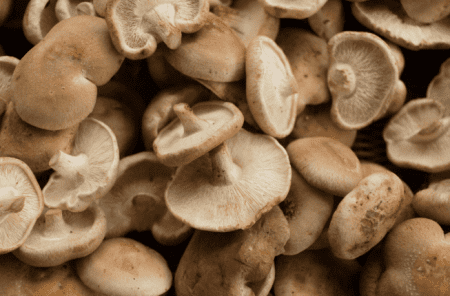
Shiitake mushrooms (Lentinula edodes) are among the most popular and widely consumed edible mushrooms in the world. Known for their rich umami flavor and distinctive meaty texture, they are native to East Asia and have been cultivated for centuries for both culinary and medicinal purposes. Today, they are enjoyed in a variety of dishes across the globe and are studied for their potential health benefits.
Shiitake mushrooms are native to countries such as China, Japan, and Korea, where they have been cultivated for over 1,000 years. The name “shiitake” is derived from the Japanese words “shii” (referring to the shii tree, a type of oak) and “take” (meaning mushroom), as they naturally grow on decaying hardwood trees like shii, oak, chestnut, and beech.
Traditional cultivation involves inoculating hardwood logs with shiitake spores and allowing them to grow under carefully controlled conditions. Modern commercial production often uses sawdust or other wood-based substrates in controlled environments, allowing for more efficient and consistent yields (Royse et al., 2017).
Shiitake mushrooms are prized in the culinary world for their deep, savory flavor, often described as “umami,” which enhances a wide range of dishes. When cooked, they develop a tender yet chewy texture that complements stir-fries, soups, stews, risottos, and sauces. In Asian cuisines, they are commonly found in miso soup, ramen, and hot pot dishes.
Fresh shiitake mushrooms are typically dark brown and have caps measuring 5–10 cm in diameter. They are also available dried, which intensifies their flavor. Rehydrating dried shiitakes before use not only restores their texture but also releases a rich broth often used in cooking.
Shiitake mushrooms are low in calories but rich in essential nutrients. A 100-gram serving of cooked shiitake mushrooms provides approximately:
They are also a good source of polysaccharides, particularly beta-glucans, which are known to support immune function and have anti-inflammatory properties (Roupas et al., 2012).
Shiitake mushrooms have a long history of use in traditional medicine, especially in Chinese and Japanese practices. Modern scientific research supports some of these traditional uses and has revealed several health-promoting compounds.
For most people, shiitake mushrooms are safe to eat when cooked properly. However, raw or undercooked food can cause a rare skin reaction called “shiitake dermatitis,” characterized by a rash resembling whiplash marks. This is believed to be triggered by lentinan and usually resolves without treatment (Kow et al., 2015).
People with mushroom allergies or compromised immune systems should consult a healthcare provider before consuming large amounts of shiitake mushrooms, especially in supplement form.
Shiitake mushrooms are a flavorful and nutritious addition to the diet, celebrated for their culinary versatility and potential health benefits. With a rich cultural history and increasing scientific interest, they occupy a unique position at the intersection of food and medicine. Whether enjoyed in a stir-fry or studied in a laboratory, shiitake mushrooms continue to fascinate and nourish people worldwide.
References


No account yet?
Create an Account