



$19.99


$19.99

$23.99

$23.99

$19.99

$19.99
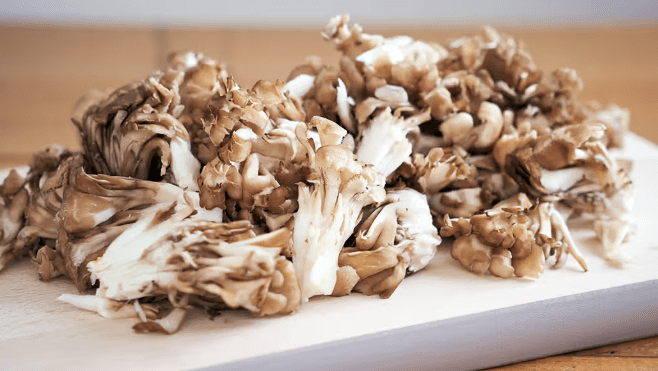
Maitake mushrooms (Grifola frondosa), also known as “hen-of-the-woods,” are a polypore fungus native to the northeastern regions of Japan, China, and North America. Known for their impressive size, overlapping fronds, and earthy flavor, Maitake mushrooms have been prized as a culinary delight and for their medicinal properties for centuries. In recent years, they’ve garnered attention from researchers and health enthusiasts alike for their potential immune-boosting and anti-cancer properties.
Maitake mushrooms typically grow at the base of oak, elm, and maple trees, appearing as large clusters of grayish-brown, ruffled caps. Each fruiting body can weigh several pounds—some have even been recorded as over 50 pounds in the wild. The name “Maitake” means “dancing mushroom” in Japanese. According to folklore, people danced joyfully upon finding it due to its rarity and value.
Unlike many edible mushrooms that fruit annually, Maitake is perennial and can continue to grow in the same spot year after year. It is a saprophytic fungus, meaning it feeds on decomposing organic matter, helping to recycle nutrients in forest ecosystems.
In Traditional Chinese Medicine (TCM) and Japanese Kampo, Maitake has been used for centuries to support health and vitality. It has been traditionally consumed to treat hypertension and diabetes and to enhance immune function. Its mild, nutty flavor and meaty texture make it a culinary favorite, often used in soups, stir-fries, and hotpots.
The health benefits attributed to Maitake mushrooms come from their rich array of bioactive components, including:
The most well-studied benefit of Maitake mushrooms is their impact on the immune system. Maitake contains beta-glucans that activate immune cells such as macrophages, dendritic cells, T-cells, and natural killer (NK) cells. These immune responses can enhance the body’s defense mechanisms against infections and possibly tumors [1].
Several in vitro and animal studies have shown that Maitake extracts, especially the D-fraction, have anti-tumor properties. One study published in the Annals of the New York Academy of Sciences found that Maitake D-fraction stimulated immune responses and inhibited tumor growth in mice [2]. A small human clinical trial also showed that patients with breast cancer and other malignancies experienced enhanced immune activity after taking Maitake extract [3].
While promising, it’s important to note that Maitake is not a substitute for conventional cancer treatments. Its role may be best as an adjunct to existing therapies.
Research indicates that Maitake may help regulate blood sugar levels. In diabetic mouse models, Maitake extract improved insulin sensitivity and reduced blood glucose levels [4]. This effect is thought to be due to its ability to enhance glucose metabolism and influence insulin signaling.
Maitake has also shown promise in reducing cholesterol and improving lipid profiles. Animal studies suggest that Maitake can lower total cholesterol, LDL (bad cholesterol), and triglycerides while increasing HDL (good cholesterol) levels [5]. These effects are likely linked to its fiber and antioxidant content.
Preliminary studies indicate that Maitake may have antimicrobial properties. Some extracts have demonstrated activity against certain viruses and bacteria, though more research is needed to confirm these effects in humans.
Beyond its medicinal properties, Maitake is a highly versatile culinary mushroom. Its firm texture and savory flavor make it a favorite in gourmet cooking. It can be roasted, grilled, sautéed, or added to stews, pasta, and risottos. Unlike many delicate mushrooms, Maitake holds up well to cooking without losing its structure or taste.
Maitake is available as a fresh or dried mushroom and in capsules, tinctures, powders, and standardized extracts. Therapeutic doses vary depending on the formulation, but standardized extracts like D-fraction are typically dosed between 20 to 40 mg daily in research settings.
When using whole mushroom powders, 1 to 3 grams per day is a common supplemental range. Always follow the manufacturer’s instructions and consult a healthcare provider before starting any new supplement, especially if you have a chronic illness or are taking medications.
Maitake mushrooms are generally considered safe when consumed as food or in supplement form. However, some individuals may experience mild side effects such as digestive upset or allergic reactions. People with autoimmune diseases or those taking immunosuppressive drugs should use caution, as Maitake may stimulate immune activity. It may also affect blood sugar, so diabetics should monitor glucose levels closely.
Maitake mushrooms are more than just a flavorful ingredient—they’re a powerhouse of nutrition and traditional medicine. Modern research is beginning to validate many of the health claims associated with Maitake, especially in areas like immune support, cancer adjunct therapy, and metabolic regulation. While more large-scale human studies are needed, current evidence suggests that Maitake can be a valuable addition to your diet and wellness routine.


No account yet?
Create an Account


