


$19.99


$19.99

$23.99

$23.99
$19.99

$19.99
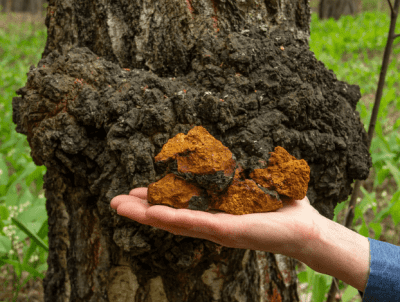
Chaga mushrooms (Inonotus obliquus) are parasitic fungi that primarily grow on birch trees in cold climates such as Siberia, northern Canada, Alaska, and parts of northern Europe. Unlike most mushrooms, Chaga does not resemble a traditional cap-and-stem fungus. Instead, it forms a hard, blackened, and irregularly shaped mass on the side of birch trees, often mistaken for burnt wood or charcoal. Revered for centuries in traditional medicine, Chaga has recently gained widespread attention for its potential health benefits.
Chaga is technically not an actual mushroom but a sclerotium—a hardened mass of mycelium that forms on the bark of host trees. Its outer surface is black and crusty due to high melanin content, while the interior is a rich golden-brown. Chaga thrives in cold environments, which can take several years to mature. It grows slowly by feeding on the tree’s nutrients, and while it can live symbiotically for years, it eventually kills its host tree.
Chaga has a long history of use in folk medicine across northern cultures, including Siberian, Russian, and Scandinavian traditions. It has been used to treat various ailments, including gastrointestinal, tuberculosis, inflammation, and cancer. The Khanty people of Siberia brewed Chaga as a tea, while in Russia, it was traditionally used as a treatment for tumors and digestive problems.
The use of Chaga was documented in Russian texts in the 16th century. It gained additional attention in the 1950s after being discussed in Aleksandr Solzhenitsyn’s novel Cancer Ward, which helped popularize its use as a cancer folk remedy.
Chaga is a nutrient-dense fungus, rich in several bioactive compounds that may contribute to its purported health benefits:
Chaga is best known for its potent antioxidant content. It contains high levels of superoxide dismutase (SOD), melanin, and polyphenols, which help protect the body from oxidative stress. Oxidative damage has been linked to chronic diseases such as cancer, cardiovascular disease, and neurodegeneration [1]. One study found Chaga extract to have one of the highest antioxidant potentials among medicinal mushrooms [2].
Chaga polysaccharides, particularly beta-glucans, may help modulate the immune system. These compounds can stimulate the activity of white blood cells like macrophages and natural killer (NK) cells, enhancing the body’s defense mechanisms against pathogens [3].
Early laboratory studies have shown promising anti-cancer properties. Compounds in Chaga, such as betulinic acid and triterpenoids, have been shown to inhibit the growth of cancer cells in vitro and induce apoptosis (programmed cell death) [4]. Animal studies have also reported tumor-suppressing effects, particularly in breast, colon, and liver cancer models [5]. However, these findings are preliminary, and robust human clinical trials are still needed.
Chaga may reduce inflammation through its high antioxidant content and anti-inflammatory compounds. A study published in Bioorganic & Medicinal Chemistry Letters found that Chaga extracts significantly inhibited inflammatory markers in immune cells [6], suggesting potential in managing conditions like arthritis, inflammatory bowel disease, and autoimmune disorders.
Several animal studies have indicated that Chaga may help lower blood sugar and improve insulin sensitivity, which could benefit people with diabetes [7]. Other studies have suggested improvements in lipid profiles, such as lowering LDL cholesterol and triglycerides while increasing HDL levels [8].
Chaga is most commonly consumed as a tea made by steeping the dried fungus in hot water for extended periods. It is also available in capsules, powders, tinctures, and extracts. There is no universally recommended dose, but many supplements standardize extracts to contain specific percentages of polysaccharides or betulinic acid.
A typical dose of chaga extract ranges from 500 mg to 1,000 mg per day, but higher doses may be used under supervision in clinical settings. It’s always best to consult a healthcare provider before starting any new supplement.
Chaga is generally considered safe when consumed in moderate amounts. However, there are some precautions to consider:
Chaga mushrooms offer a unique combination of historical use, nutritional richness, and scientific promise. Though much of the research is still in early stages, Chaga has shown potential in supporting immunity, reducing inflammation, protecting against oxidative stress, and possibly inhibiting tumor growth. Whether consumed as a tea or taken as a supplement, Chaga continues to capture the interest of researchers and health-conscious consumers alike. As always, it’s wise to consult a healthcare provider to determine whether Chaga is appropriate for your health needs.


No account yet?
Create an Account