


$19.99


$19.99

$23.99

$23.99

$19.99

$19.99
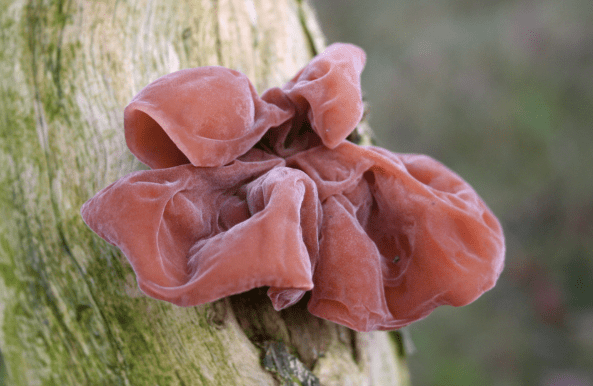
Wood Ear mushrooms, scientifically known as Auricularia auricula-judae, are a distinctive species of edible fungi prized in Asian cuisine and traditional medicine. Also called black fungus, tree ear, or cloud ear, these mushrooms are named for their unique ear-like shape and rubbery texture. Found growing naturally on decaying wood, especially elder trees, Wood Ear mushrooms have been used for centuries for their culinary versatility and medicinal benefits. In recent years, scientific interest has grown around their bioactive compounds, confirming many of their traditional uses.
Wood Ear mushrooms belong to the Auriculariaceae family. They are jelly fungi, known for their soft, gelatinous, and slightly crunchy texture. Typically brown to dark black, they resemble a curled human ear and range from 3 to 10 cm in diameter. These mushrooms thrive in moist, temperate environments and are most commonly found on fallen or dead hardwood trees.
Culinarily, Wood Ear mushrooms are a staple in Chinese, Japanese, Korean, and Southeast Asian cuisines. They are frequently used in soups, stir-fries, and salads, appreciated more for their texture than their mild flavor. In dried form, they can be stored for long periods and rehydrated when needed.
In traditional Chinese medicine (TCM), Wood Ear mushrooms have been used for over a thousand years. They are believed to promote blood circulation, improve respiratory health, and support digestive function. They are also thought to have anti-inflammatory, anti-aging, and detoxifying properties.
According to the Compendium of Materia Medica, a Ming Dynasty pharmacopoeia by Li Shizhen, Auricularia was used to “nourish the lungs” and “enrich the blood,” making it a popular remedy for coughs and weakness associated with lung disorders.
Wood Ear mushrooms offer a rich nutritional profile and a range of biologically active compounds:
These compounds contribute to the various health-promoting properties attributed to Auricularia auricula-judae (Nguyen et al., 2012).
One of the most well-documented benefits of Wood Ear mushrooms is their role in cardiovascular health. They contain natural anticoagulants and fibrinolytic enzymes that may help prevent blood clot formation, potentially reducing the risk of thrombosis, stroke, and heart attacks (Zhang et al., 2014). Moreover, the mushrooms’ high fiber content can help lower LDL (bad) cholesterol and improve lipid profiles.
Like many medicinal mushrooms, Auricularia species have immunomodulatory effects. Beta-glucans and other polysaccharides in Wood Ear mushrooms stimulate immune responses by activating macrophages, T-cells, and natural killer cells. A study by Liu et al. (2010) found that polysaccharides from Auricularia auricula-judae enhanced immune function in mice by promoting spleen and thymus development and increasing cytokine production.
Wood Ear mushrooms possess potent antioxidant properties due to their phenolic content. These compounds help neutralize free radicals, reducing oxidative stress contributing to aging and chronic diseases such as diabetes and cancer (Chen et al., 2015). Their anti-inflammatory effects may also aid in managing arthritis, asthma, and inflammatory bowel conditions.
Thanks to their high dietary fiber content, Wood Ear mushrooms support gastrointestinal health by promoting regular bowel movements and nourishing beneficial gut bacteria. Additionally, they may help regulate blood sugar levels and prevent insulin resistance. A study by Xu et al. (2012) indicated that diabetic mice fed Auricularia polysaccharides experienced lower blood glucose and improved insulin sensitivity.
Traditional medicine often recommends Wood Ear mushrooms for detoxification and liver support. Their polysaccharides have shown hepatoprotective effects in animal models, protecting liver cells from damage caused by toxins or oxidative stress (Tang et al., 2011). While these findings are promising, human trials are still needed to substantiate these effects.
Wood Ear mushrooms are available fresh or dried in most Asian grocery stores. To prepare dried Wood Ear, soak them in warm water for 15–30 minutes until they rehydrate and expand significantly. After washing, rinse thoroughly to remove any residual dirt or debris.
They can then be sliced and added to stir-fries, soups, and salads. Because of their gelatinous texture and ability to absorb flavors, they work well in both savory and spicy dishes.
Wood Ear mushrooms are generally safe for most people when consumed as food. However, due to their blood-thinning properties, people taking anticoagulant medications such as warfarin should consult a healthcare provider before consuming large amounts.
There have also been rare reports of foodborne illness linked to contaminated or improperly stored dried mushrooms. Therefore, it is essential to purchase from reputable sources and follow proper storage guidelines.
Wood Ear mushrooms (Auricularia auricula-judae) are more than just a culinary curiosity; they are a nutritionally dense and medicinally valuable fungus with centuries of use in traditional medicine. Their unique texture and mild flavor make them a versatile addition to many dishes. At the same time, their health benefits—ranging from cardiovascular protection to immune support and antioxidant activity—are increasingly supported by modern research. As interest in functional foods and natural remedies continues to rise, Wood Ear mushrooms stand out as a time-tested and scientifically promising option.


No account yet?
Create an Account