



$19.99


$19.99

$23.99

$23.99

$19.99

$19.99
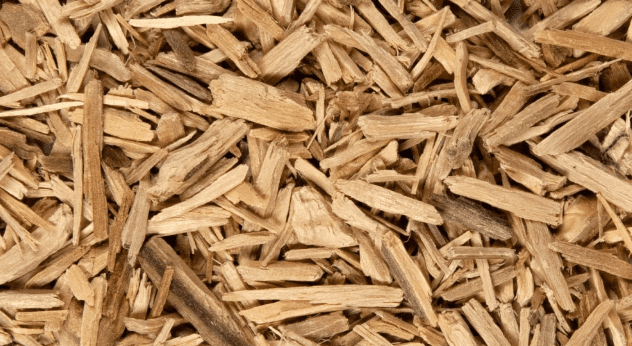
Muira puama (Ptychopetalum olacoides) is a small, shrubby tree native to the Amazon rainforest, particularly in Brazil. Long revered in traditional Amazonian and Brazilian herbal medicine, this plant is popularly known as “potency wood” for its historical use as an aphrodisiac and nerve tonic. Today, muira puama has gained global attention as a natural supplement for enhancing libido, reducing stress, and potentially supporting cognitive health.
Despite its growing popularity, many remain unfamiliar with its origins, chemical makeup, and potential benefits. This article explores muira puama, its use, and what science says about its medicinal properties.
Muira puama belongs to the Olacaceae family and grows in the Brazilian Amazon and other South American countries. The name “muira puama” is derived from the Tupi language of Indigenous Brazilians, roughly translating to “wood of strength.” The plant grows up to 15 feet tall, and its bark and roots are used medicinally.
Traditional uses by Indigenous tribes and Brazilian herbalists date back centuries, and they include treatment for sexual dysfunction, fatigue, neuromuscular problems, gastrointestinal issues, and rheumatism (Revuelta et al., 2000).
Historically, the bark and root of muira puama were steeped in alcohol or water to create tinctures or decoctions. It was used both internally as a tonic and externally as a massage solution for sore muscles and joints.
Today, muira puama is commonly available in the form of capsules, tinctures, teas, or standardized extracts. It is most often marketed for:
Muira puama contains a variety of active phytochemicals believed to be responsible for its medicinal effects, including:
The exact mechanisms of action are still under investigation, but these compounds appear to influence the central nervous system, particularly the dopamine and adrenergic systems, contributing to their energizing and libido-enhancing effects.
One of the most well-known traditional uses of muira puama is as an aphrodisiac. A clinical study conducted by Waynberg (1990) found that a muira puama extract improved sexual desire in 62% of men with low libido and improved erectile function in 51% of participants. These results, although promising, were from a relatively small, uncontrolled trial and should be interpreted cautiously.
The mechanism may involve increased blood flow and stimulation of the hypothalamus, the part of the brain that regulates arousal and hormonal activity (Berger et al., 2000).
For women, Muira puama has been studied in combination with other herbs. A study published in Advances in Therapy found that a formula containing muira puama and ginkgo biloba improved sexual desire, satisfaction, and ability to orgasm in menopausal women (Waynberg & Brewer, 2000).
Traditionally used as a nervine tonic, muira puama has shown adaptogenic-like properties, helping the body adapt to stress. Animal studies suggest that it may reduce anxiety and improve cognitive performance, possibly by modulating neurotransmitters such as dopamine and norepinephrine (Piato et al., 2010).
In preclinical research, muira puama extracts improved memory retrieval and learning performance in aged rats, suggesting a neuroprotective potential (Nascimento et al., 2005).
The energizing effects of muira puama are believed to result from its action on the central nervous system. Traditionally, it was used to treat physical and mental fatigue. Users often report increased mental clarity and endurance without the jittery effects of caffeine.
Some herbalists compare it to ginseng in its ability to promote stamina and recovery from exhaustion.
Muira puama is generally considered safe when used in appropriate doses. Reported side effects are rare but may include:
Due to its potential hormonal and stimulant-like effects, individuals with cardiovascular disease, hormone-sensitive conditions, or pregnant and breastfeeding women should consult a healthcare provider before use.
There is limited data on long-term use or interactions with medications, so caution is advised, especially for people taking blood pressure or hormone-modulating drugs.
Typical dosages vary depending on the form:
It is often taken in combination with other herbs, such as ginseng, maca, or ginkgo, for enhanced effects, especially in energy and libido formulas.
Muira puama, the “potency wood” of the Amazon, is a potent herbal ally with centuries of traditional use for enhancing sexual health, reducing fatigue, and supporting the nervous system. Although more rigorous clinical studies are needed to fully validate its efficacy, early research and traditional wisdom point to a promising natural remedy for both men and women.
As interest in herbal medicine grows, Muira puama represents a fascinating example of how Indigenous knowledge and modern science can intersect. Whether you’re seeking a boost in energy, libido, or cognitive clarity, muira puama may be worth exploring, with appropriate guidance.


No account yet?
Create an Account


