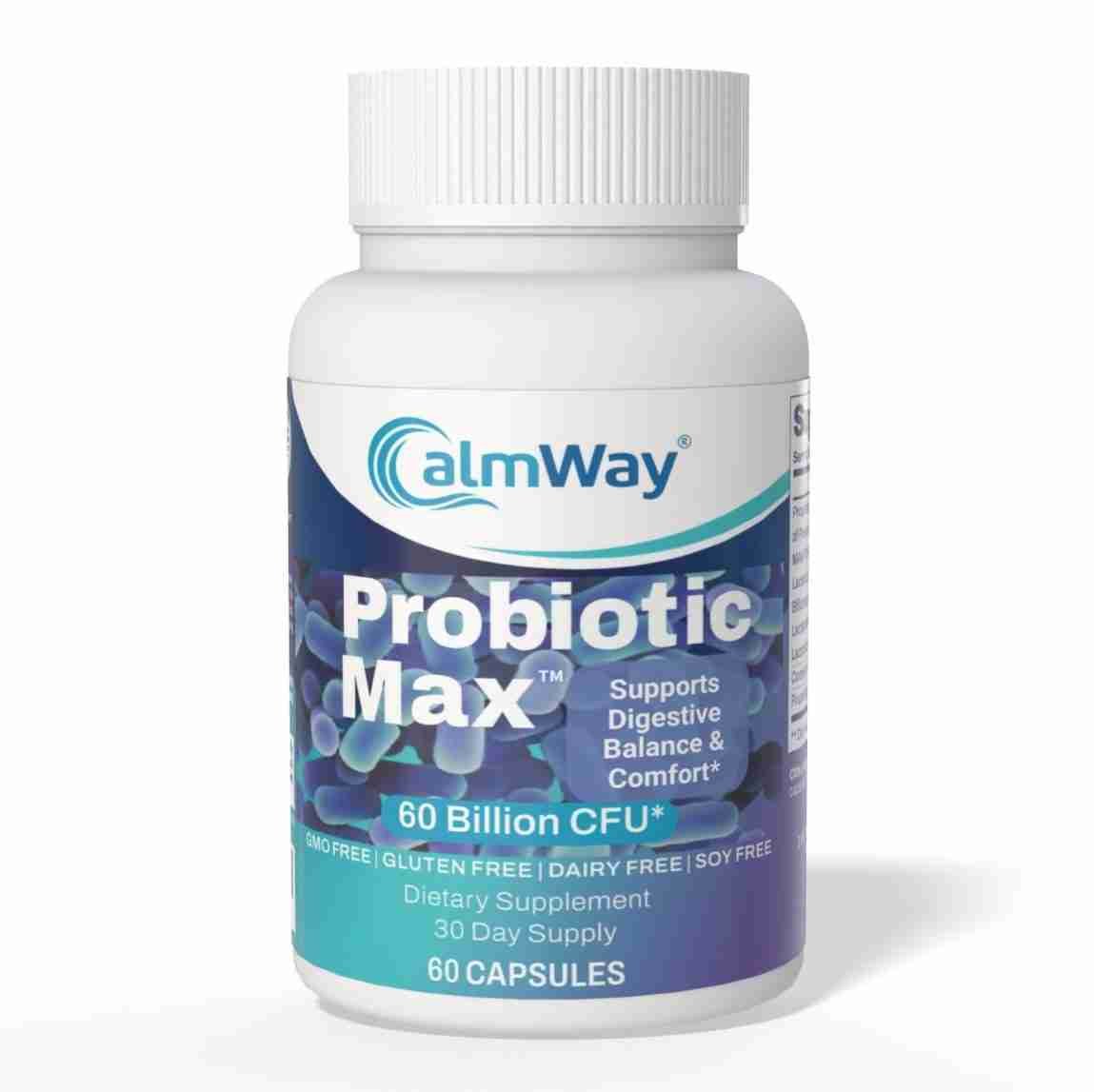


$19.99


$19.99

$23.99
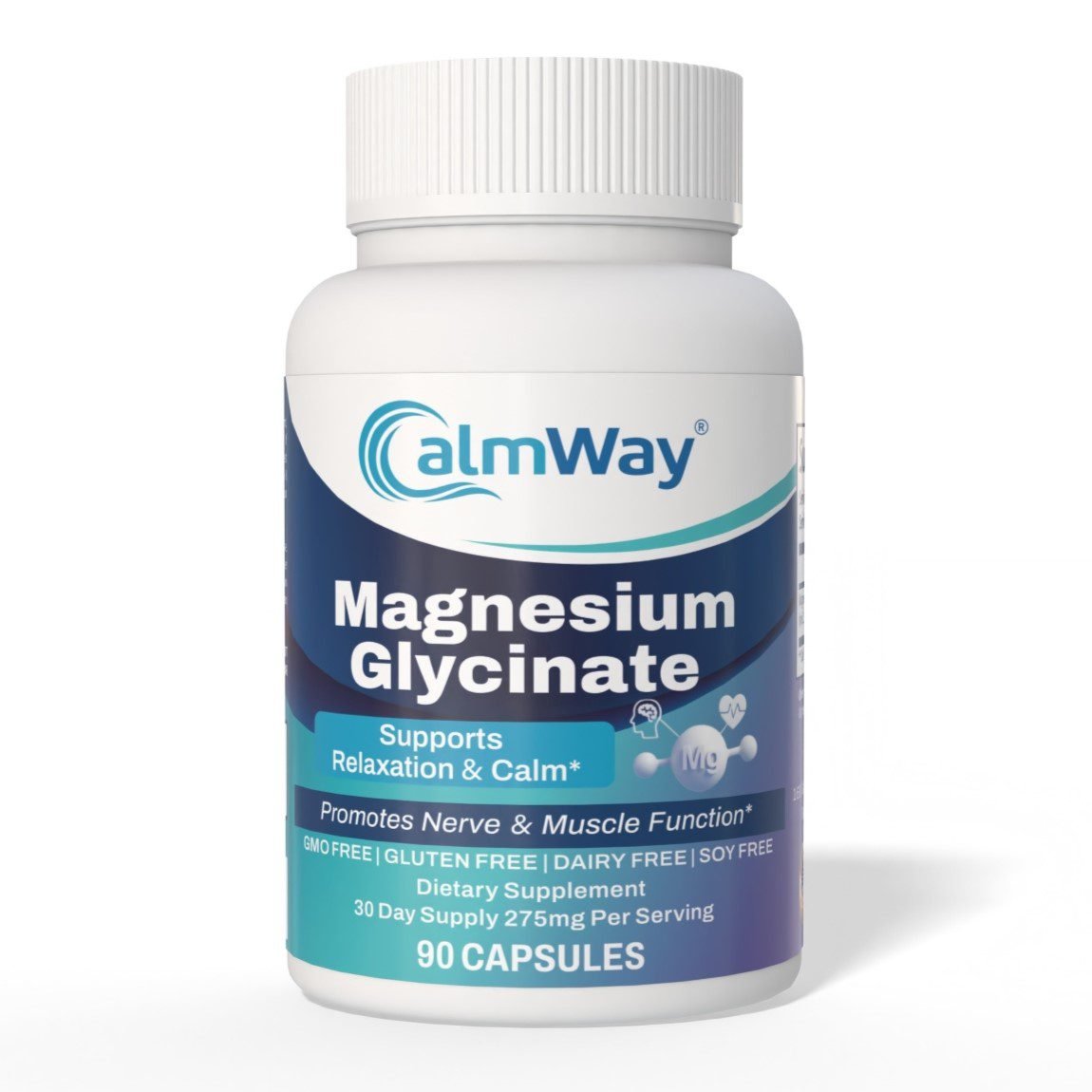
$23.99
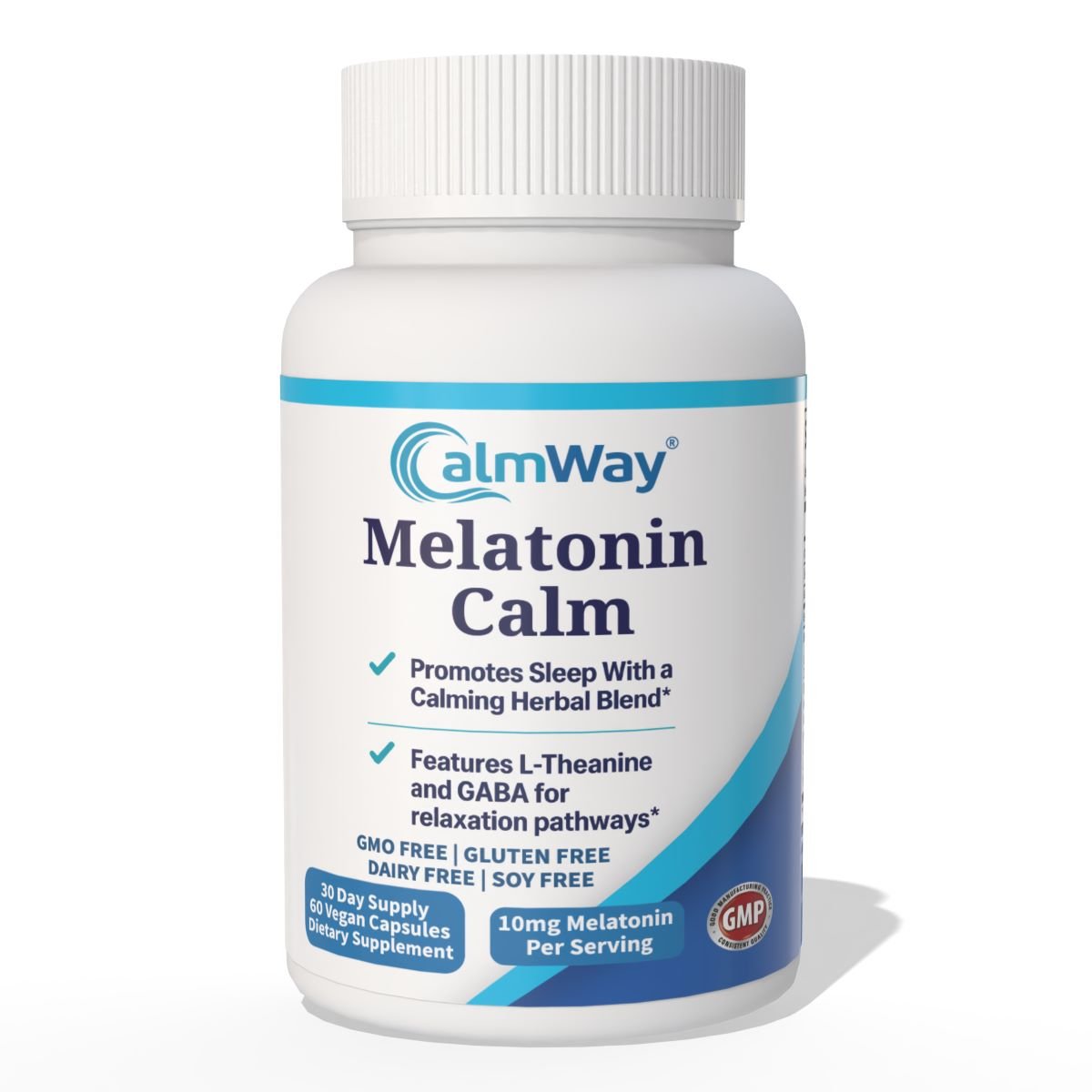
$19.99
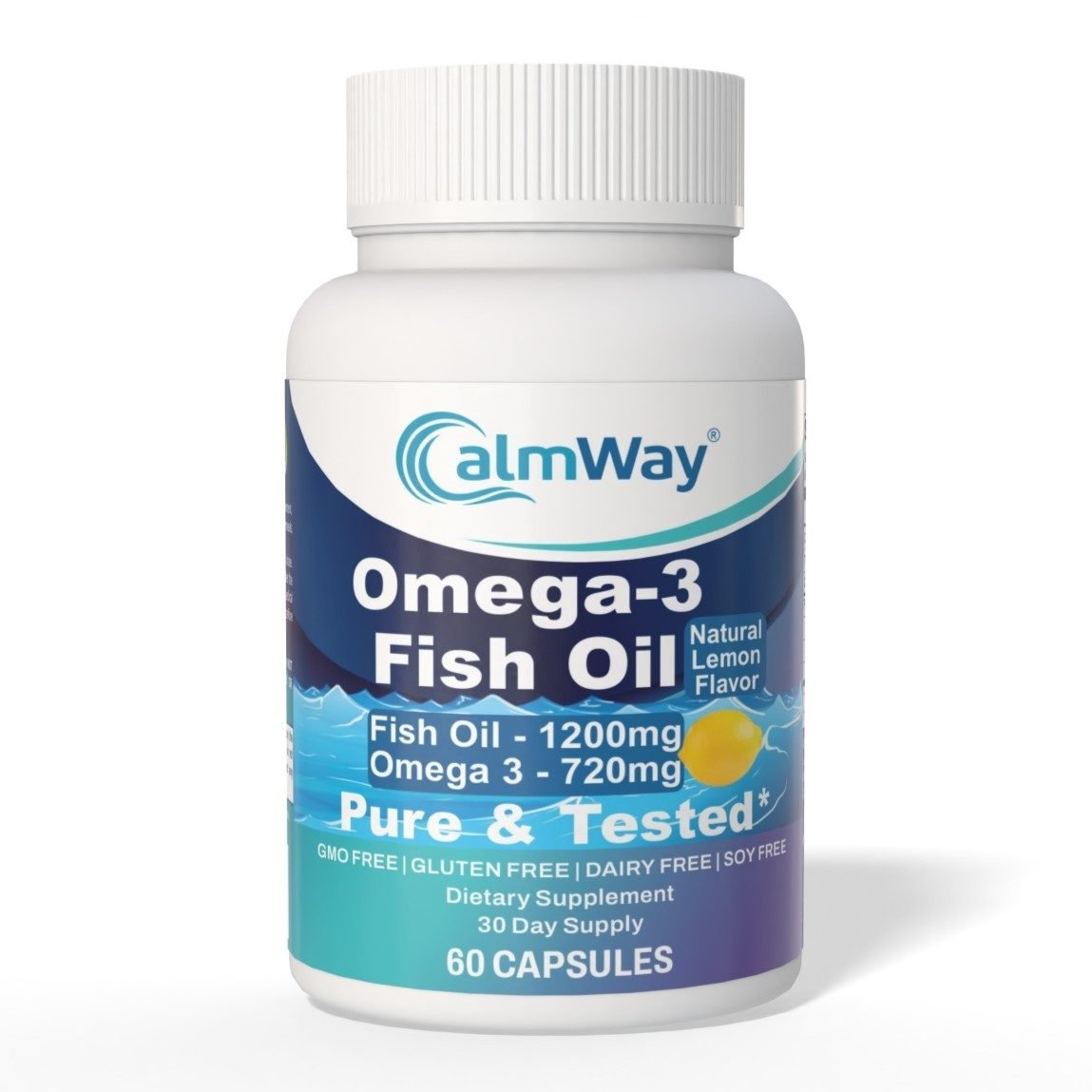
$19.99
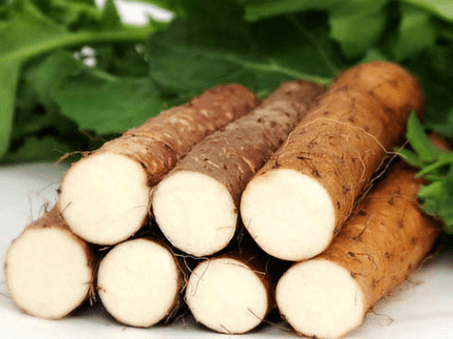
Wild yam (Dioscorea villosa) is a perennial vine native to North America, particularly the southeastern United States. Known for its twisted, woody root and heart-shaped leaves, wild yam has been used for centuries in traditional medicine to treat various ailments. Often associated with women’s health due to its supposed estrogen-like effects, wild yam continues to be researched and utilized in herbal medicine today.
Though often confused with sweet potatoes or edible yams, wild yam is a distinct species, primarily valued for its medicinal rather than culinary uses.
Wild yam belongs to the genus Dioscorea, which includes over 600 species of yams. Unlike the edible yams grown in Africa and Asia, Dioscorea villosa is a wild species traditionally used by Native American tribes to treat menstrual cramps, inflammation, and digestive disorders (Moerman, 1998).
The root, or rhizome, of the plant is the primary part used in herbal preparations. It contains a key compound called diosgenin, a steroidal saponin that has been of particular interest in hormone-related research and supplement manufacturing.
Historically, Native American tribes such as the Cherokee and Delaware used wild yam root to relieve labor pains, colic, and inflammation. In the 18th and 19th centuries, herbalists referred to it as “colic root” for its effectiveness in treating gastrointestinal issues and abdominal cramping (Mills & Bone, 2000).
By the 20th century, wild yam became associated with hormone balance, primarily due to diosgenin’s similarity to human steroid hormones.
Diosgenin is the most studied phytochemical in wild yam. In the 1940s, scientists discovered that diosgenin could be chemically converted into progesterone and other corticosteroids in laboratory settings (Marker et al., 1940). This breakthrough allowed for the mass production of synthetic hormones used in contraceptives and hormone replacement therapy (HRT).
It is crucial to note, however, that the human body cannot convert diosgenin into hormones on its own. This conversion must be performed in a laboratory. Despite this, wild yam supplements are often marketed as natural alternatives to estrogen or progesterone therapy, although scientific evidence supporting these claims is limited (Zava et al., 2004).
Wild yam is frequently included in herbal formulas aimed at alleviating symptoms of PMS, menstrual cramps, and menopause (e.g., hot flashes and mood swings). While many users report subjective improvement, clinical trials have not definitively confirmed these benefits. A 2001 study found that wild yam cream had no significant estrogenic effect on postmenopausal women compared to a placebo (Komesaroff et al., 2001).
Some studies suggest wild yam may reduce inflammation and be beneficial in treating conditions like arthritis. In vitro research has shown that diosgenin can inhibit inflammatory mediators, though more human studies are needed (Zhou et al., 2006).
Historically used to treat colic and irritable bowel symptoms, wild yam is thought to relax smooth muscles in the gastrointestinal tract. While clinical research is sparse, it remains a common ingredient in herbal digestive tonics.
Diosgenin has shown promise in lowering cholesterol levels and providing antioxidant effects in animal models (Son et al., 2007). However, human trials are needed to confirm these effects.
Wild yam is available in multiple forms:
There is no standardized dosage, but common amounts in supplements range from 100 to 200 mg of wild yam extract per serving. Topical creams often contain 10–20% extract.
It is important to consult a healthcare provider before starting wild yam, especially for hormone-sensitive conditions or if taking hormone medications.
Wild yam is generally considered safe when used appropriately. However, potential side effects include:
Because of its hormonal associations, wild yam should be avoided during pregnancy, breastfeeding, or by individuals with hormone-related cancers unless under medical supervision.
Furthermore, some commercial wild yam products may contain added synthetic hormones like progesterone, which are not always clearly labeled. Consumers should choose products from reputable manufacturers that disclose all ingredients.
Wild yam is a fascinating plant with a rich history in traditional medicine and a modern reputation in hormone health. While it contains diosgenin—a compound structurally similar to human hormones—there is no evidence that the body can convert it into active hormones naturally.
Although many women use wild yam to manage symptoms of PMS or menopause, the scientific support for these uses remains limited. Still, its potential anti-inflammatory, antispasmodic, and antioxidant properties continue to generate research interest.
As with any herbal remedy, wild yam should be used with informed caution and in consultation with a healthcare professional.


No account yet?
Create an Account