



$19.99


$19.99

$23.99

$23.99

$19.99

$19.99
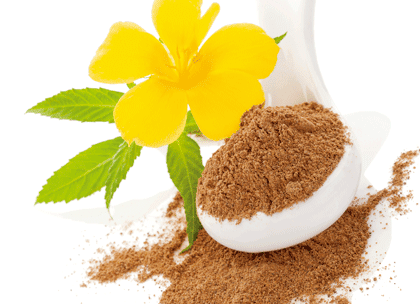
Damiana (Turnera diffusa) is a small, aromatic shrub native to Mexico, Central America, parts of the Caribbean, and the southern United States. Known for its yellow flowers and fragrant leaves, Damiana has been used for centuries by Indigenous peoples for a variety of medicinal purposes, most notably as an aphrodisiac, mood enhancer, and tonic for reproductive and nervous system health.
In recent years, Damiana has regained popularity as a herbal supplement due to its purported ability to enhance sexual function, reduce anxiety, and support hormonal balance. But what does science say about this intriguing plant? This article explores Damiana’s origins, uses, chemistry, and potential benefits.
Damiana belongs to the Turneraceae family, and the botanical name Turnera diffusa or Turnera aphrodisiaca reflects its historical use in promoting sexual wellness. The plant grows to about 2 meters tall and thrives in arid, sunny environments. Its aromatic leaves are the primary component used in herbal medicine, often dried and brewed as a tea or processed into extracts and tinctures.
The ancient Maya and Aztec civilizations were among the first to document the use of Damiana. Traditionally, it was consumed as a tea or smoked to treat conditions such as:
Damiana was also used as a general tonic to improve mood, stamina, and overall vitality.
Damiana contains a variety of active phytochemicals, including:
These compounds are believed to contribute to Damiana’s effects on the central nervous and reproductive systems (Rojas et al., 1999).
Damiana’s most well-known traditional use is as an aphrodisiac. The plant is believed to increase sexual desire, improve erectile function, and heighten sensitivity, particularly when used over time.
Several animal studies support these claims. A survey conducted by Estrada-Reyes et al. (2009) found that Damiana extract increased sexual activity in sexually sluggish male rats, indicating a potential pro-sexual effect. The mechanism may involve enhanced nitric oxide activity, improved blood flow, or modulation of androgen receptors.
For women, Damiana is sometimes included in herbal blends aimed at improving sexual satisfaction and hormonal balance, especially during menopause. Though anecdotal reports are favorable, human clinical trials are limited.
Damiana has traditionally been used to soothe the nervous system and alleviate symptoms of mild anxiety, depression, and stress. In folk medicine, it was considered a tonic for the “spirit” as much as for the body.
The plant’s flavonoids, particularly apigenin, are known to have anxiolytic (anxiety-reducing) effects in preclinical studies (Viola et al., 1995). Some research suggests that Damiana may influence gamma-aminobutyric acid (GABA) receptors in the brain, similar to how mild sedatives work.
Although more human studies are needed, Damiana’s mood-lifting reputation has contributed to its inclusion in many natural anti-anxiety supplements.
Damiana’s bitter compounds are thought to stimulate digestion and support gastrointestinal function. Traditional uses include treating constipation, indigestion, and sluggish bowel function. It is sometimes taken as a digestive tonic after meals.
Additionally, Damiana has been used to relieve menstrual cramps, regulate cycles, and support hormonal balance in women. Its relaxing effects on smooth muscles may contribute to its benefits for menstrual discomfort, though modern studies are sparse in this area.
Damiana can be used in several forms:
Typical daily doses range from 400–800 mg of dried herb or 2–4 mL of tincture, though recommendations vary by product.
Damiana is generally considered safe for short-term use in moderate doses. However, potential side effects may include:
It should be avoided during pregnancy and breastfeeding, as there is insufficient safety data. People with liver disorders or those taking medications metabolized by the liver should consult a healthcare professional due to possible interactions.
Additionally, excessive doses (well beyond recommended amounts) have been linked to toxic effects, including convulsions, in animal models (de la Peña et al., 2004).
Damiana is a unique and historically significant plant that continues to be valued for its potential in supporting sexual health, mood, and overall vitality. While scientific research is still catching up to traditional claims, early studies support its use as a mild aphrodisiac and nervine tonic.
As interest in plant-based wellness grows, Damiana offers a natural alternative for those seeking support for libido, hormonal balance, and stress management. As with any supplement, it is best used with guidance and moderation.


No account yet?
Create an Account


