


$19.99


$19.99

$23.99
$23.99
$19.99
$19.99
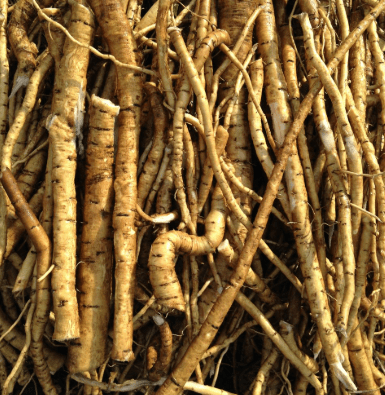
Marshmallow root (Althaea officinalis) is a perennial herb native to Europe, Western Asia, and Northern Africa, long prized for its soothing properties and medicinal benefits. Despite the name, marshmallow root is not the fluffy white treat we associate with campfires, though the candy’s original recipe did include this plant. Instead, marshmallow root is an herbal remedy with a rich history of use in traditional medicine for treating various ailments, from sore throats to digestive issues.
Marshmallow root comes from the marshmallow plant, a member of the Malvaceae family. The plant typically grows in damp, marshy environments, which is how it gets its name. It features soft, velvety leaves and pale pink or white flowers. The roots, rich in mucilage—a gelatinous substance—are harvested and used medicinally.
Mucilage is the key to marshmallow root’s therapeutic action. When mixed with water, this viscous compound coats and soothes mucous membranes in the respiratory, digestive, and urinary tracts, making marshmallow root a popular natural remedy for irritation and inflammation.
Marshmallow root has been used for over 2,000 years. Ancient Egyptians combined it with honey for sore throats, while Greek and Roman physicians recommended it for toothaches, insect bites, and digestive issues.
In traditional Chinese medicine and Ayurveda, marshmallow root was used to treat inflammation, skin disorders, and ulcers. European herbalists used it during the Middle Ages for wound healing and as a remedy for coughs and bronchitis.
One of the most common uses of marshmallow root is to relieve throat irritation and a dry cough. Its mucilage forms a protective layer on the throat lining, which reduces inflammation and discomfort. Several small clinical trials and anecdotal reports support its effectiveness in treating coughs and sore throats [1].
Marshmallow root has been shown to help with digestive disorders such as heartburn, stomach ulcers, and constipation. Its mucilaginous properties can coat the stomach lining, reducing irritation caused by acid and ulcers [2].
A 2010 study published in Pharmaceutical Biology found that marshmallow root extract demonstrated anti-ulcer activity in animal models, suggesting its potential in gastrointestinal protection [3].
Topical preparations of marshmallow root are used to treat dry, irritated skin and minor wounds. It is a demulcent and anti-inflammatory, helping soothe eczema, dermatitis, and insect bites. It can also promote faster healing by keeping wounds moist and reducing inflammation [4].
Marshmallow root may support urinary tract health by acting as a mild diuretic and soothing inflamed tissues. It can be beneficial for those experiencing bladder infections or irritation, although more clinical evidence is needed to fully support these uses [5].
Marshmallow root is available in several forms:
The dosage depends on the form and intended use. As with any herb, it is essential to follow label instructions or consult a healthcare provider.
Marshmallow root is generally considered safe for most people when used appropriately. Side effects are rare but may include:
Pregnant or breastfeeding women and individuals with chronic health conditions should consult a healthcare provider before using marshmallow root.
Although marshmallow root has a long history of traditional use, modern scientific studies are relatively limited. Most evidence comes from small animal studies or anecdotal human use. However, the available research supports its anti-inflammatory, mucoprotective, and soothing effects, which align with its traditional applications.
There is growing interest in using marshmallow root and other mucilaginous herbs as alternatives to synthetic medications, particularly in managing minor symptoms like coughs, sore throats, and mild gastrointestinal discomfort.
Marshmallow root is a time-honored herbal remedy that offers a natural approach to soothing irritation in the throat, digestive tract, and skin. Its main component, mucilage, provides gentle but effective relief from inflammation and irritation. While more research is needed to confirm all of its benefits, marshmallow root remains a popular and widely used herbal medicine with few side effects and a long history of safe use.


No account yet?
Create an Account