



Blog
What Is Buchu (Leaf) And What Are It’s Benefits?

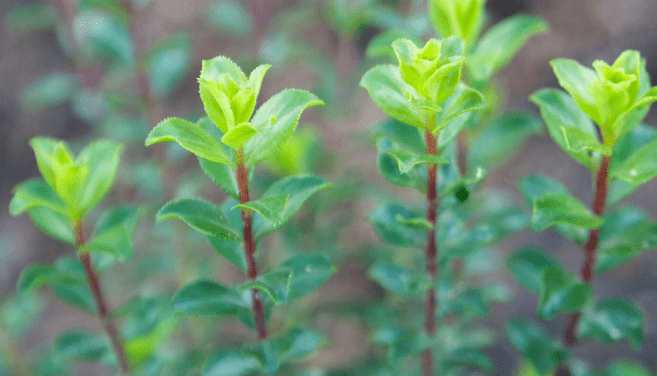
Buchu is a fragrant medicinal plant native to South Africa, widely valued for its therapeutic properties, particularly its leaves. Known scientifically as Agathosma betulina and Agathosma crenulata, the term “buchu” typically refers to the dried leaves used in traditional and modern herbal medicine. With a long history in indigenous healing and growing popularity in global alternative medicine, buchu continues to be studied for its diuretic, antimicrobial, and anti-inflammatory effects.
Botanical Overview
Buchu belongs to the Rutaceae family, which includes citrus plants. It is a small, woody shrub that grows to about 1.5 meters tall. The plant bears glossy, ovate leaves with a strong, distinctive aroma described as a mix of blackcurrant, mint, and rosemary. Small star-shaped flowers, typically white or pale purple, appear in the spring.
There are two main species used medicinally:
- Agathosma betulina: Often referred to as “short-leaf buchu,” it has rounder, more blunt leaves.
- Agathosma crenulata: Known as “long-leaf buchu,” this species has elongated leaves with finely toothed edges.
While both are used in herbal remedies, A. betulina is more potent and commonly used in commercial preparations.
Traditional and Cultural Uses
Buchu has been used for centuries by the Khoisan people of southern Africa. Traditionally, the leaves were chewed for their antiseptic and diuretic properties or made into infusions to treat a range of conditions, including urinary tract infections (UTIs), kidney problems, and digestive issues.
Colonial settlers in the Cape region adopted its use in the 17th century, and by the 19th century, buchu had gained international attention. It was listed in several pharmacopoeias, including the United States Pharmacopeia (USP), and was exported to Europe and North America as a remedy for inflammation, infections, and bladder disorders (van Wyk & Gericke, 2000).
Chemical Composition
The therapeutic potential of buchu lies in its essential oil content and other phytochemicals. Key constituents of buchu leaf oil include:
- Diosphenol (also known as barosma camphor): A phenolic compound with antiseptic properties.
- Isomenthone and pulegone: Monoterpenes that contribute to the oil’s fragrance and biological activity.
- Flavonoids such as hesperidin and rutin are known for their antioxidant and anti-inflammatory effects.
These compounds work synergistically to give buchu its reputed antimicrobial, anti-inflammatory, and diuretic effects (Lis-Balchin et al., 2001).
Medicinal Uses and Research
1. Urinary Tract and Bladder Health
Buchu is best known for supporting urinary tract health. Its diuretic and antiseptic properties help flush bacteria from the urinary system, making it a common ingredient in herbal treatments for UTIs, cystitis, and prostatitis.
In vitro studies have shown that Agathosma betulina extracts are antibacterial against common urinary pathogens such as Escherichia coli and Staphylococcus saprophyticus (Viljoen et al., 2008).
2. Anti-Inflammatory and Antioxidant Effects
Buchu’s flavonoids, including quercetin and rutin, contribute to its anti-inflammatory effects. A study published in Inflammopharmacology (2013) found that buchu extract reduced inflammation markers in animal models, supporting its traditional use for rheumatic and arthritic conditions (Oyedemi et al., 2013).
3. Digestive Health
Traditionally, buchu tea was used to treat indigestion, flatulence, and stomach cramps. Its essential oils are thought to stimulate gastric secretions and relax intestinal muscles.
4. Topical Applications
Due to its antimicrobial properties, buchu oil has also been used topically for minor cuts, insect bites, and skin infections. However, pure oil can be irritating and should be diluted before use.
Modern Applications and Products
Today, buchu is available in various forms, including:
- Herbal teas: Common for detox and urinary support.
- Capsules and tinctures: Standardized for consistent dosing.
- Essential oils: Used in aromatherapy and skin care.
In South Africa, some health drinks and functional beverages are infused with buchu for its flavor and potential wellness benefits.
Safety and Precautions
While generally considered safe when used appropriately, buchu is not free from side effects. High doses or prolonged use can cause irritation of the kidneys or liver due to the presence of pulegone, a compound that can be toxic in large amounts.
Pregnant or breastfeeding women should avoid buchu, as there is insufficient safety data. It may also interact with blood-thinning medications and diuretics, so individuals with health conditions should consult a healthcare provider before use (Brendler & van Wyk, 2008).
Conservation and Sustainability
Due to high demand and overharvesting, wild populations of buchu have declined in parts of South Africa. Conservation efforts, including cultivation and sustainable harvesting practices, are crucial to preserving this important plant. The South African government and private enterprises have promoted the cultivation of Agathosma betulina as part of eco-friendly farming initiatives.
Conclusion
Buchu leaf, a treasured herb of South African origin, holds a respected place in traditional and modern herbal medicine. With promising antimicrobial, anti-inflammatory, and antioxidant properties, it serves as a natural remedy for urinary and digestive ailments. However, like many herbal products, its use should be informed by quality sourcing, proper dosing, and awareness of potential side effects. As interest in natural health continues to grow, buchu remains a compelling example of indigenous knowledge meeting scientific validation.
References
- van Wyk, B-E., & Gericke, N. (2000). People’s Plants: A Guide to Useful Plants of Southern Africa. Briza Publications.
- Lis-Balchin, M., Deans, S. G., & Eaglesham, E. (2001). Relationship between bioactivity and chemical composition of commercial essential oils. Flavour and Fragrance Journal, 16(6), 362–372.
- Viljoen, A. M., Subramoney, S., van Vuuren, S. F., Başer, K. H. C., Demirci, B., & Başer, C. (2008). The composition, geographical variation and antimicrobial activity of Lippia javanica (Verbenaceae) leaf essential oils. Journal of Ethnopharmacology, 119(3), 585–592.
- Oyedemi, S. O., Bradley, G., & Afolayan, A. J. (2013). Antioxidant and anti-inflammatory activities of Agathosma betulina extract in diabetic rats. Inflammopharmacology, 21(2), 121–130.
- Brendler, T., & van Wyk, B-E. (2008). African Herbal Pharmacopoeia. African Herbal Medicines Ltd.


