



$19.99


$19.99

$23.99

$23.99

$19.99

$19.99
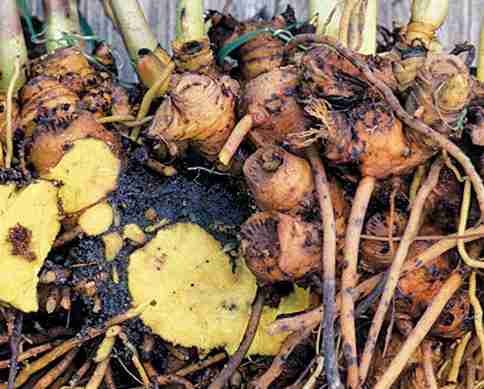
Goldenseal (Hydrastis canadensis) is a perennial herb native to North America, especially the rich, shaded woodlands of the eastern United States and southeastern Canada. Renowned for its vibrant yellow root and potent medicinal properties, goldenseal has been used for centuries by Native American tribes and later adopted by European settlers. Today, it remains a popular herbal remedy, often touted for its antimicrobial, anti-inflammatory, and immune-boosting properties.
Goldenseal belongs to the Ranunculaceae (buttercup) family. The plant is small, growing up to 12 inches tall, with hairy stems and large, five-lobed leaves. In spring, it produces small, greenish-white flowers, followed by a single red berry. The root is the most valued part of the plant. It is thick, knotted, and colored a distinctive bright yellow due to its high berberine content, an alkaloid key to many of its purported health benefits.
Native American tribes, particularly the Cherokee and Iroquois, used goldenseal root for various ailments. It was applied topically for wounds, infections, and skin diseases, and taken internally to treat digestive issues, respiratory infections, and inflammation.
With European colonization, the use of goldenseal spread rapidly. By the 19th century, it was a mainstay in North American herbal medicine and a popular remedy among Eclectic practitioners who emphasized plant-based treatments. It was often used as a bitter tonic, antimicrobial agent, and digestive aid.
Goldenseal contains several bioactive alkaloids, including:
These compounds work together to produce the wide range of therapeutic actions attributed to goldenseal root.
Goldenseal’s most well-documented use is as a natural antimicrobial. In lab studies, Berberine has demonstrated broad-spectrum activity against bacteria, viruses, fungi, and protozoa [1]. It has been studied for its effectiveness against Escherichia coli, Staphylococcus aureus, Candida albicans, and even Helicobacter pylori, a bacterium linked to stomach ulcers [2].
Because of these properties, goldenseal is often included in natural cold and flu remedies and topical salves for skin infections.
Historically, goldenseal has been used to stimulate appetite, reduce inflammation in the gastrointestinal tract, and treat ulcers and infections. Its bitter alkaloids stimulate bile flow and may support digestion. Some herbalists recommend it for gastritis, colitis, and diarrhea caused by microbial imbalance [3].
Goldenseal is frequently marketed as an immune booster, especially in combination with echinacea. While evidence for its immune-enhancing effects is limited, some studies suggest berberine can help regulate immune responses and reduce inflammation [4].
The alkaloids in goldenseal have shown anti-inflammatory effects in vitro and animal models. They appear to inhibit pro-inflammatory cytokines and modulate oxidative stress, making goldenseal potentially helpful in managing chronic inflammatory conditions [5].
Traditionally, goldenseal was used in eye washes for conjunctivitis (pink eye) and in creams or poultices for wounds, eczema, and fungal infections. Its antiseptic and astringent qualities make it useful in topical applications, though modern ophthalmic use is less common due to safety concerns and the availability of gentler alternatives.
Goldenseal is available in many forms:
The typical oral dosage for goldenseal extract ranges from 250–500 mg up to three times per day. However, due to its potency, it is often recommended for short-term use only.
While goldenseal is natural, it is not without risks:
Goldenseal is often overused in “detox” supplements or as a purported way to “mask” drug tests—an unproven and unsafe practice.
Goldenseal is classified as a vulnerable species due to overharvesting and habitat destruction. Wild populations have declined significantly, prompting calls for sustainable cultivation and ethical sourcing. Reputable manufacturers now offer organically cultivated goldenseal to reduce pressure on wild plants.
Goldenseal root is a powerful herbal remedy with a deep history in Native American and Western traditions. Its rich alkaloid content, particularly berberine, gives it strong antimicrobial and anti-inflammatory properties. While its popularity persists today, especially for infections and digestive issues, goldenseal should be used responsibly and in moderation due to potential interactions and sustainability concerns. As with any potent herb, consulting a qualified healthcare provider before use is recommended.


No account yet?
Create an Account


