



$19.99


$19.99

$23.99

$23.99

$19.99

$19.99
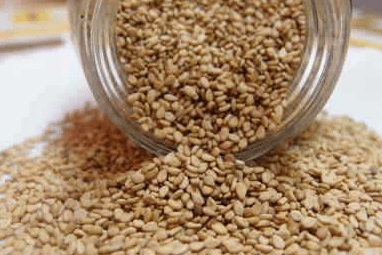
Plant sterol complex – seed is a blend of naturally occurring sterols (phytosterols) derived exclusively from seeds and seed oils. These plant-based compounds have a structure similar to cholesterol and are widely recognized for their ability to support heart health by lowering LDL (“bad”) cholesterol levels. Found in the cell membranes of plants, sterols from seeds have become a focal point in nutritional science and supplement development due to their potent bioactive properties.
Plant sterols are a group of steroid compounds found in the fatty tissues of plants. The most common sterols include beta-sitosterol, campesterol, and stigmasterol. While all plants contain sterols, seeds and seed oils, such as those from sunflower, soybean, sesame, and flaxseed, are among the richest sources.
Plant sterols resemble cholesterol in humans structurally. This similarity allows them to compete with dietary and biliary cholesterol for absorption in the digestive tract, effectively reducing the amount of cholesterol that enters the bloodstream.
When discussing “plant sterol complex – seed,” the term generally refers to sterols extracted from various seeds or their oils. These include:
The extraction process typically involves refining seed oils to isolate and concentrate the sterol components, which are then used in dietary supplements or added to functional foods like fortified margarine, dairy alternatives, and cereals.
The most well-documented benefit of plant sterols is their ability to lower LDL cholesterol levels. According to the U.S. Food and Drug Administration (FDA) and European Food Safety Authority (EFSA), consuming 1.5–3 grams of plant sterols per day can reduce LDL cholesterol by 7–12.5% within a few weeks [1][2].
This occurs because sterols reduce cholesterol absorption in the intestines. By blocking the incorporation of cholesterol into micelles (fat-absorption vehicles), sterols ensure that more cholesterol is excreted rather than absorbed into the bloodstream.
Lowering LDL cholesterol plays a significant role in reducing the risk of coronary heart disease (CHD). A meta-analysis published in the American Journal of Clinical Nutrition found that plant sterol supplementation significantly lowers LDL cholesterol and may modestly lower cardiovascular disease (CVD) risk when used with a healthy lifestyle [3].
Some sterols, especially those derived from seeds like sesame and flax, exhibit anti-inflammatory and antioxidant properties. These benefits contribute to overall vascular health by reducing oxidative stress and endothelial dysfunction, both of which are involved in the development of atherosclerosis [4].
Beta-sitosterol, one of the most abundant plant sterols, has also been studied for its role in benign prostatic hyperplasia (BPH) and immune system modulation. Several clinical trials have shown that beta-sitosterol can improve urinary symptoms associated with BPH and may support immune cell function [5].
While plant sterols naturally occur in small amounts in many vegetables, nuts, seeds, and legumes, achieving therapeutic intake levels through diet alone is difficult. For example, one would need to consume over 100 servings of vegetables daily to reach the 2-gram target. Thus, fortified foods and plant sterol complex supplements derived from seeds have become an efficient means of optimal intake.
Fortified products include:
Plant sterol complex supplements often come in softgel or capsule form and may be blended with omega-3 fatty acids, coenzyme Q10, or vitamin D to enhance cardiovascular support.
Plant sterols are considered safe for most people when taken in recommended doses. However, they may not be suitable for everyone.
Use should be supervised by a healthcare professional in pregnant or breastfeeding women, although food-based sources are generally safe.
Regulatory bodies in multiple countries have approved plant sterols for health claims. The FDA allows a qualified health claim stating that diets low in saturated fat and cholesterol that include at least 1.3 grams of plant sterols per day may reduce the risk of heart disease [6].
Similarly, the EFSA supports claims that plant sterol-enriched foods help maintain normal cholesterol levels, provided they are consumed in effective daily doses.
Plant sterol complex – seed is a potent, plant-based approach to improving heart health and managing cholesterol levels. Derived from nutrient-rich seeds like sunflower, soybean, sesame, and flax, this complex offers a concentrated source of cholesterol-lowering phytochemicals. Supported by decades of clinical research and endorsed by global health authorities, plant sterol supplementation can be a valuable part of a heart-healthy diet, especially for those at risk of cardiovascular disease.
When combined with regular physical activity, a balanced diet, and medical supervision when needed, plant sterol complex can play a meaningful role in long-term health and well-being.
References:


No account yet?
Create an Account


