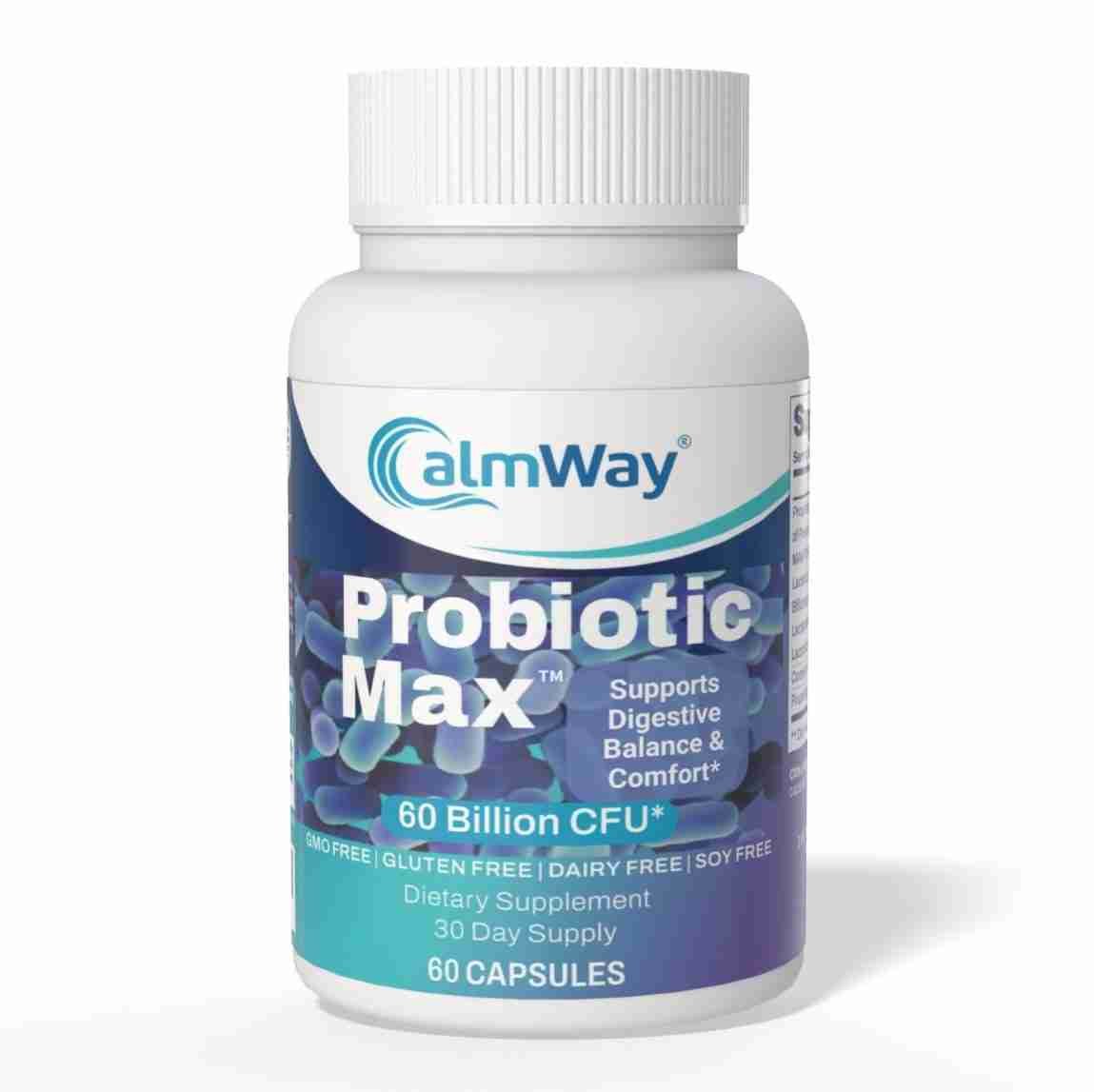


$19.99


$19.99
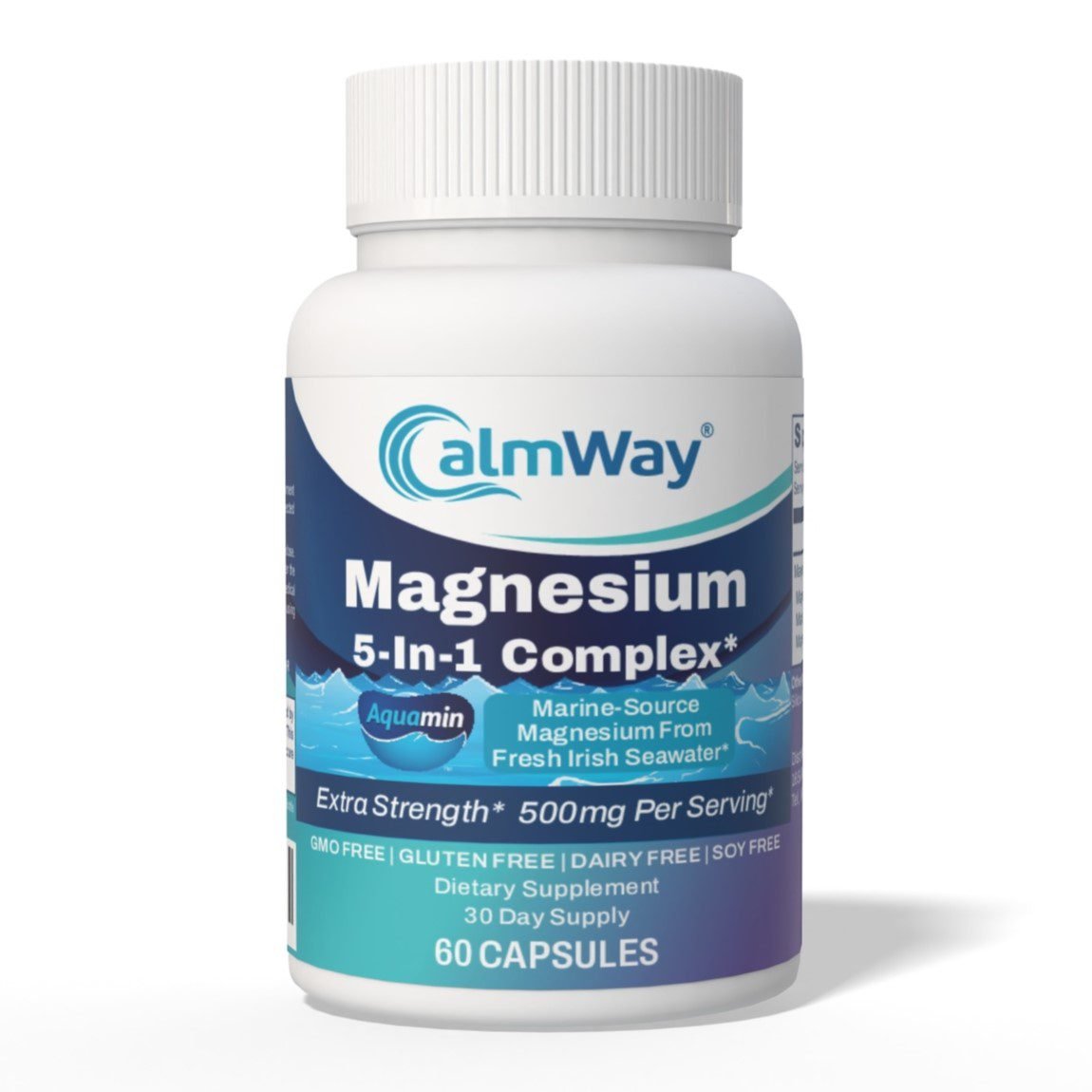
$23.99
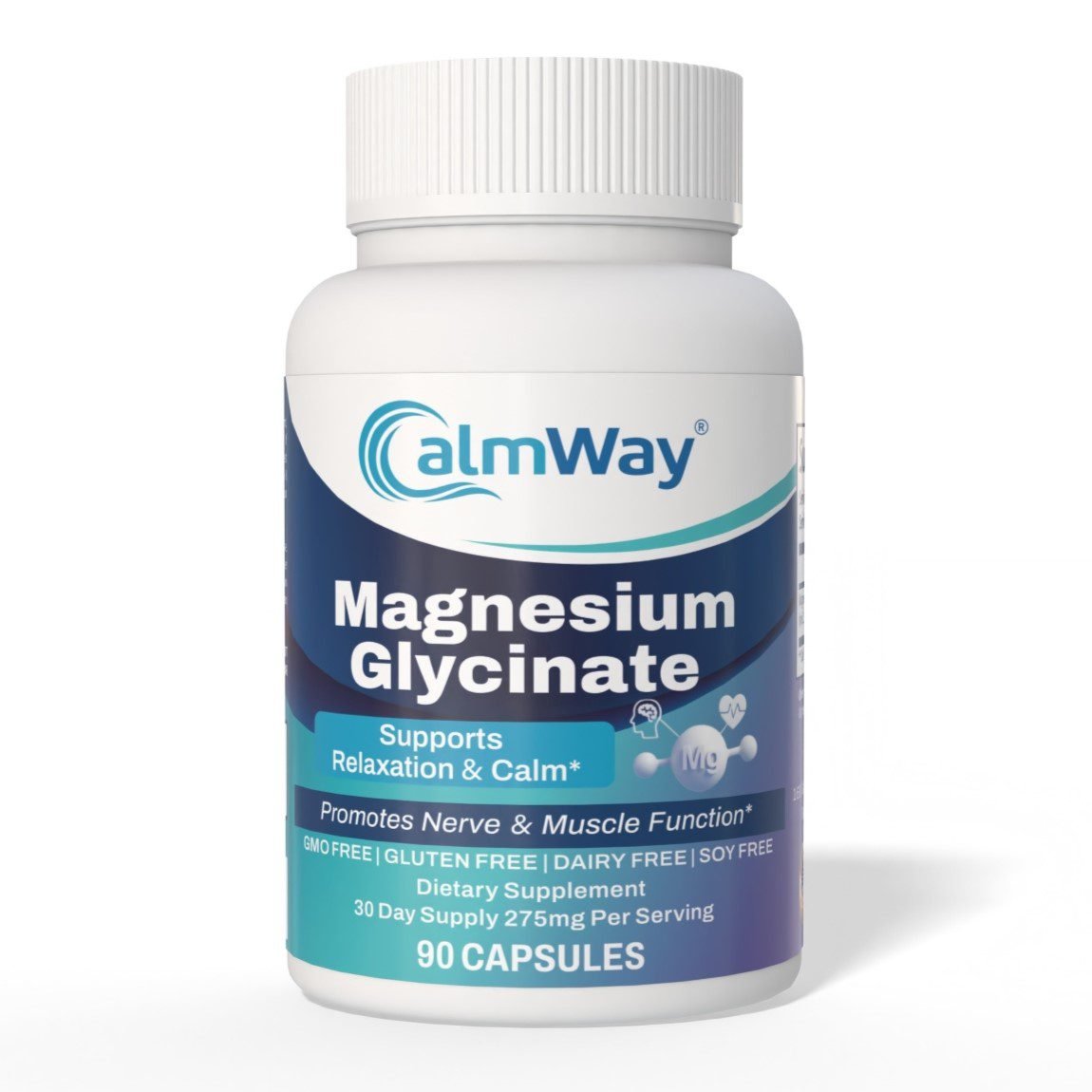
$23.99
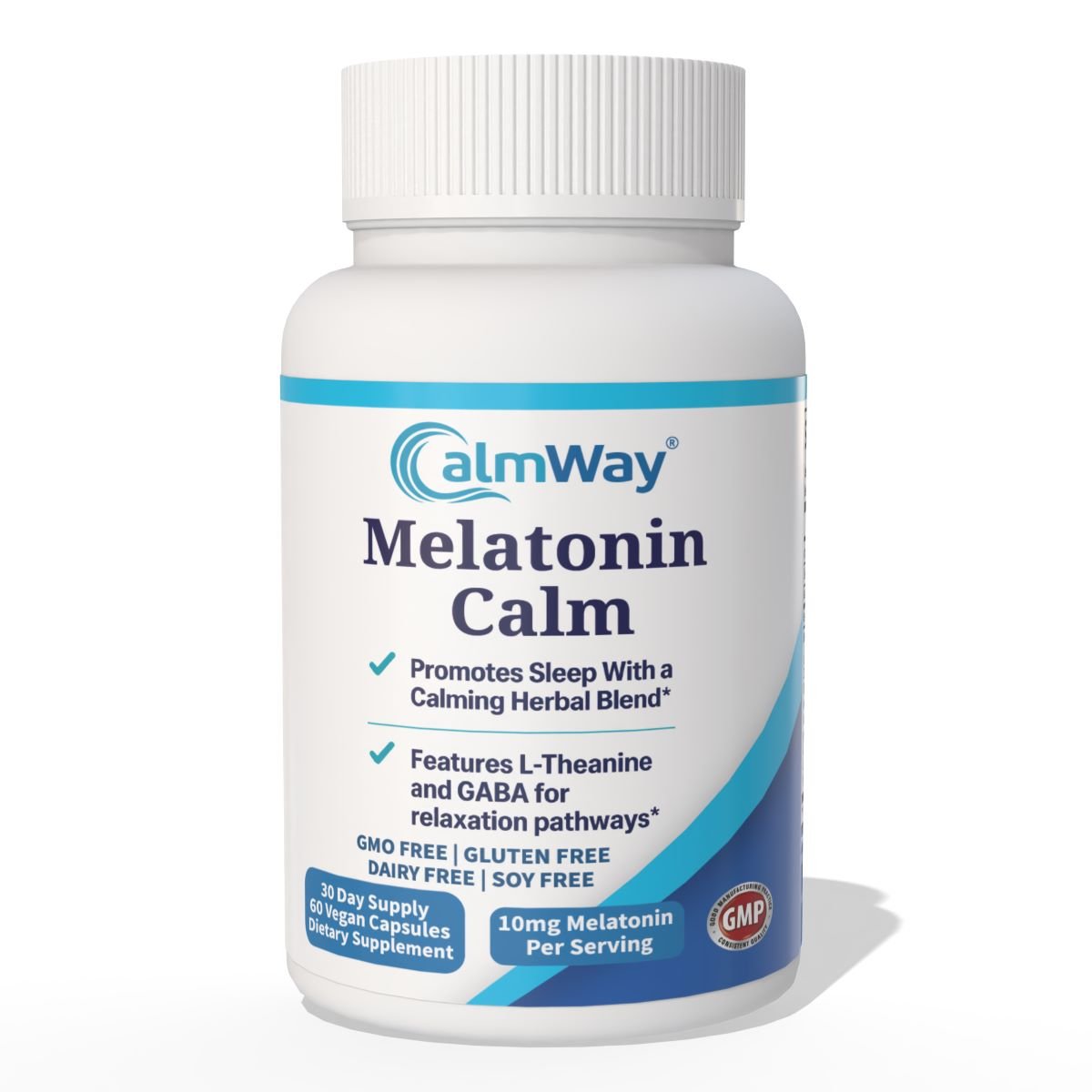
$19.99
$19.99
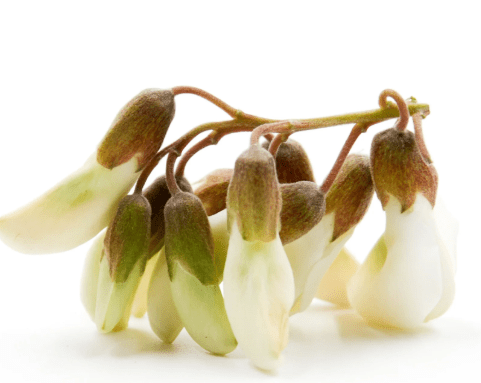
Quercetin is a naturally occurring plant flavonoid commonly found in fruits, vegetables, leaves, seeds, and grains. While “quercetin” itself is not a bud, some herbal and nutritional supplements may refer to “quercetin bud” to indicate that the compound is extracted from the young buds of certain plants, especially when these buds have a particularly high concentration of quercetin or other flavonoids. This formulation is popular in herbal medicine for its concentrated potency and enhanced bioactivity.
Chemically, quercetin is a type of flavonol, a subclass of flavonoids—a group of plant-based antioxidants. Its name derives from the Latin quercetum, meaning oak forest, as it was initially isolated from oak trees.
Quercetin is abundant in many plant foods, including:
It also occurs in certain medicinal plants’ young buds and leaves, where concentrations can be exceptionally high due to the plant’s natural defense mechanisms.
In herbal medicine, “bud extracts” or gemmotherapy refer to embryonic plant tissues—buds, shoots, or young stems—that are believed to contain higher concentrations of growth factors, enzymes, and bioactive compounds compared to mature plant parts. When referring to “quercetin bud,” the phrase may imply that quercetin is extracted from these immature parts of plants like Sophora japonica (Japanese pagoda tree), Ginkgo biloba, or even caper buds (Capparis spinosa), which are among the richest sources of quercetin.
Such extracts are often used in dietary supplements, functional foods, and integrative medicine, and are marketed for their potential health benefits.
Quercetin has been extensively studied for its wide range of pharmacological properties. The most prominent benefits include:
Quercetin is a potent antioxidant, meaning it neutralizes harmful free radicals in the body. This reduces oxidative stress, which plays a key role in aging and chronic diseases such as cancer, cardiovascular disease, and neurodegeneration (Boots et al., 2008).
Quercetin inhibits the production and release of inflammatory mediators like histamine, prostaglandins, and cytokines. This makes it helpful in managing chronic inflammatory diseases, including arthritis and asthma (Li et al., 2016).
Quercetin has immunomodulatory effects, potentially enhancing immune responses. In lab studies, it also shows promise in inhibiting viral replication, including viruses like rhinovirus and SARS-CoV-2 (Derosa et al., 2021).
Several studies suggest that quercetin can help lower blood pressure, reduce LDL cholesterol oxidation, and improve endothelial function, thereby reducing the risk of heart disease (Egert et al., 2009).
Due to its ability to stabilize mast cells and inhibit histamine release, quercetin is commonly used in natural remedies for allergies, hay fever, and sinusitis (Kobayashi et al., 2004).
Some familiar plant sources where quercetin-rich bud extracts are harvested include:
These bud extracts are often standardized to contain specific percentages of quercetin for use in capsules, tinctures, or powdered supplements.
One of the challenges with quercetin is its low bioavailability when taken orally. It is poorly soluble in water and rapidly metabolized in the intestines and liver. To address this, manufacturers have developed enhanced formulations such as:
Some studies suggest that quercetin from bud extracts may offer better bioavailability due to other synergistic compounds naturally found in the young plant tissues (Cory et al., 2018).
Quercetin is generally well tolerated at moderate doses (up to 1,000 mg/day). Side effects are rare but may include headaches or gastrointestinal discomfort at high doses. Individuals on blood thinners or other medications should consult a healthcare provider, as quercetin can interact with drug-metabolizing enzymes (Formica & Regelson, 1995).
Pregnant and breastfeeding women should avoid high-dose quercetin supplements due to limited safety data.
“Quercetin (bud)” typically refers to quercetin derived from plants’ young buds or early growth tissues, particularly in herbal medicine or gemmotherapy. These extracts may offer concentrated and synergistically active forms of quercetin, with benefits ranging from antioxidant protection and immune support to anti-inflammatory and cardiovascular health. While more clinical research is needed to understand its bioavailability and therapeutic potential fully, quercetin remains one of the most promising natural compounds in preventive and integrative health.


No account yet?
Create an Account