



Blog
Huperzine A: Support For Brain Health and Memory

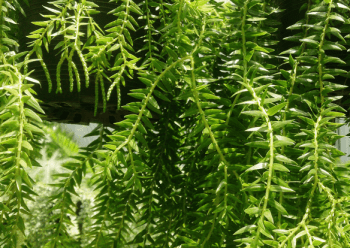
Huperzine A is a naturally occurring alkaloid extracted primarily from the Chinese club moss, Huperzia serrata, a plant used in traditional Chinese medicine for centuries. Recognized for its potential cognitive-enhancing properties, huperzine A has gained attention in modern herbal and neurological research as a promising treatment for memory disorders and neurodegenerative diseases, particularly Alzheimer’s disease.
This article explores huperzine A, its source, traditional uses, mechanisms of action, scientific evidence supporting its benefits, and considerations for use.
The Plant Source: Huperzia serrata
Huperzine A is derived from Huperzia serrata, a perennial herbaceous plant in China and other East Asian parts. The plant belongs to the Lycopodiaceae family and resembles a moss or small fern with creeping stems and needle-like leaves.
Traditionally, Huperzia serrata whole herb preparations were used in Chinese medicine to treat fever, swelling, and blood disorders. However, the focus shifted when scientists isolated huperzine A from the plant in the 1980s, noting its potent biological activities relevant to brain function [1].
What Is Huperzine A?
Huperzine A is a sesquiterpene alkaloid and a potent reversible inhibitor of acetylcholinesterase (AChE), the enzyme responsible for breaking down acetylcholine in the brain. Acetylcholine is a key neurotransmitter involved in learning, memory, and attention.
By inhibiting AChE, huperzine A increases acetylcholine levels in the synaptic cleft, enhancing cholinergic neurotransmission. This mechanism is similar to several FDA-approved drugs for Alzheimer’s disease, such as donepezil and rivastigmine, making huperzine A a compound of considerable interest for cognitive health [2].
Traditional Uses of the Whole Herb
Before huperzine A was isolated, the whole herb Huperzia serrata was used in Chinese folk medicine. It was applied topically to bruises and swellings and also taken internally for its purported neuroprotective and anti-inflammatory effects.
The whole herb contains other alkaloids and bioactive compounds that may contribute synergistically to its effects. However, due to their standardized potency and safety profile, most modern research focuses on purified huperzine A extracts.
Scientific Evidence and Cognitive Benefits
Research on huperzine A, especially in the context of neurodegenerative diseases and cognitive decline, has grown significantly over the past few decades.
1. Alzheimer’s Disease and Dementia
Several clinical trials have investigated huperzine A’s efficacy for Alzheimer’s disease (AD) and related dementias. A meta-analysis of randomized controlled trials published in 2013 reported that huperzine A improved cognitive function, daily living activities, and global clinical assessment scores compared to placebo [3].
Its ability to cross the blood-brain barrier and inhibit AChE with fewer side effects than synthetic drugs makes it a promising alternative or adjunct therapy for mild to moderate AD.
2. Memory and Learning Enhancement
Huperzine A is also used as a nootropic to enhance memory and learning in healthy individuals. Animal studies demonstrate improved learning ability and memory retention with huperzine A administration. While more limited, human studies suggest benefits in attention, memory recall, and mental processing speed [4].
3. Neuroprotective Properties
Beyond AChE inhibition, huperzine A exhibits antioxidant and anti-apoptotic effects. It may protect neurons against glutamate-induced toxicity and oxidative stress, mechanisms implicated in neurodegeneration [5].
The Whole Herb vs. Isolated Huperzine A
While purified huperzine A supplements are popular, some herbalists advocate using the whole Huperzia serrata herb or standardized extracts containing the full spectrum of plant alkaloids. The rationale is that the complex phytochemistry of the entire herb may provide a broader therapeutic effect due to synergistic interactions.
However, whole herb preparations tend to have variable huperzine A content, making dosing less precise. Additionally, the herb may contain other alkaloids with unknown effects, raising safety considerations.
Dosage and Administration
Standardized huperzine A supplements typically provide 50 to 200 micrograms daily, often divided into two doses. Clinical trials have used similar doses with good tolerability.
Whole herb extracts vary significantly in huperzine A concentration; thus, standardization is crucial for effective and safe use. Traditional decoctions involve boiling the herb, but this method may degrade some active compounds.
Safety and Side Effects
Huperzine A is generally well tolerated at recommended doses, with mild side effects reported such as nausea, diarrhea, sweating, and insomnia. Because of its cholinergic effects, excessive dosing can lead to symptoms like muscle cramps, increased salivation, and bradycardia (slow heart rate).
It is important to avoid combining huperzine A with other cholinergic drugs or acetylcholinesterase inhibitors to prevent additive effects.
Pregnant or breastfeeding women, and individuals with heart conditions or epilepsy, should consult healthcare providers before use.
Regulatory Status
In many countries, huperzine A is sold as a dietary supplement rather than a drug, leading to variable regulation. Due to differences in extract potency, quality control and accurate labeling are essential.
In China, huperzine A is approved as a prescription drug for Alzheimer’s treatment, whereas in Western countries, it is often marketed as a nootropic.
Conclusion
Huperzine A, derived primarily from the whole Huperzia serrata, represents a fascinating intersection of traditional herbal medicine and modern neuroscience. Its potent acetylcholinesterase inhibition and neuroprotective properties have made it a promising candidate for supporting cognitive health, particularly in aging and neurodegenerative conditions.
While purified huperzine A supplements are widely used and studied, the whole herb offers a complex phytochemical profile that may provide additional benefits. However, variability in composition and potency makes standardization and quality assurance essential.
As research advances, huperzine A offers hope for safer, natural approaches to memory enhancement and neurological health.
References:
- Ma, L., et al. (2007). “Chemical and pharmacological studies of Huperzia serrata.” Phytochemistry, 68(4), 501-511.
- Wang, R., Yan, H., & Tang, X. C. (2006). “Progress in studies of huperzine A, a natural cholinesterase inhibitor from Chinese herbal medicine.” Acta Pharmacologica Sinica, 27(1), 1-26.
- Wang, R., Yan, H., & Tang, X. C. (2009). “Huperzine A for Alzheimer’s disease: A systematic review and meta-analysis of randomized clinical trials.” PLoS ONE, 4(11), e6961.
- Giacobini, E. (2003). “Huperzine A: A natural cholinesterase inhibitor for Alzheimer’s disease.” Neurochemical Research, 28(2), 483-488.
- Zhang, H. Y., et al. (2008). “Neuroprotective effects of huperzine A against beta-amyloid-induced neurotoxicity.” Neuroscience Letters, 441(2), 122-126.


