



Blog
Glutamic Acid: A Brain Boosting Amino

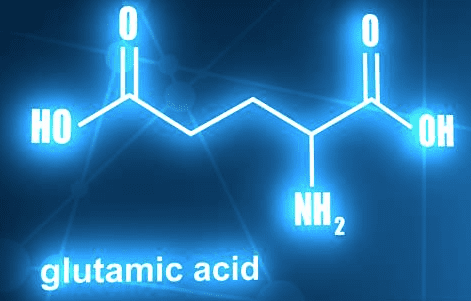
Glutamic acid is a non-essential amino acid that plays a crucial role in the human body, particularly in the brain and central nervous system. It is one of the 20 standard amino acids used in the synthesis of proteins and serves both structural and functional roles in cellular metabolism. Though the body naturally produces it, glutamic acid is abundant in food. It is widely used in the food industry, notably as the basis for monosodium glutamate (MSG), a flavor enhancer.
Chemical Structure and Properties
Glutamic acid, also known as glutamate in its ionized form, has the molecular formula C₅H₉NO₄. It contains a carboxylic acid group, an amino group, and a distinctive side chain with a second carboxylic acid, classifying it as an acidic amino acid. Its side chain makes it polar and water-soluble. The chemical structure enables glutamic acid to participate in various biochemical reactions, particularly in nitrogen metabolism and neurotransmission.
Biological Functions
1. Protein Synthesis
Glutamic acid is incorporated into proteins by ribosomes during translation, contributing to the structure and function of enzymes, hormones, and structural proteins. As one of the most abundant amino acids in the human body, it is critical for forming many functional proteins.
2. Neurotransmission
One of glutamic acid’s most significant roles is in the nervous system, where it functions as an excitatory neurotransmitter. Glutamate, its conjugate base, is the most abundant excitatory neurotransmitter in the vertebrate nervous system. It is essential for synaptic plasticity, learning, and memory formation (Meldrum, 2000). Overstimulation of glutamate receptors, however, can lead to excitotoxicity, contributing to neurodegenerative conditions such as Alzheimer’s disease and amyotrophic lateral sclerosis (ALS).
3. Metabolism and Ammonia Detoxification
Glutamic acid plays a key role in cellular metabolism, especially in synthesizing and degrading amino acids. It is a nitrogen donor or acceptor in transamination reactions, essential for producing other amino acids. Additionally, in the brain, it helps detoxify ammonia by converting it into glutamine, a process crucial for maintaining safe levels of ammonia in the body (Cooper & Plum, 1987).
Dietary Sources
Glutamic acid is found naturally in many protein-rich foods, including meat, fish, eggs, dairy products, and plant-based sources like soy, beans, and certain vegetables. It is especially abundant in foods with high umami flavor, such as tomatoes, mushrooms, and aged cheeses.
Glutamic Acid and MSG
In the food industry, glutamic acid is best known for its association with monosodium glutamate (MSG), a flavor enhancer that stimulates the umami taste receptors on the tongue. MSG is the sodium salt of glutamic acid and was first isolated by Japanese chemist Kikunae Ikeda in 1908 from seaweed broth (Ikeda, 1909). Despite public concern over “Chinese Restaurant Syndrome” in the 1960s, multiple scientific reviews have since confirmed that MSG is safe for the general population when consumed in typical amounts (FDA, 2020; EFSA, 2017).
Health Implications
1. Neurodegenerative Disorders
As mentioned, excess extracellular glutamate can lead to excitotoxicity, potentially damaging neurons. This mechanism has been implicated in several neurodegenerative disorders. Research continues to explore ways to modulate glutamate levels as a therapeutic approach for conditions such as Alzheimer’s, Parkinson’s, and multiple sclerosis.
2. Mental Health
Glutamate also plays a role in mood regulation. Imbalances in glutamatergic signaling have been linked to depression and schizophrenia. Some new antidepressants and antipsychotics target glutamate receptors or modulate glutamate levels to improve symptoms (Sanacora et al., 2012).
3. Supplement Use
While glutamic acid is synthesized by the body and typically obtained through diet, supplements are sometimes used by athletes or individuals with specific health conditions. However, excessive intake is not recommended without medical supervision due to potential risks associated with altered neurotransmitter activity.
Conclusion
Glutamic acid is a multifaceted amino acid that plays vital roles in human physiology. From serving as a building block of proteins to acting as a neurotransmitter in the brain, its functions are diverse and essential. Though popularly known for its connection to MSG in food, its importance extends beyond flavor enhancement. Understanding glutamic acid is crucial for nutritional science and advancing our knowledge of brain health and metabolic function.
References
- Cooper, A. J. L., & Plum, F. (1987). Biochemistry and physiology of brain ammonia. Physiological Reviews, 67(2), 440–519. https://doi.org/10.1152/physrev.1987.67.2.440
- European Food Safety Authority (EFSA). (2017). Re-evaluation of glutamic acid–glutamates (E 620–625) as food additives. EFSA Journal, 15(7), e04910. https://doi.org/10.2903/j.efsa.2017.4910
- FDA. (2020). Questions and Answers on Monosodium Glutamate (MSG). U.S. Food and Drug Administration. https://www.fda.gov/food/food-additives-petitions/questions-and-answers-monosodium-glutamate-msg
- Ikeda, K. (1909). New seasonings. Journal of the Chemical Society of Tokyo, 30, 820–836.
- Meldrum, B. (2000). Glutamate as a neurotransmitter in the brain: review of physiology and pathology. The Journal of Nutrition, 130(4), 1007S–1015S. https://doi.org/10.1093/jn/130.4.1007S
- Sanacora, G., Zarate, C. A., Krystal, J. H., & Manji, H. K. (2012). Targeting the glutamatergic system to develop novel, improved therapeutics for mood disorders. Nature Reviews Drug Discovery, 11(10), 836–852. https://doi.org/10.1038/nrd3799


