



$19.99


$19.99

$23.99

$23.99

$19.99

$19.99
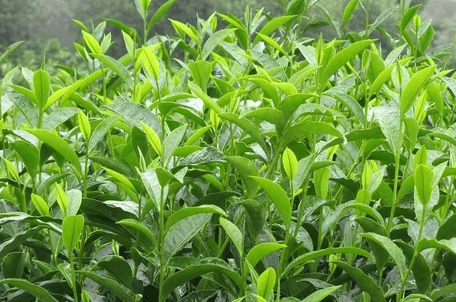
Green tea extract is a concentrated form of green tea (Camellia sinensis) leaves, widely used for its potent antioxidant properties and potential health benefits. Unlike traditional green tea beverages, which are made by steeping leaves in hot water, green tea extract is typically available in capsules, tablets, powders, or liquid form. It contains a higher concentration of bioactive compounds, particularly polyphenols such as catechins, with epigallocatechin gallate (EGCG) being the most prominent and extensively studied.
Green tea extract has gained popularity as a dietary supplement for weight loss, improved brain function, cardiovascular health, and cancer prevention. Its use spans traditional medicine and modern scientific research, making it one of today’s most widely consumed and studied botanical extracts.
The health-promoting properties of green tea extract are primarily attributed to its polyphenol content, especially catechins. The most abundant and biologically active catechin in green tea is epigallocatechin-3-gallate (EGCG), which constitutes about 50–70% of the total catechin content (Khan & Mukhtar, 2007).
Other active components include:
One of the primary benefits of green tea extract is its antioxidant activity. Antioxidants combat oxidative stress by neutralizing free radicals, unstable molecules that can damage cells and contribute to chronic diseases such as heart disease, diabetes, and cancer.
Studies have shown that EGCG, in particular, can reduce markers of oxidative stress and inflammation. For example, research published in the Journal of Nutritional Biochemistry found that EGCG significantly suppressed inflammatory responses in human cells (Singh et al., 2011). Additionally, green tea polyphenols may upregulate antioxidant enzymes in the body, enhancing the body’s natural defense mechanisms.
Green tea extract is widely marketed as a weight loss aid. It may support weight management through several mechanisms:
A meta-analysis published in Obesity Reviews concluded that green tea catechins, especially when combined with caffeine, had a modest but statistically significant effect on weight loss and maintenance (Jurgens et al., 2012).
Green tea extract may offer protection against cardiovascular disease by improving blood lipid profiles, lowering blood pressure, and enhancing endothelial function.
Clinical trials have shown that regular consumption of green tea extract can reduce total and LDL (bad) cholesterol levels while raising HDL (good) cholesterol. A randomized controlled trial published in the Archives of Internal Medicine found that green tea consumption significantly lowered serum total cholesterol and LDL cholesterol in hypercholesterolemic adults (Maron et al., 2003).
Additionally, green tea polyphenols may help prevent atherosclerosis (plaque buildup in arteries) by reducing oxidative damage to LDL cholesterol and improving blood vessel function.
Green tea extract may have neuroprotective effects, which are thought to arise from its antioxidant, anti-inflammatory, and mitochondrial-supporting properties.
EGCG has been shown to cross the blood-brain barrier and protect neurons from degeneration. It may also improve cognitive performance. A 2014 study in Psychopharmacology found that individuals who consumed green tea extract showed improved working memory and increased connectivity between brain regions associated with memory processing (Schmidt et al., 2014).
These findings suggest a potential role for green tea extract in preventing or slowing age-related cognitive decline and neurodegenerative diseases such as Alzheimer’s and Parkinson’s.
Green tea extract is generally safe when consumed in moderate amounts. However, high doses can cause side effects due to its caffeine content and liver toxicity risks in rare cases.
Reported side effects include:
The U.S. Pharmacopeia reviewed 34 case reports and advised caution with green tea extract supplements, particularly those containing high concentrations of EGCG (USP, 2008).
It is recommended to consult a healthcare provider before starting green tea extract supplementation, especially for individuals with liver disorders, cardiovascular conditions, or those who are pregnant or breastfeeding.
Green tea extract is a potent natural supplement rich in antioxidants, particularly EGCG, with a wide range of potential health benefits. From promoting weight loss and improving heart health to enhancing brain function and protecting against chronic disease, green tea extract remains valuable in integrative health approaches.
However, larger-scale, long-term clinical trials are needed to fully establish its efficacy and safety. Until then, it should be used responsibly and as part of a balanced lifestyle.


No account yet?
Create an Account


