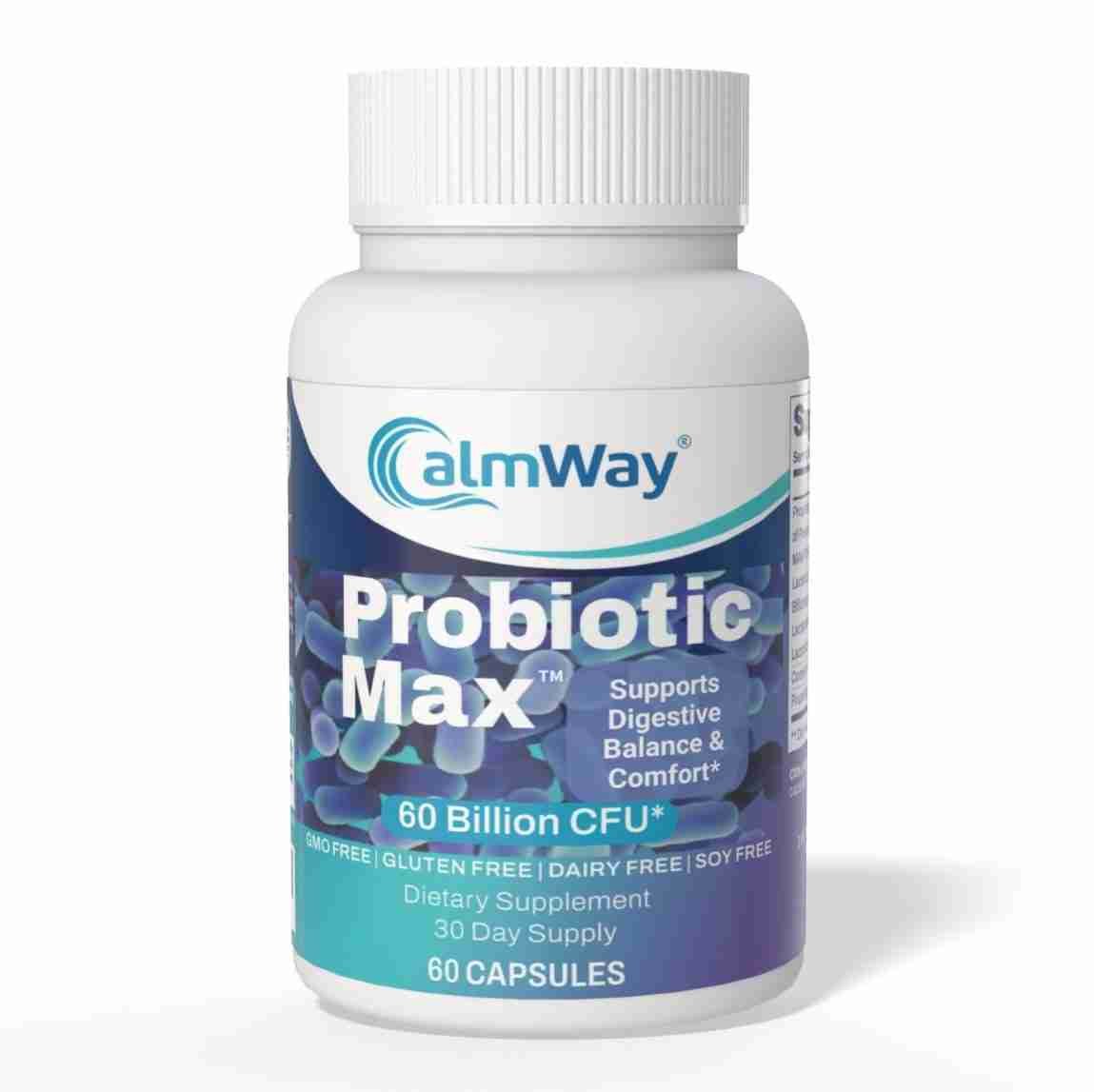


$19.99


$19.99
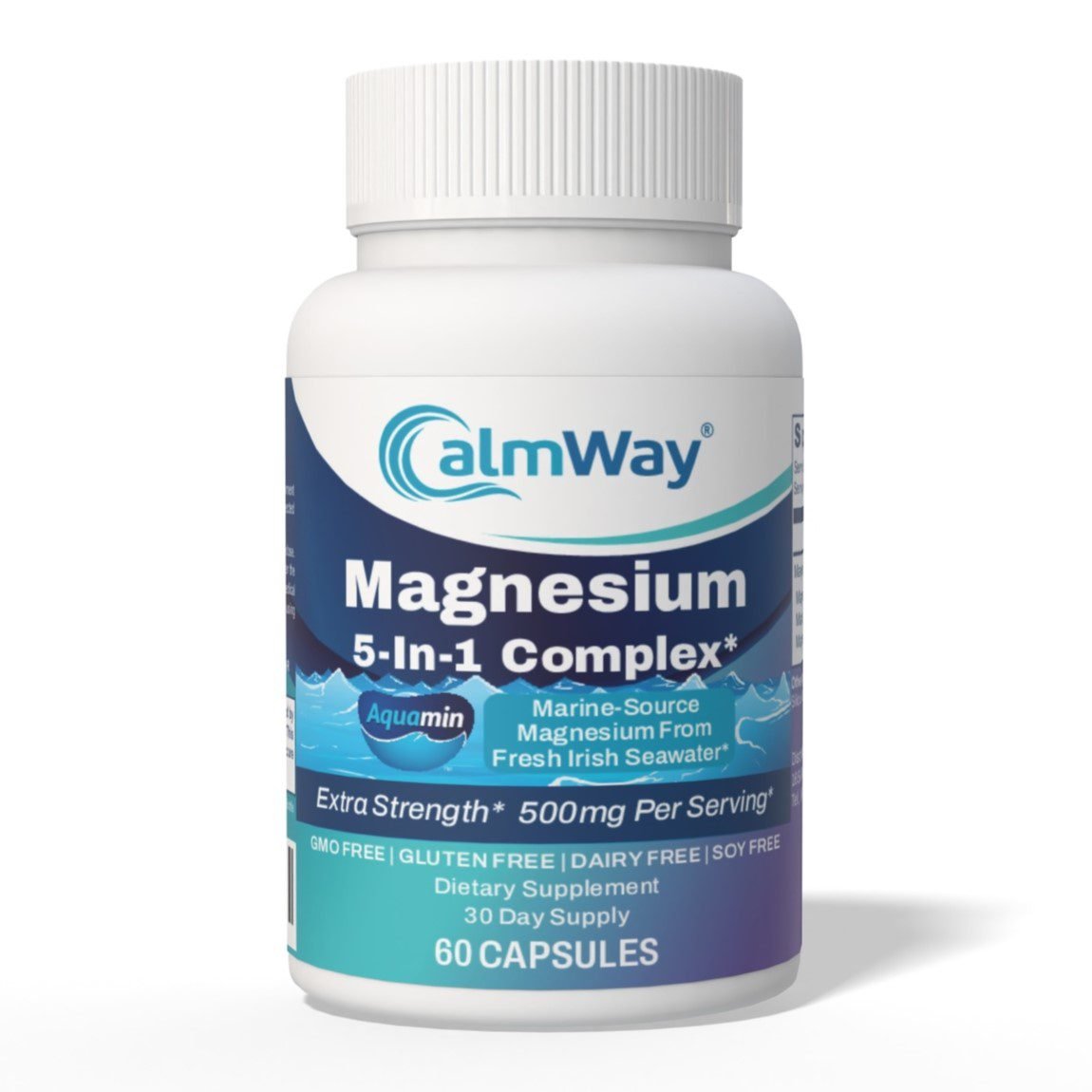
$23.99
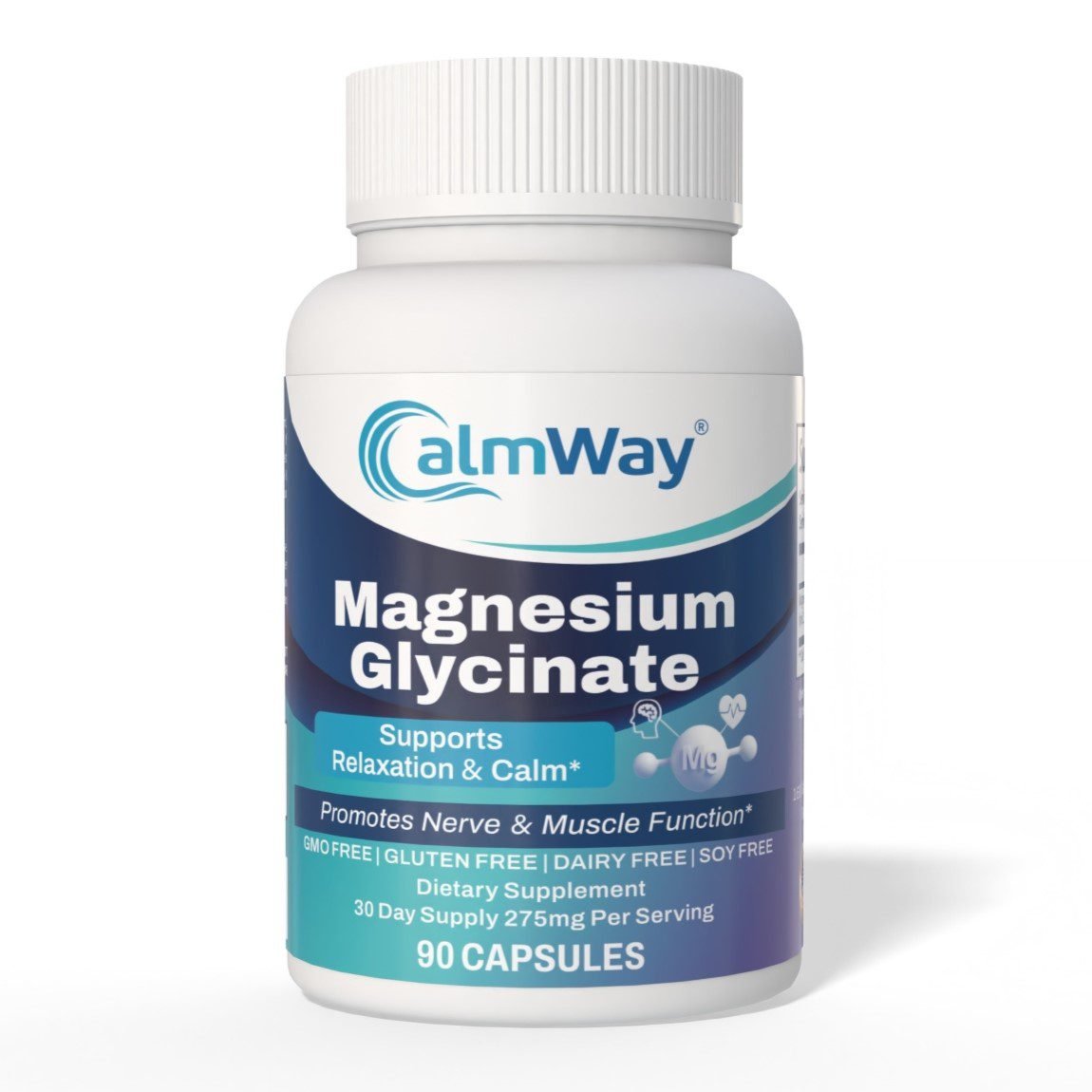
$23.99
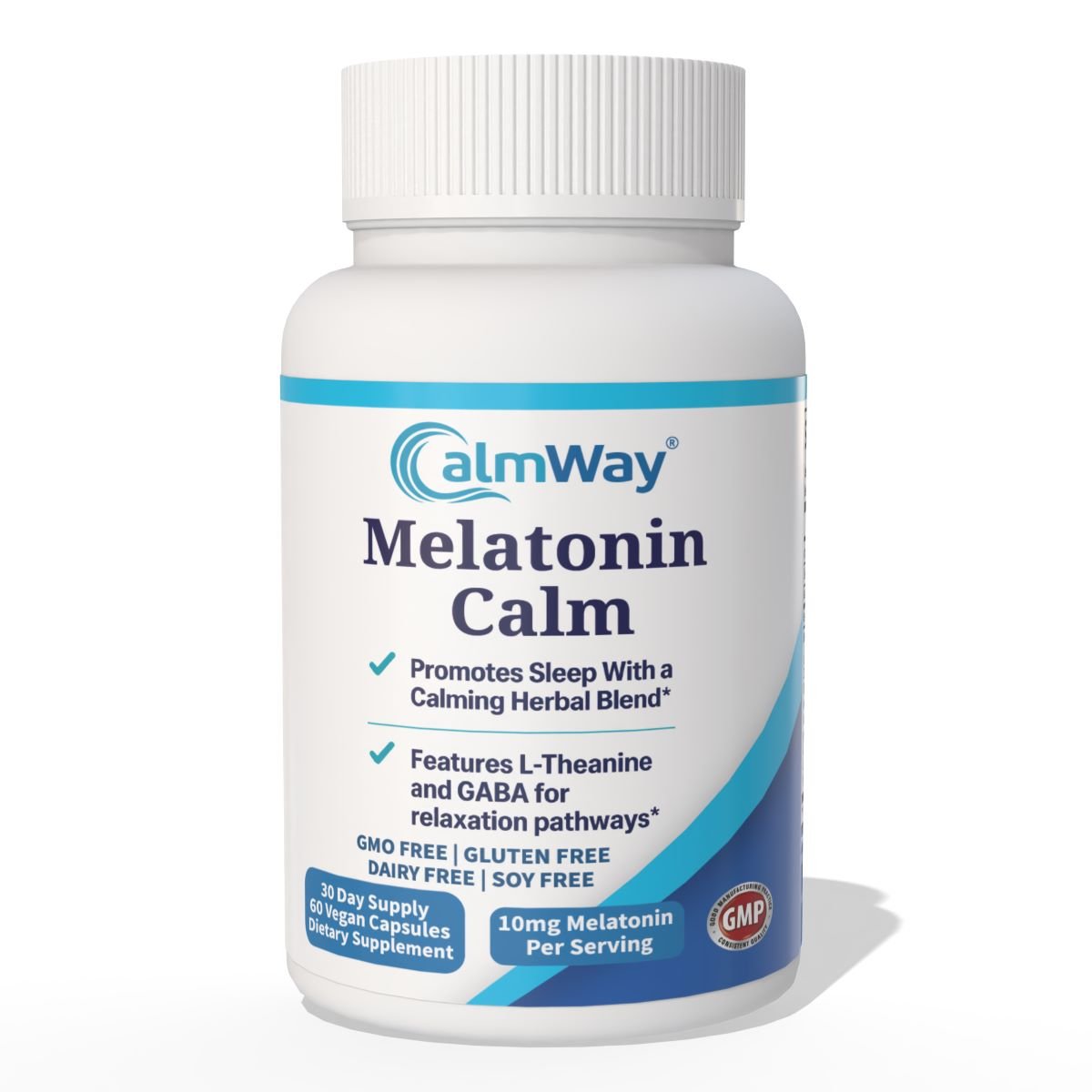
$19.99
$19.99
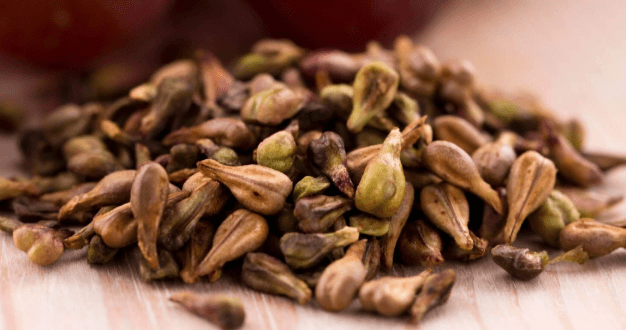
If you’ve ever checked the multivitamin, antioxidant blend, or heart health supplement label, you may have noticed grape seed extract listed among the ingredients. This plant-based compound, derived from the seeds of grapes (Vitis vinifera), has gained popularity in the wellness industry due to its powerful antioxidant properties and broad range of potential health benefits. But why is it so commonly included in nutritional supplements? Let’s explore the science behind grape seed extract and its role in supporting human health.
Grape seed extract (GSE) is a dietary supplement made by grinding the seeds of red wine grapes and extracting their bioactive compounds. The extract is particularly rich in oligomeric proanthocyanidins (OPCs), potent antioxidants belonging to the flavonoid family. These compounds are known for their ability to scavenge free radicals, reduce oxidative stress, and support various systems in the body (Bagchi et al., 2000).
Grape seed extract contains:
The high concentration of antioxidants is the main reason grape seed extract is frequently added to nutritional supplements.
One of the most well-researched benefits of grape seed extract is its positive effect on heart and blood vessel function. Studies have shown that grape seed extract may:
By preventing oxidative damage to blood vessels and supporting vascular integrity, GSE helps maintain cardiovascular health.
The OPCs in grape seed extract are known to neutralize free radicals—unstable molecules that can damage cells and contribute to aging, inflammation, and chronic diseases. Research suggests GSE is several times more potent than vitamins C and E as an antioxidant (Shi et al., 2003).
Its anti-inflammatory properties also make it potentially helpful in reducing inflammation-related conditions such as arthritis and metabolic syndrome.
Grape seed extract is sometimes marketed in beauty supplements due to its skin-protective effects. It helps support:
Emerging evidence points to grape seed extract’s neuroprotective properties. Its antioxidants may protect brain cells from oxidative stress, a major contributor to neurodegenerative conditions like Alzheimer’s. A 2019 review suggested that proanthocyanidins may improve memory and learning by reducing inflammation and improving blood flow to the brain (Li et al., 2019).
GSE can indirectly support immune function by reducing oxidative damage and inflammation. Some studies suggest it may also possess antimicrobial properties, helping to inhibit bacterial and viral infections.
Given these health benefits, supplement manufacturers often include grape seed extract in formulations designed for:
The compound’s versatility and strong safety profile make it a desirable addition to many blends.
Grape seed extract is generally well-tolerated when taken in appropriate doses. Standard dosages range from 100 to 300 mg daily, depending on the intended use. Side effects are rare but may include mild digestive upset, dizziness, or headache.
As with all supplements, individuals taking medications—particularly blood thinners—should consult a healthcare provider before using grape seed extract, as it may increase bleeding risk due to its vasodilatory and anti-platelet effects.
Grape seed extract is more than a trendy ingredient—it’s a plant-based powerhouse with scientifically backed health benefits. Its potent antioxidant activity supports cardiovascular health, cognitive function, skin integrity, and immune defense. That’s why it’s commonly found in nutritional supplements promoting long-term wellness and vitality.
By incorporating grape seed extract into a balanced supplement regimen, individuals can take a proactive step toward maintaining their health, especially in a world increasingly burdened by oxidative stress and lifestyle-related diseases.
References


No account yet?
Create an Account