


$19.99


$19.99

$23.99

$23.99
$19.99
$19.99

Menopause marks a significant transition in a woman’s life, typically occurring between the ages of 45 and 55, as the body gradually ceases menstrual cycles and reproductive hormone production, especially estrogen and progesterone. While menopause is a natural biological process, it is frequently accompanied by uncomfortable symptoms, including hot flashes, night sweats, mood swings, weight gain, and sleep disturbances. Fortunately, combining medical treatments, lifestyle changes, and natural approaches can significantly ease these symptoms and improve quality of life. Here are 10 evidence-based ways to reduce the symptoms of menopause.
Hormone replacement therapy (HRT) is often regarded as the most effective treatment for menopausal symptoms, particularly vasomotor symptoms like hot flashes and night sweats. HRT works by supplementing declining estrogen levels with synthetic hormones.
HRT is available in various forms, including pills, skin patches, gels, creams, and vaginal rings. According to the North American Menopause Society (NAMS, 2022), HRT is especially effective when started within 10 years of menopause onset, provided the woman does not have a history of breast cancer, stroke, or blood clots.
Caution: HRT isn’t suitable for everyone and may increase the risk of certain health conditions if used long-term. Always consult a healthcare provider before beginning treatment.
A healthy, nutrient-rich diet is crucial for managing menopause symptoms and preventing associated health risks like osteoporosis and cardiovascular disease.
Key dietary recommendations include:
Avoiding excessive sugar, alcohol, and caffeine may help reduce hot flashes and prevent mood fluctuations (Mayo Clinic, 2023).
Exercise benefits both physical and emotional health during menopause. Aerobic activities (e.g., walking, cycling), strength training, and flexibility exercises like yoga help manage weight, improve mood, and enhance bone density.
A study in Menopause (2014) found that physically active women reported fewer menopause-related symptoms and experienced better mental health outcomes. Even 30 minutes of moderate exercise five times a week can yield significant benefits.
Mental and emotional health can be affected during menopause, often exacerbated by declining estrogen levels. Stress can worsen hot flashes, irritability, and insomnia.
Stress reduction strategies include:
A study in Menopause (2011) found that mindfulness-based stress reduction (MBSR) significantly improved mood and reduced symptom burden in menopausal women.
CBT is a structured psychological treatment that helps individuals reframe negative thinking patterns and develop healthier coping mechanisms. CBT has been found effective in addressing menopausal symptoms such as anxiety, depression, and sleep disturbances.
According to BJOG (2012), CBT significantly reduced hot flashes and improved the quality of life for many women during the menopausal transition. It is especially valuable for women who cannot or choose not to use hormone therapy.
Poor sleep is a common complaint during menopause, often caused by night sweats, anxiety, or hormonal fluctuations.
To improve sleep:
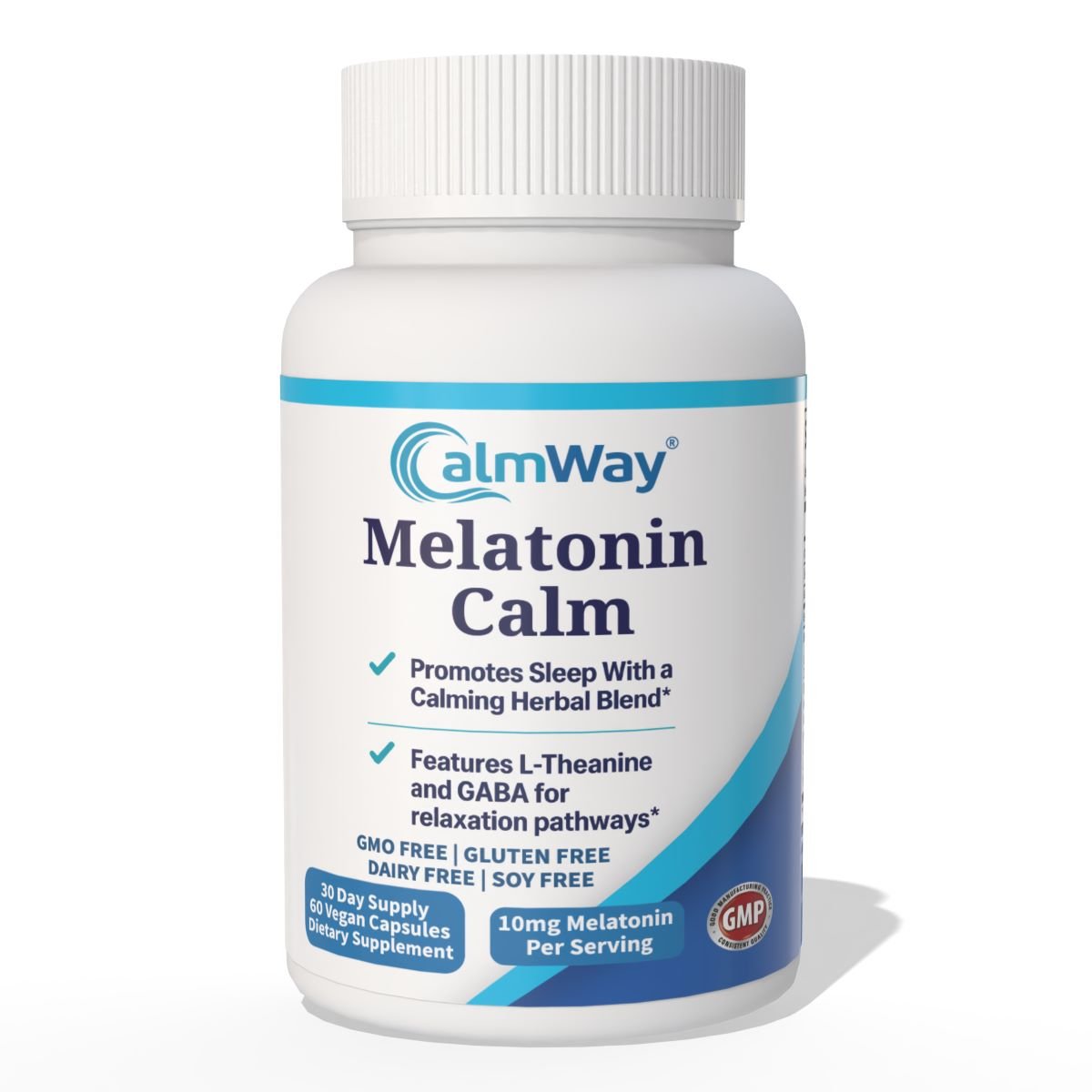
Melatonin supplements or herbal remedies such as valerian root may also help improve sleep quality, though medical advice is recommended before use (Sleep Foundation, 2023).
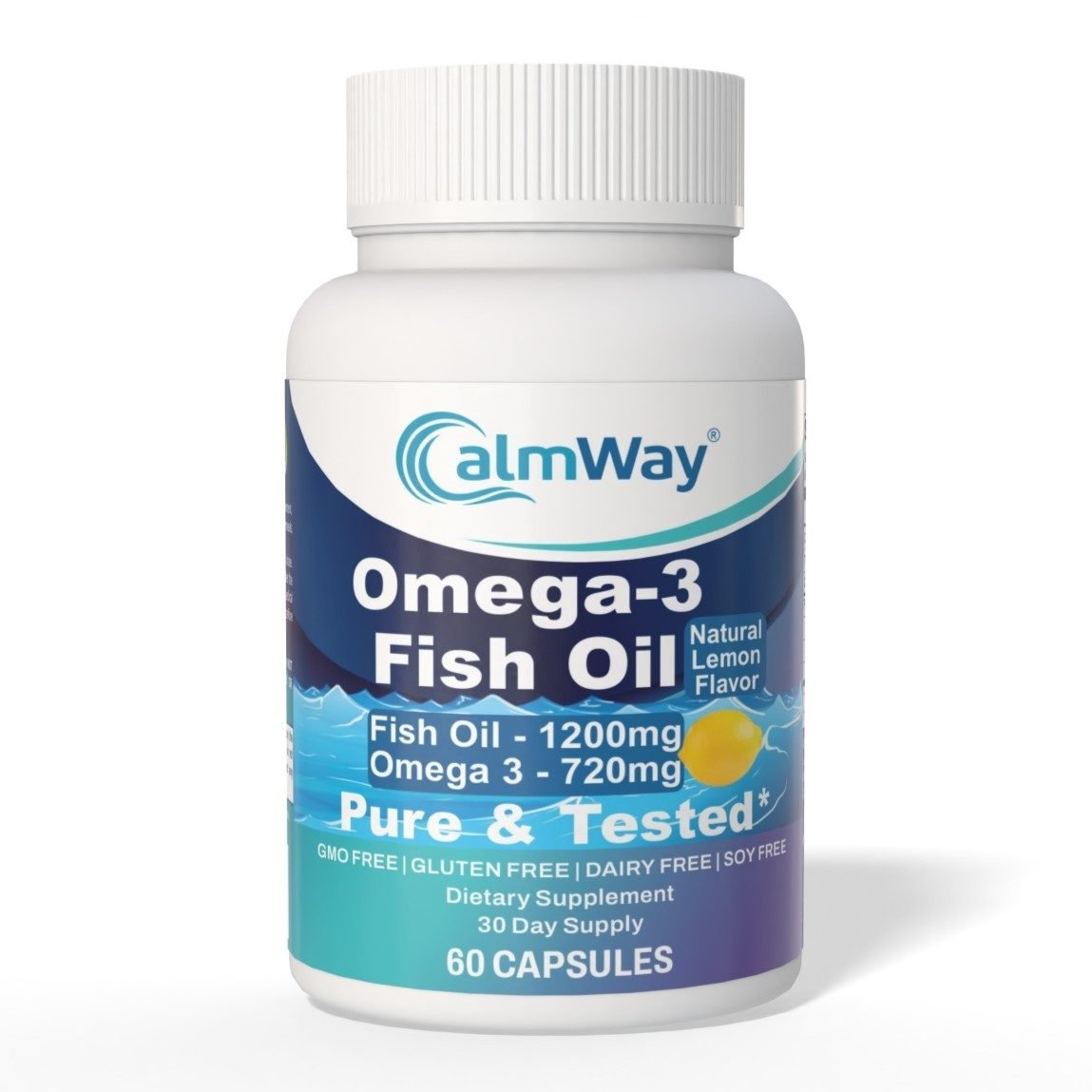
Natural remedies are frequently sought out by women seeking alternatives to HRT. Popular supplements include:
The effectiveness of these supplements varies, and some may interact with medications or have side effects. The National Center for Complementary and Integrative Health (2023) urges women to consult healthcare providers before beginning any supplement regimen.
Weight gain is typical during menopause due to hormonal changes and a slowing metabolism. Excess weight can intensify symptoms like hot flashes and raise the risk of type 2 diabetes, heart disease, and joint problems.
A 2012 study published in Menopause found that overweight women who lost just 10% of their body weight experienced fewer hot flashes and better overall health. Weight management strategies include portion control, mindful eating, regular exercise, and reducing processed food intake.
Vaginal dryness, thinning tissues, and decreased libido are common menopausal concerns, often resulting in discomfort during intimacy. Treatments include:
According to the Journal of Women’s Health (2013), local estrogen therapy significantly improves vaginal symptoms without the risks associated with systemic hormone therapy.
Menopause can coincide with significant life changes like aging parents, children leaving home, or career transitions, compounding emotional stress.
Helpful support options include:
The North American Menopause Society (NAMS) and other organizations provide resources, helplines, and community networks for women navigating menopause.
Menopause is a natural life stage, but its symptoms can significantly impact physical, emotional, and social well-being. Fortunately, a combination of hormone therapies, lifestyle interventions, psychological strategies, and natural remedies can make this transition smoother and more manageable. Each woman’s menopause experience is unique, so it is essential to work with a healthcare provider to create a personalized plan that considers symptoms, health history, and personal preferences.
By being proactive and informed, women can not only reduce the severity of menopausal symptoms but also enhance their overall quality of life during this transformative period.


No account yet?
Create an Account