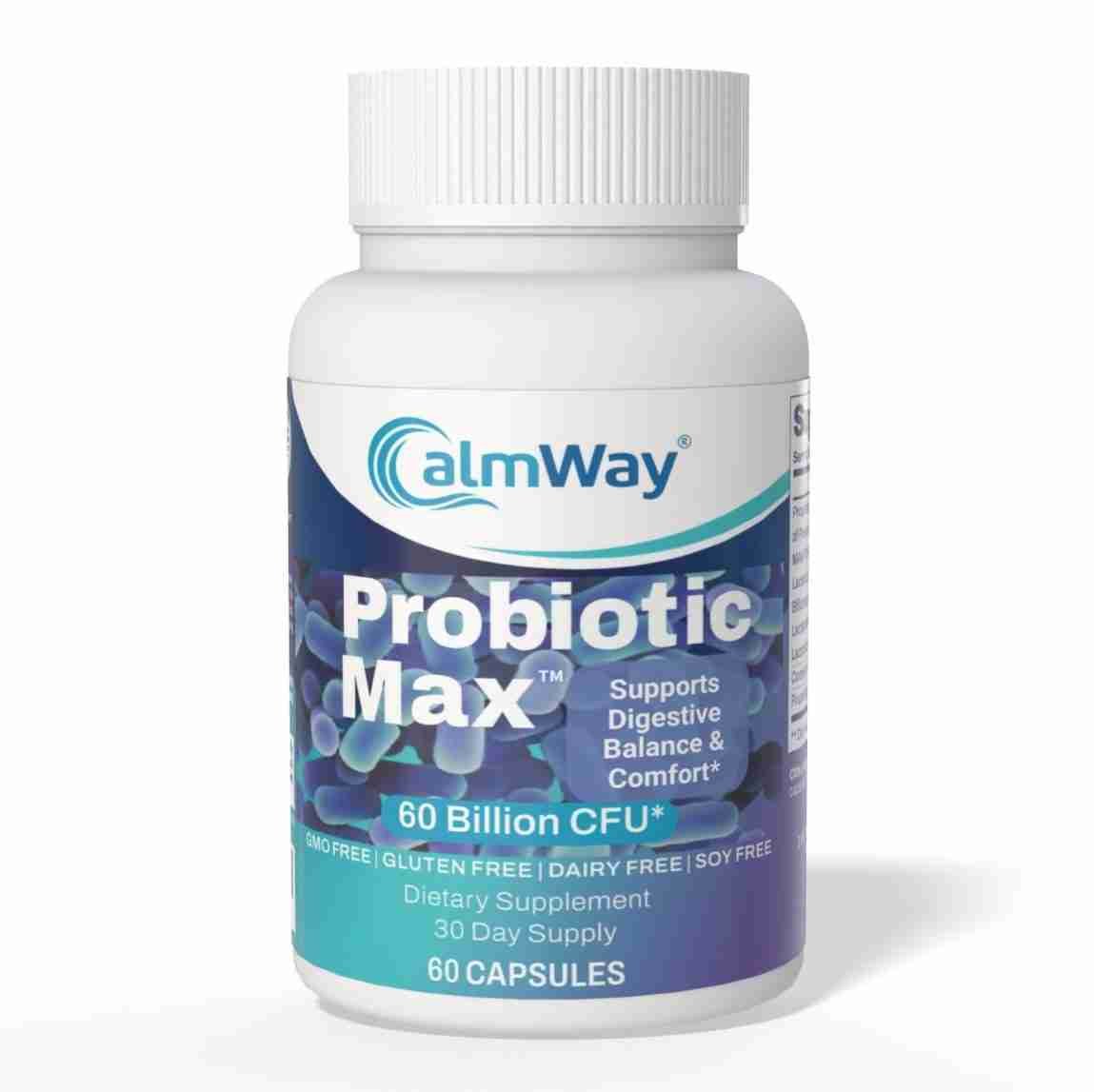


$19.99


$19.99

$23.99
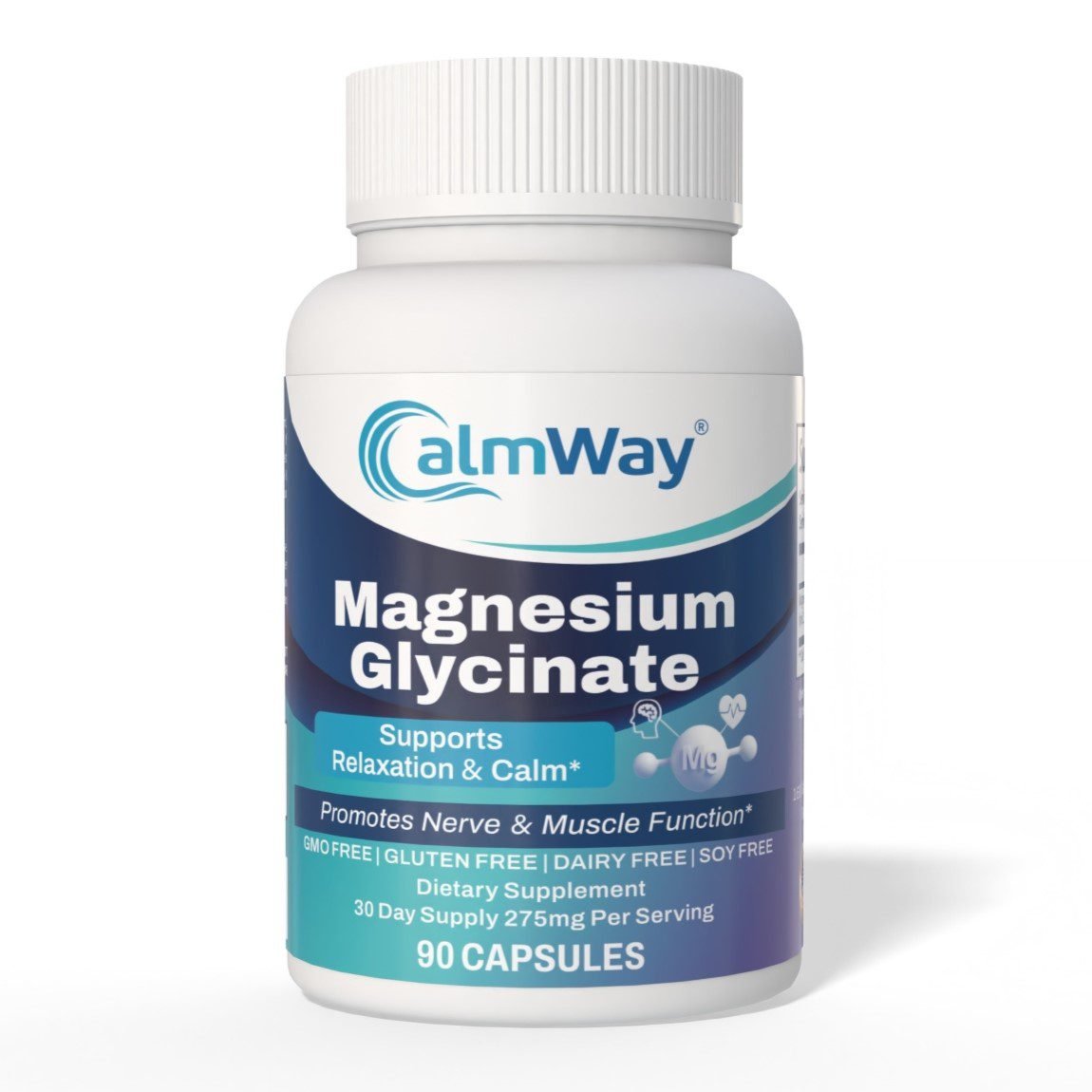
$23.99
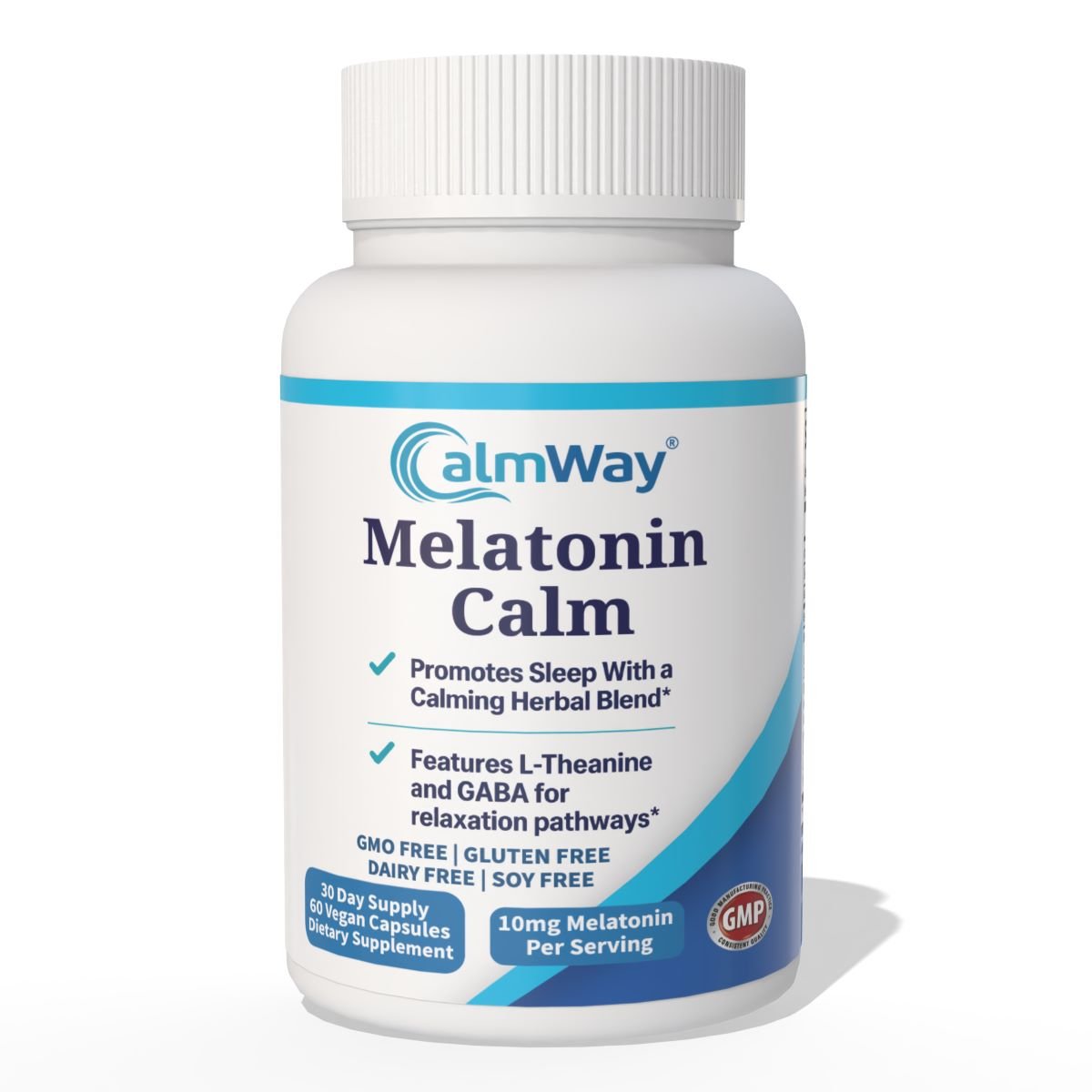
$19.99
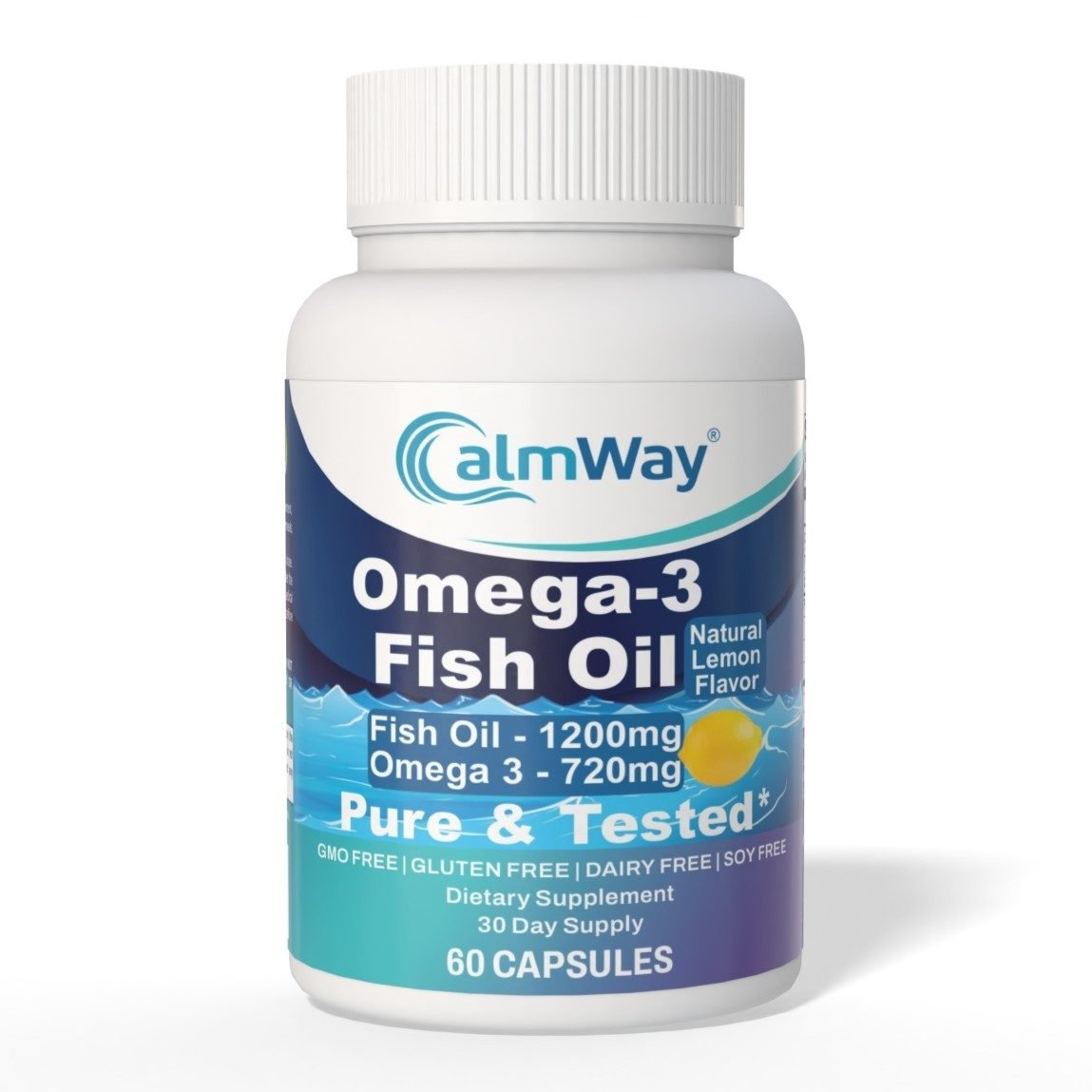
$19.99

Hormones are chemical messengers that regulate various biological functions, including metabolism, mood, fertility, energy levels, and sleep. When hormones fall out of balance—due to stress, aging, poor diet, or medical conditions—it can lead to symptoms like fatigue, acne, weight gain, mood swings, irregular periods, and more. While conventional treatments like hormone replacement therapy (HRT) and medications can be effective, many people are turning to natural alternatives to support hormone health.
Herbal medicine has been used for centuries across different cultures to promote hormonal equilibrium. Scientific research is now beginning to validate some of these traditional uses. Below are 10 of the best herbs for hormone balance, supported by traditional knowledge and modern evidence.
Native to the Andes Mountains of Peru, maca is a cruciferous vegetable often used as an adaptogen.
Maca doesn’t contain hormones, but it may help regulate the hypothalamic-pituitary-adrenal (HPA) axis and support overall endocrine function.
A study published in Menopause found that maca helped improve mood and alleviate symptoms of Menopause, such as hot flashes and sleep disturbances [1].
An adaptogenic herb from Ayurvedic medicine, ashwagandha, supports stress resilience.
Ashwagandha reduces cortisol, the body’s primary stress hormone, positively influencing the entire endocrine system.
A 2019 clinical trial in Medicine (Baltimore) showed that ashwagandha supplementation significantly lowered serum cortisol and improved perceived stress [2].
Also known as chasteberry, this Mediterranean plant has a long history in women’s health.
Vitex influences the pituitary gland to increase luteinizing hormone (LH) and inhibit prolactin, which helps restore the balance between estrogen and progesterone.
A study in BMJ showed that Vitex significantly improved symptoms of premenstrual syndrome compared to placebo [3].
Used traditionally by Native American tribes, black cohosh is one of the most studied herbs for Menopause.
Though not phytoestrogenic, black cohosh acts on serotonin receptors and may mimic estrogen’s effects in specific tissues.
A review in The Journal of Women’s Health concluded that black cohosh effectively reduces menopausal symptoms with a favorable safety profile [4].
A hardy herb from Siberia, Rhodiola is another potent adaptogen.
Rhodiola helps balance the HPA axis, reduces cortisol, and improves resilience to physical and emotional stress.
A randomized controlled trial published in Phytomedicine found that Rhodiola improved symptoms of burnout and fatigue in a working population [5].
A fundamental Traditional Chinese Medicine (TCM) herb, Dong Quai, is known as “female ginseng.”
It has mild phytoestrogenic effects and works synergistically with other herbs to tonify and regulate the female reproductive system.
While more studies are needed, one review in the Journal of Ethnopharmacology suggests Dong Quai may support hormone-related conditions when used in formulas [6].
Licorice root has adaptogenic and estrogenic properties in both Western and Eastern medicine.
It modulates cortisol levels by inhibiting the enzyme 11β-HSD2, which breaks down cortisol. It also mildly mimics estrogen.
It should be used under supervision, especially in high blood pressure patients.
A study published in Steroids found that licorice root can exert estrogen-like activity in human cells [7].
A revered herb in Ayurveda, Shatavari is traditionally used for female reproductive health.
It has phytoestrogenic effects and is thought to nourish the female reproductive system and hormonal glands.
A 2018 study in Biomedicine & Pharmacotherapy found that Shatavari extracts had estrogenic activity and improved reproductive health markers [8].
Known as Tulsi in Ayurveda, this adaptogenic herb is considered sacred in India.
Holy Basil modulates the stress response by lowering cortisol and promoting relaxation, indirectly supporting hormonal balance.
The Journal of Ayurveda and Integrative Medicine review confirms Tulsi’s adaptogenic and stress-reducing effects [9].
A flowering plant rich in isoflavones is a plant-based compound similar in structure to estrogen.
Red clover isoflavones can bind to estrogen receptors, relieving low-estrogen symptoms.
A meta-analysis in Maturitas showed that red clover significantly reduced the frequency and severity of hot flashes in menopausal women [10].
Hormone imbalances can manifest in myriad ways—from fatigue and anxiety to irregular cycles and infertility. While conventional medicine offers valuable interventions, herbal remedies provide a practical, natural approach to hormonal health. The 10 herbs discussed above—maca, ashwagandha, Vitex, black cohosh, Rhodiola, dong quai, licorice root, Shatavari, holy Basil, and red clover—can play a vital role in restoring balance to the endocrine system.
These herbs help in various ways: supporting the adrenal glands, mimicking estrogen, enhancing progesterone, reducing stress, or supporting thyroid and reproductive function. When used mindfully and combined with lifestyle factors like a balanced diet, regular exercise, and stress management, these herbs can be powerful allies in achieving hormonal harmony.


No account yet?
Create an Account