



$19.99


$19.99

$23.99

$23.99

$19.99

$19.99
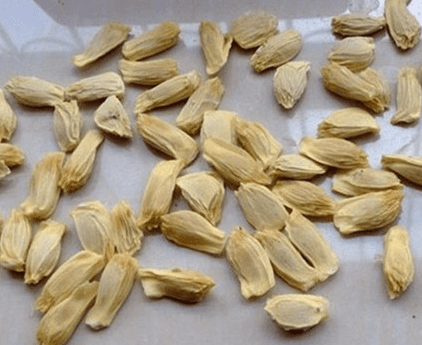
Grapefruit, a citrus fruit known for its tangy flavor and high vitamin C content, is a popular choice among health-conscious individuals. While the pulp and juice of grapefruit are widely consumed and well-studied, grapefruit seeds are often discarded. However, recent interest in natural remedies and plant-based nutrition has led to increased curiosity about grapefruit seeds’ potential benefits and nutritional content. So, are grapefruit seeds nutritious? Let’s explore the current research and nutritional insights surrounding these overlooked components of the fruit.
Unlike the flesh of the fruit, the nutritional composition of grapefruit seeds is less frequently documented in standard food databases. However, some studies and analyses suggest that grapefruit seeds contain a range of potentially beneficial compounds:
Much of the attention surrounding grapefruit seeds has centered on grapefruit seed extract (GSE), a commercial product made by processing the seeds and pulp into a highly concentrated liquid or powder. GSE is widely marketed as a dietary supplement and natural antimicrobial agent.
Despite its potential, grapefruit seed extract has faced criticism and controversy regarding its true composition. Several studies have found that some commercial GSE products may contain synthetic preservatives, such as benzethonium chloride and triclosan, which are not naturally occurring in grapefruit seeds but may be added during manufacturing (Woedtke et al., 1999). These substances contribute to the product’s antimicrobial activity but raise concerns about misleading labeling and safety.
Furthermore, grapefruit and its derivatives, including the seeds, can interact with certain medications. Compounds in grapefruit inhibit cytochrome P450 enzymes, particularly CYP3A4, which can lead to increased blood levels of drugs such as statins, calcium channel blockers, and certain immunosuppressants (Bailey et al., 2013). While the seeds may contain lower levels of these compounds than the juice, drug interaction risk cannot be entirely ruled out, especially with concentrated extracts.
Eating a few grapefruit seeds accidentally while enjoying the fruit is generally considered safe. They are non-toxic in small quantities and may even provide some health benefits due to their bioactive compounds. However, their hard texture and bitter taste make them less appealing for regular consumption in their raw form.
If you’re considering grapefruit seed extract as a supplement, choosing high-quality, reputable products that are transparent about their ingredients and manufacturing processes is essential. Consulting with a healthcare provider is advisable, especially if you’re on medication or have underlying health conditions.
While not a common dietary component, grapefruit seeds possess several potentially beneficial compounds, including antioxidants, flavonoids, and essential fatty acids. These attributes, particularly when concentrated in grapefruit seed extract, have led to a variety of health claims ranging from antimicrobial effects to antioxidant protection. However, caution is warranted due to concerns about adulteration in some commercial products and the risk of drug interactions.
In summary, grapefruit seeds are modestly nutritious and may offer some health-promoting effects, especially in extract form. However, more rigorous clinical studies are needed to understand their benefits and safety profile fully. Grapefruit seed extract can be a worthwhile consideration for those intrigued by natural health supplements, provided it is used responsibly and with proper guidance.


No account yet?
Create an Account


