

$19.99


$19.99
$23.99
$23.99
$19.99
$19.99
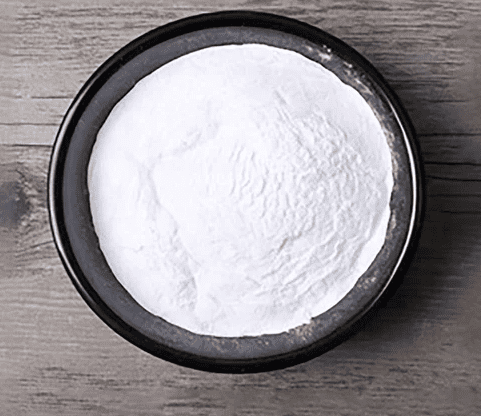
DMAE bitartrate, or dimethylaminoethanol bitartrate, is commonly found in nootropic (brain-enhancing) supplements. DMAE is a naturally occurring substance structurally similar to choline, a nutrient essential for brain function. In supplement form, DMAE is often combined with bitartrate, a salt of tartaric acid, to enhance its stability and absorption.
Though DMAE has been used in skincare and neurological health products for decades, its cognitive-enhancing properties have recently gained popularity. Although research findings remain mixed, it is marketed for improving memory, focus, mental clarity, and mood.
DMAE is a chemical compound made up of a dimethylamino group attached to ethanol. It occurs naturally in small amounts in the human brain and in certain foods, such as anchovies and sardines. As a precursor to choline, DMAE may help increase acetylcholine, a neurotransmitter involved in memory and learning (1).
In supplements, DMAE is typically stabilized as DMAE bitartrate, which is more bioavailable and shelf-stable. This form is commonly found in capsules, powders, and topical creams.
DMAE is believed to function by increasing the availability of acetylcholine in the brain. Acetylcholine is one of the most important neurotransmitters for attention, memory, and neuroplasticity.
Although DMAE itself is not converted into acetylcholine as efficiently as choline, it may inhibit choline metabolism, resulting in a transient increase in acetylcholine levels (2). Additionally, DMAE is thought to exert mild stimulant-like effects without the jitteriness associated with caffeine or amphetamines.
It also has antioxidant properties and may protect cell membranes by reducing the buildup of lipofuscin, a pigment that accumulates in aging cells and is linked to cognitive decline (3).
DMAE is frequently marketed as a nootropic that may support memory and learning. Some early studies and anecdotal evidence suggest that DMAE supplementation could enhance attention, reduce mental fatigue, and improve short-term memory, especially in aging adults (4).
However, clinical trials in this area are limited, and results are inconsistent. Some research shows modest benefits, while others find no significant cognitive improvements.
One of the more promising effects of DMAE may be on mood. DMAE may help promote a sense of well-being, motivation, and emotional stability. A small double-blind study published in Psychopharmacologia found that DMAE supplementation was associated with increased alertness and improved mood in healthy adults (5).
Some practitioners use DMAE as an adjunct in managing symptoms of mild depression or attention-deficit/hyperactivity disorder (ADHD), although this is not an approved medical use.
DMAE has found a niche in dermatology, particularly in anti-aging skin products. Topical DMAE may help tighten and firm the skin, reduce fine lines, and improve skin tone. A placebo-controlled study published in the American Journal of Clinical Dermatology found that topical DMAE improved skin firmness and had anti-inflammatory effects without significant side effects (6).
Its antioxidant properties may also protect skin cells from oxidative stress and reduce age-related pigmentation.
Although limited, some early animal studies and anecdotal reports suggest that DMAE may provide neuroprotective benefits, possibly delaying age-related cognitive decline. However, more high-quality human studies are needed to confirm this effect (7).
DMAE bitartrate is typically taken in doses ranging from 100 mg to 500 mg per day, though some users take higher amounts under professional supervision. It is available in various forms:
When used topically, DMAE is usually included in concentrations ranging from 1% to 3% in cosmetic products.
As with any supplement, it is best to start with a low dose and observe for side effects before increasing intake.
DMAE is generally considered safe for most healthy adults when used in moderate doses. However, some individuals may experience side effects, particularly at higher doses. These may include:
There is limited research on the long-term safety of DMAE, especially in high doses. Pregnant or breastfeeding women and individuals with a history of bipolar disorder or epilepsy should avoid DMAE, as it may exacerbate symptoms or lower seizure thresholds.
Always consult a healthcare provider before starting DMAE, especially if you are on medication or have a neurological condition.
While early studies and anecdotal reports show some promise, more rigorous clinical trials are needed to confirm the cognitive and neurological benefits of DMAE. The compound remains somewhat controversial due to the inconsistencies in the available data and limited understanding of its long-term effects on brain chemistry.
DMAE bitartrate is a compound with potential benefits for brain function, mood, and skin health. As a possible modulator of acetylcholine levels, it may improve alertness, mental clarity, and emotional balance. Its antioxidant and anti-aging properties also make it a popular ingredient in skincare.
However, due to the limited scope of high-quality human studies, DMAE should be approached with caution. It may offer benefits for some individuals, but more research is necessary to establish its efficacy and safety, especially in the long term.
As always, it’s best to consult with a healthcare professional before adding DMAE to your supplement regimen.


No account yet?
Create an Account