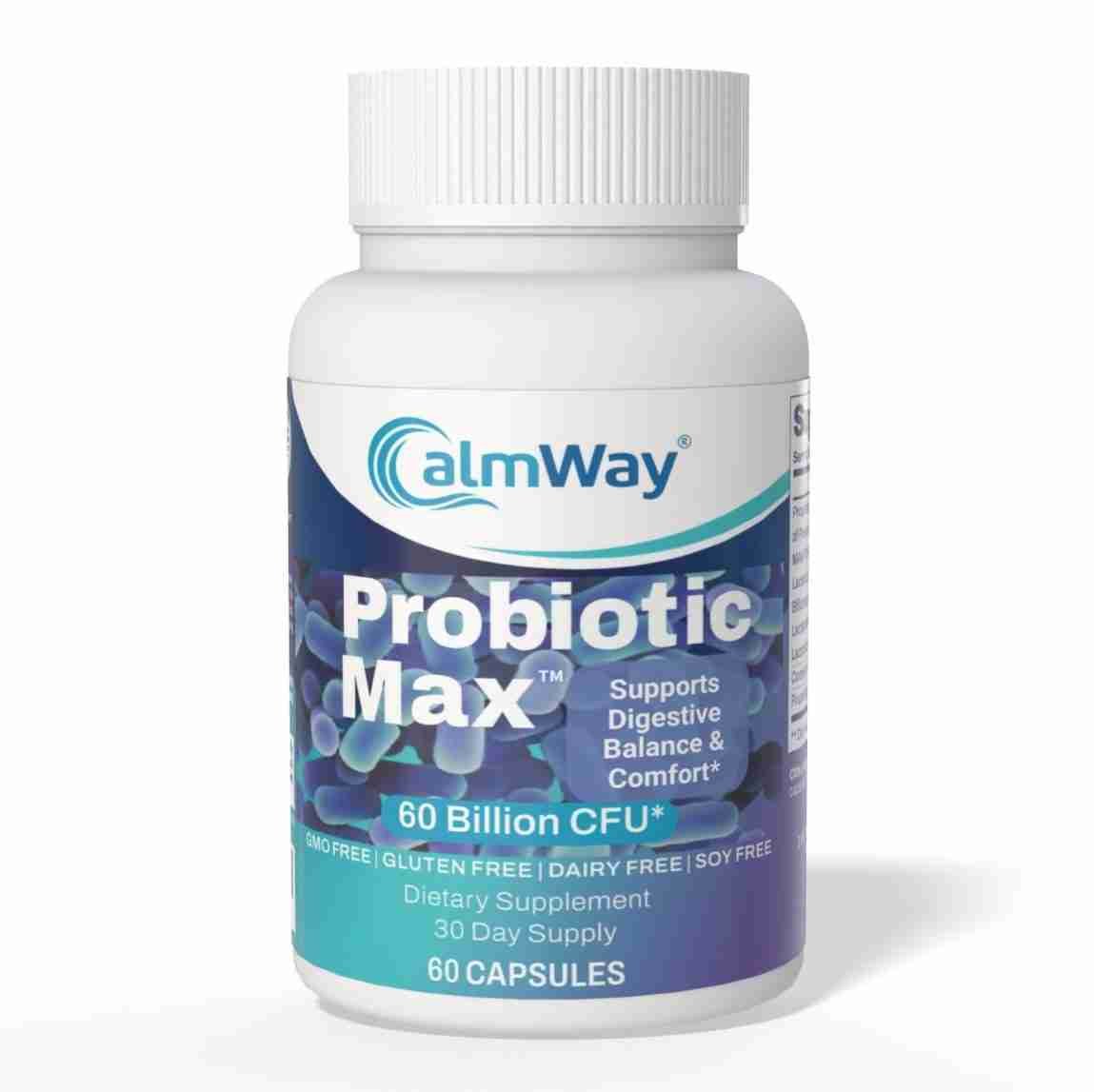


$19.99


$19.99
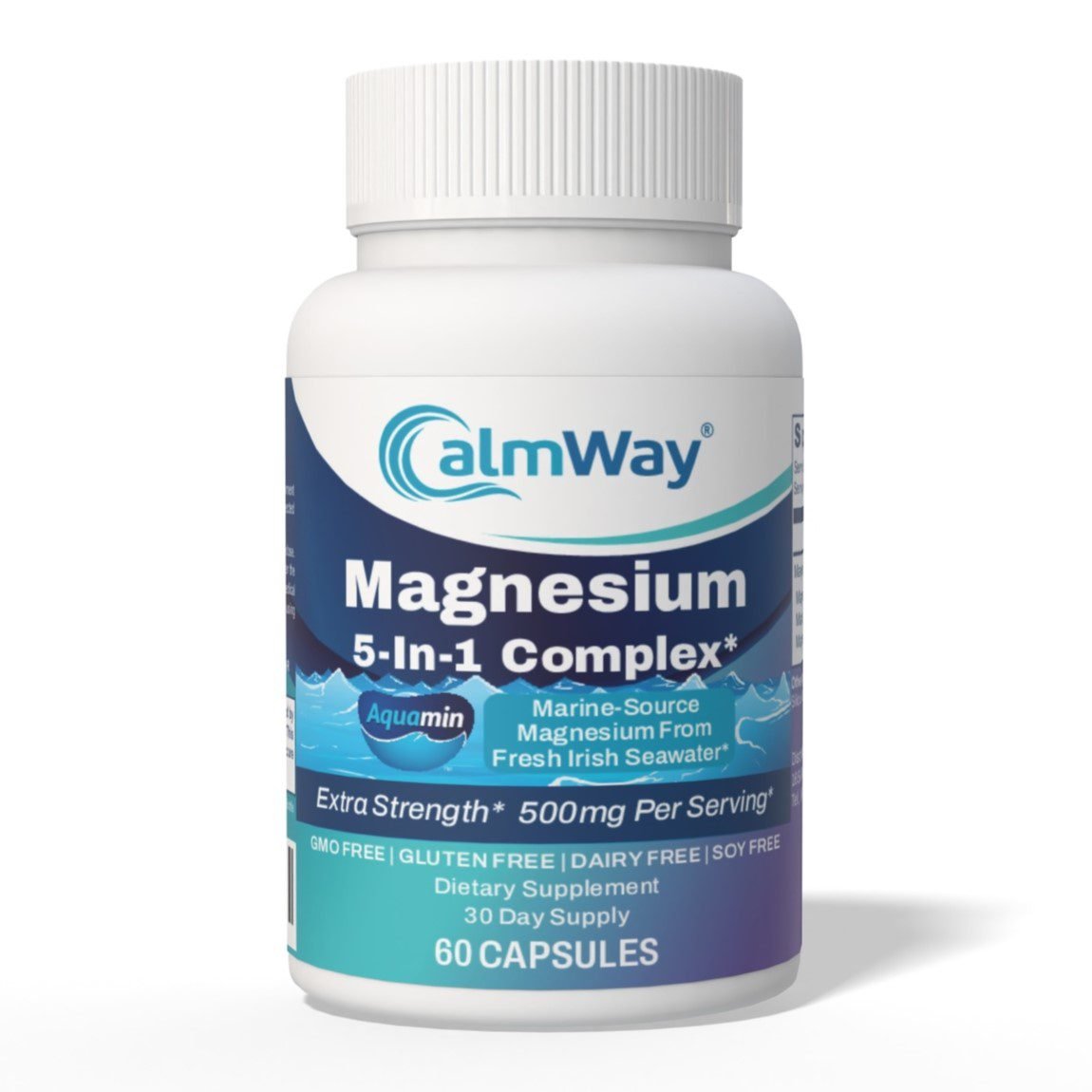
$23.99
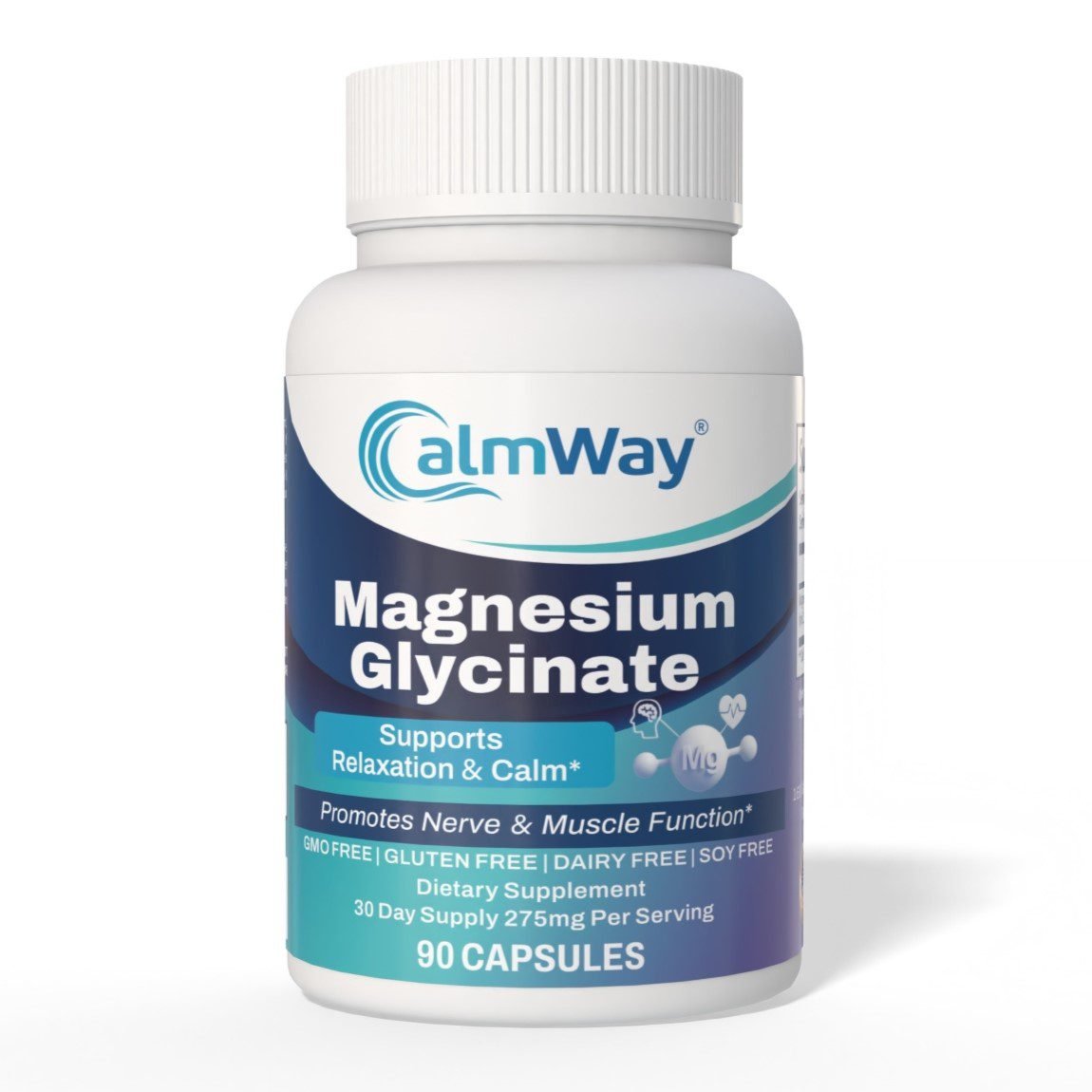
$23.99
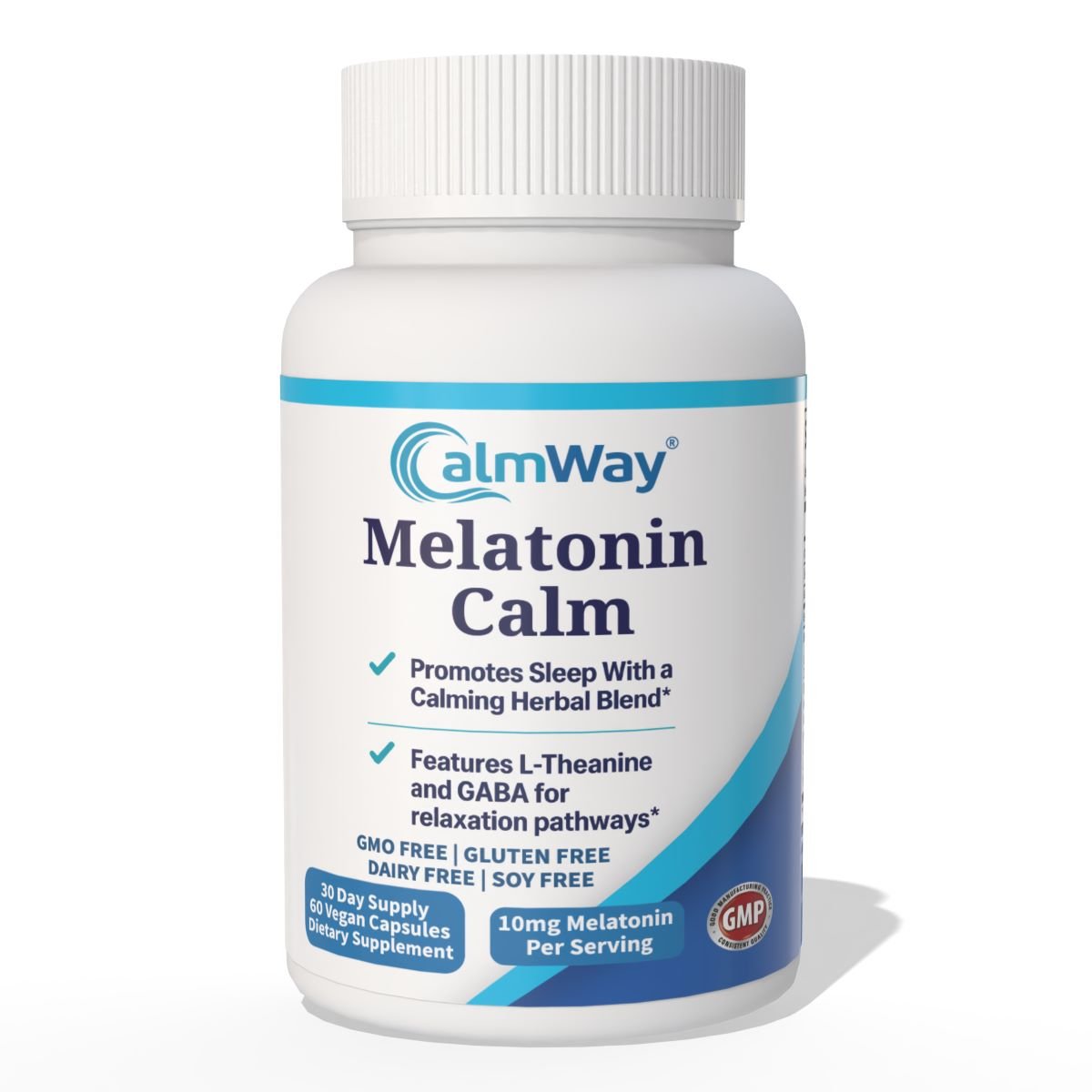
$19.99
$19.99
“You can naturally treat anxiety without medication with simple lifestyle changes.”
Meet Jane, a 52-year-old retired professional who, like many others in her age group, has been dealing with mild to moderate levels of anxiety. She often finds her mind racing, stuck in a constant state of ‘fight or flight’ mode, triggered even by the simplest of thoughts or everyday events.
Anxiety is one of the most common mental health issues worldwide, affecting over 300 million people annually (WHO, 2023). While medications like selective serotonin reuptake inhibitors (SSRIs) and benzodiazepines are frequently prescribed, they come with potential side effects, risk of dependence, and long-term concerns. Fortunately, there is a growing body of evidence supporting natural and non-pharmacological approaches to treating anxiety—approaches that not only address symptoms but empower individuals to manage their mental health holistically.
This article explores science-backed methods to reduce and manage anxiety without medication, ranging from cognitive therapies and lifestyle changes to nutrition, mindfulness, and physical activity.
Cognitive Behavioral Therapy is considered the gold standard in non-drug treatment for anxiety disorders. CBT works by identifying and challenging irrational or maladaptive thoughts and replacing them with healthier, balanced thinking patterns.
Numerous studies confirm CBT’s effectiveness. A meta-analysis by Hofmann et al. (2012) found that CBT significantly reduces symptoms of generalized anxiety disorder (GAD), panic disorder, and social anxiety disorder, with effects often outlasting medication benefits.
Mindfulness—the practice of present-moment awareness without judgment—has been shown to reduce anxiety significantly. Regular mindfulness meditation alters brain regions associated with fear and worry, such as the amygdala and prefrontal cortex (Hölzel et al., 2011).
A study published in JAMA Internal Medicine (Goyal et al., 2014) showed that mindfulness meditation programs can reduce anxiety symptoms comparably to traditional pharmacological treatments.
Physical activity is a powerful and natural anti-anxiety tool. Exercise increases the production of endorphins and brain-derived neurotrophic factor (BDNF), which both regulate mood and reduce inflammation in the brain.
According to a 2021 meta-analysis of Depression and Anxiety, exercise was found to be as effective as medication in reducing anxiety symptoms in both clinical and non-clinical populations (Rebar et al., 2015).
Emerging science points to a strong gut-brain connection, with gut health critical to mental well-being. A poor diet high in processed foods, sugar, and caffeine can exacerbate anxiety symptoms.
Chronic anxiety often causes shallow, rapid breathing, which stimulates the sympathetic nervous system—the “fight or flight” response. Controlled breathing activates the parasympathetic nervous system, calming the body and mind.
A 2017 study in Frontiers in Psychology found that slow, controlled breathing significantly lowered stress and anxiety by regulating autonomic nervous system activity.
Poor sleep and anxiety are tightly interlinked. Lack of sleep amplifies emotional reactivity and reduces the brain’s ability to regulate stress.
According to research published in Nature Human Behaviour (Ben Simon et al., 2020), even one night of poor sleep increases anxiety by up to 30%, while deep, slow-wave sleep reduces emotional reactivity.
Caffeine stimulates the central nervous system, and in sensitive individuals, it can trigger anxiety attacks. Alcohol, though initially sedative, disrupts sleep and increases cortisol the next day.
A study in General Hospital Psychiatry found that high caffeine consumption was linked to increased anxiety and panic attacks, especially in those already prone to anxiety (Smith, 2002).
Writing down thoughts and feelings helps organize emotional chaos, reduce rumination, and gain perspective.
A 2018 study in JMIR Mental Health showed that expressive writing reduced anxiety and stress, particularly when paired with other mindfulness practices.
Isolation can worsen anxiety. Regular interaction with supportive people improves resilience and mood. Sharing your experience can reduce stigma and foster emotional safety.
Harvard’s long-running Adult Development Study found that strong social relationships best predict happiness and lower stress levels over a lifetime (Waldinger & Schulz, 2016).
Spending time in nature, also known as “green therapy,” calms the mind. Nature exposure reduces cortisol levels and blood pressure and activates the brain’s default mode network associated with relaxation.
A study published in Environmental Health and Preventive Medicine found that 20 minutes of natural exposure daily significantly lowered cortisol and improved mood (Park et al., 2010).
While lifestyle changes can be highly effective, it is important to seek professional help if:
A licensed therapist can help you build a personalized, non-pharmaceutical treatment plan that aligns with your values and goals.
Anxiety does not have to be managed solely with medication. Through a combination of behavioral techniques, lifestyle changes, and natural remedies, many people find relief, empowerment, and lasting resilience. These strategies work best when practiced consistently and integrated into daily life as habits, not quick fixes.
The path to calm and clarity starts with one small, conscious step—a deep breath, a mindful walk, or talking to someone who understands.


No account yet?
Create an Account