


$19.99


$19.99

$23.99

$23.99
$19.99

$19.99
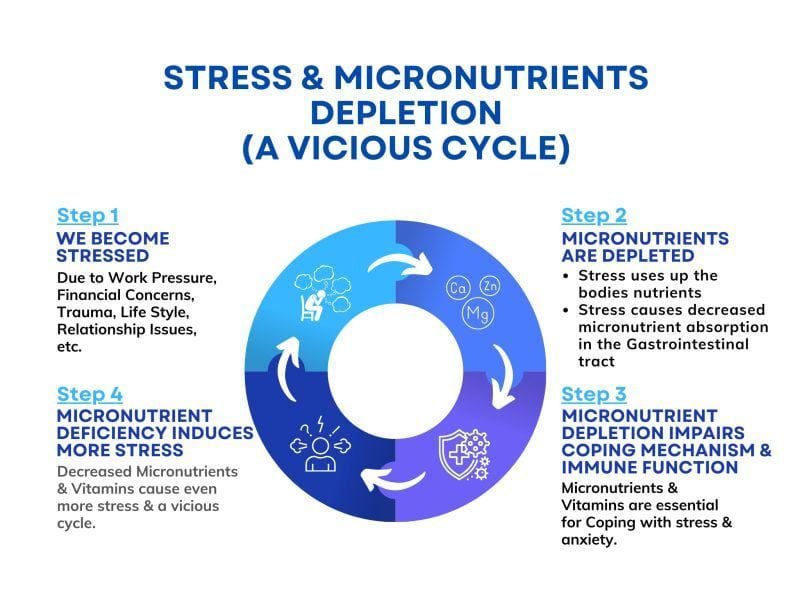
In our fast-paced, high-pressure world, stress has become ubiquitous in daily life. While short-term stress can be adaptive, chronic stress has far-reaching consequences for physical, mental, and emotional health. One lesser-known but crucial aspect of stress is its impact on nutrient levels in the body. The “stress micronutrient depletion cycle” describes a self-perpetuating loop in which chronic stress depletes essential vitamins and minerals, impairing the body’s ability to cope with further stress and exacerbating health issues. Understanding this cycle is vital for managing stress effectively and supporting overall well-being.
When the body encounters a stressor—be it physical, emotional, or psychological—it activates the hypothalamic-pituitary-adrenal (HPA) axis, releasing cortisol, the primary stress hormone. Cortisol mobilizes glucose, suppresses non-essential functions like digestion and immunity, and increases mental alertness to respond to the threat (Sapolsky, 2004). While beneficial in the short term, prolonged cortisol elevation contributes to systemic inflammation, anxiety, fatigue, and nutritional imbalances.
Stress also activates the sympathetic nervous system, increasing heart rate and blood pressure while decreasing the body’s capacity for nutrient absorption and digestive efficiency (Gibney et al., 2009). These physiological changes place greater demand on certain micronutrients, leading to accelerated depletion.
Magnesium plays a central role in over 300 enzymatic processes, including energy production, muscle and nerve function, and regulation of the stress response. Stress increases urinary excretion of magnesium and reduces intestinal absorption (Barbagallo & Dominguez, 2010). A magnesium deficiency, in turn, can heighten anxiety, disrupt sleep, and increase cortisol production, further perpetuating the stress cycle.
Known for its immune-boosting properties, vitamin C is a powerful antioxidant that helps modulate cortisol levels. High stress leads to the rapid depletion of vitamin C from adrenal tissues, which is required for cortisol synthesis (Brody, 2002). Low vitamin C levels can weaken immune defenses and increase susceptibility to illness, often seen in chronically stressed individuals.
B-complex vitamins are essential for brain health, neurotransmitter production, and energy metabolism. Chronic stress increases the body’s demand for B vitamins, particularly B5 (pantothenic acid), which is directly involved in the synthesis of adrenal hormones (Kennedy, 2016). Deficiencies in B vitamins are associated with mood disorders, irritability, and fatigue—all symptoms that can further amplify stress.
Zinc is critical for immune function, brain health, and hormonal regulation. During stress, zinc is redistributed from serum to the liver and other organs, reducing its bioavailability (Song et al., 2009). Zinc deficiency has been linked to depressive symptoms, reduced cognitive function, and impaired wound healing.
Stress hormones like calcium and potassium affect the balance of electrolytes. Increased cortisol leads to calcium loss through urine and impairs absorption, contributing to muscle cramps, irritability, and insomnia (Peterson, 2005). Potassium depletion affects cardiovascular function and can increase the risk of arrhythmias during stressful periods.
Micronutrients are essential cofactors in the body’s stress-response pathways. When they are depleted:
This leads to a vicious cycle: stress causes nutrient depletion, which weakens the body’s ability to respond to stress, leading to more stress and further depletion.
A whole-food diet rich in vegetables, fruits, legumes, nuts, seeds, lean proteins, and whole grains provides the foundational nutrients necessary to buffer the effects of stress. Key foods include:
Processed foods, caffeine, alcohol, and high-sugar diets deplete micronutrients further and should be minimized.
While food should be the primary source of nutrients, targeted supplementation can be helpful, particularly during acute or chronic stress. Research supports the use of:
Always consult a healthcare provider before starting new supplements.
Mindfulness meditation, deep breathing, and yoga can counteract the physiological impacts of stress, supporting better nutrient absorption and reducing cortisol output. These practices lower sympathetic nervous system activity and restore digestive and immune function (Goyal et al., 2014).
Regular physical activity enhances nutrient delivery to cells, improves mood, and helps regulate cortisol levels. Quality sleep restores metabolic balance and allows for the repair of tissues affected by stress. Both sleep and exercise have been shown to increase resilience to future stressors (Kandola et al., 2019).
Certain groups are particularly vulnerable to the stress-nutrient depletion cycle:
These groups may benefit most from proactive strategies to support micronutrient intake and stress management.
Functional nutrition and integrative medicine are emerging approaches to breaking the stress-nutrient cycle. These approaches focus on individualized assessments of nutrient status, hormonal balance, and lifestyle factors. Practitioners may use blood or hair mineral analysis to detect deficiencies and tailor interventions accordingly.
Additionally, nutrition counseling can empower individuals with knowledge and tools to make lasting dietary changes that buffer against future stressors.
The stress micronutrient depletion cycle is a hidden yet powerful mechanism that underlies many of the adverse effects of chronic stress. By understanding which nutrients are most affected and how deficiencies impair stress resilience, individuals can take proactive steps to nourish their bodies and minds.
Breaking the cycle requires a holistic approach—nutrient-rich diets, mindful living, quality sleep, and, when appropriate, supplementation. These strategies mitigate the effects of stress and build a stronger foundation for long-term health and well-being.


No account yet?
Create an Account