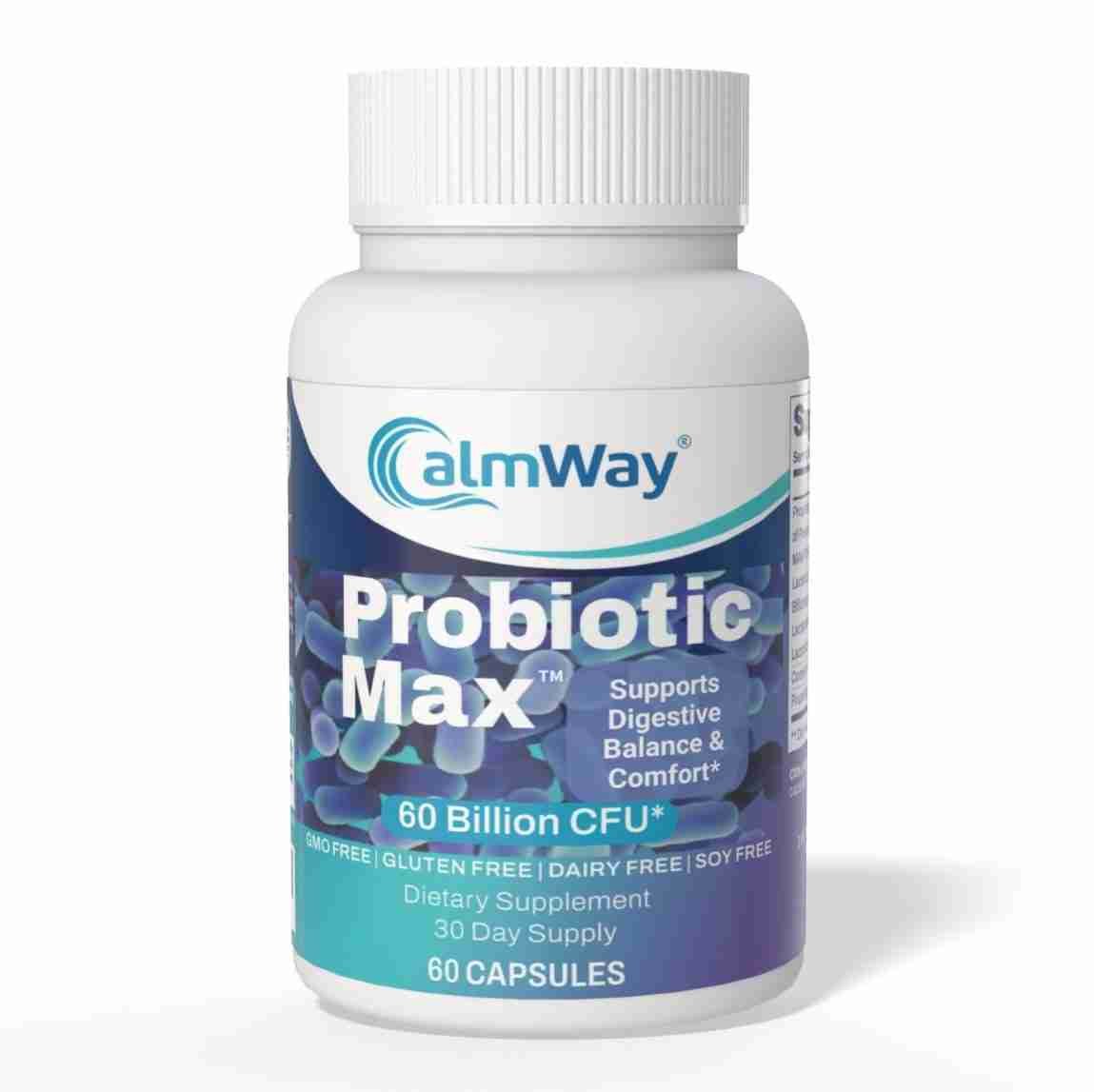


$19.99


$19.99
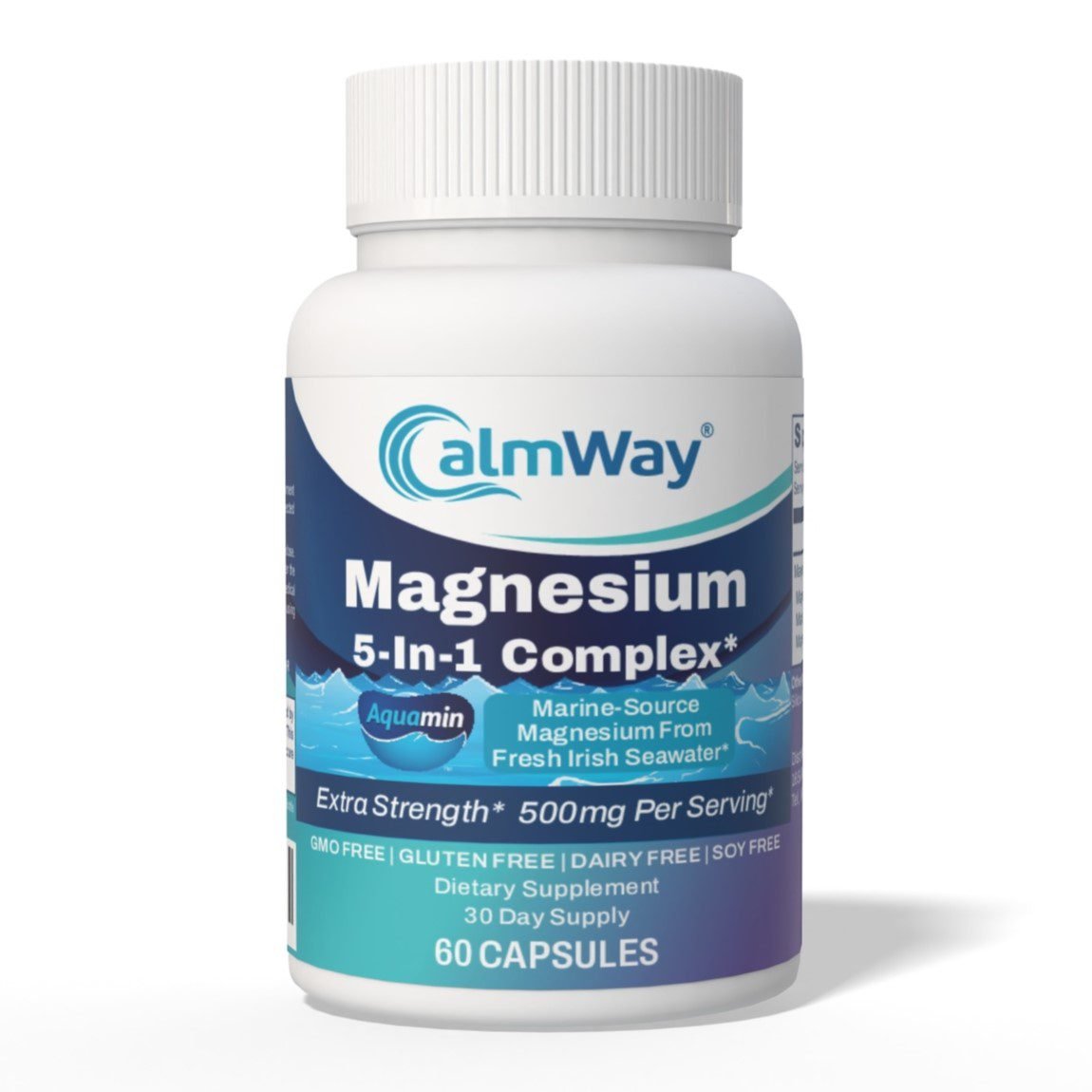
$23.99
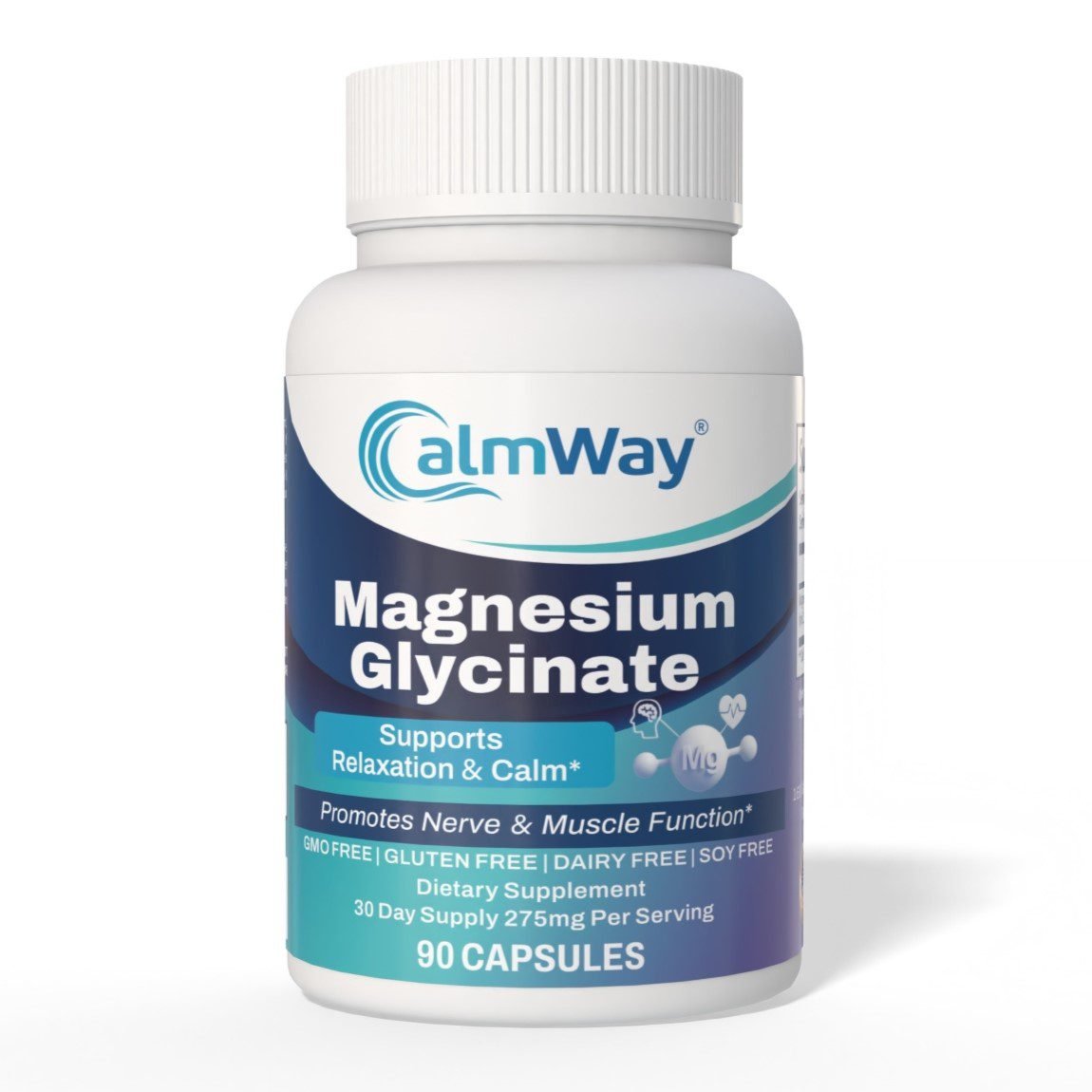
$23.99
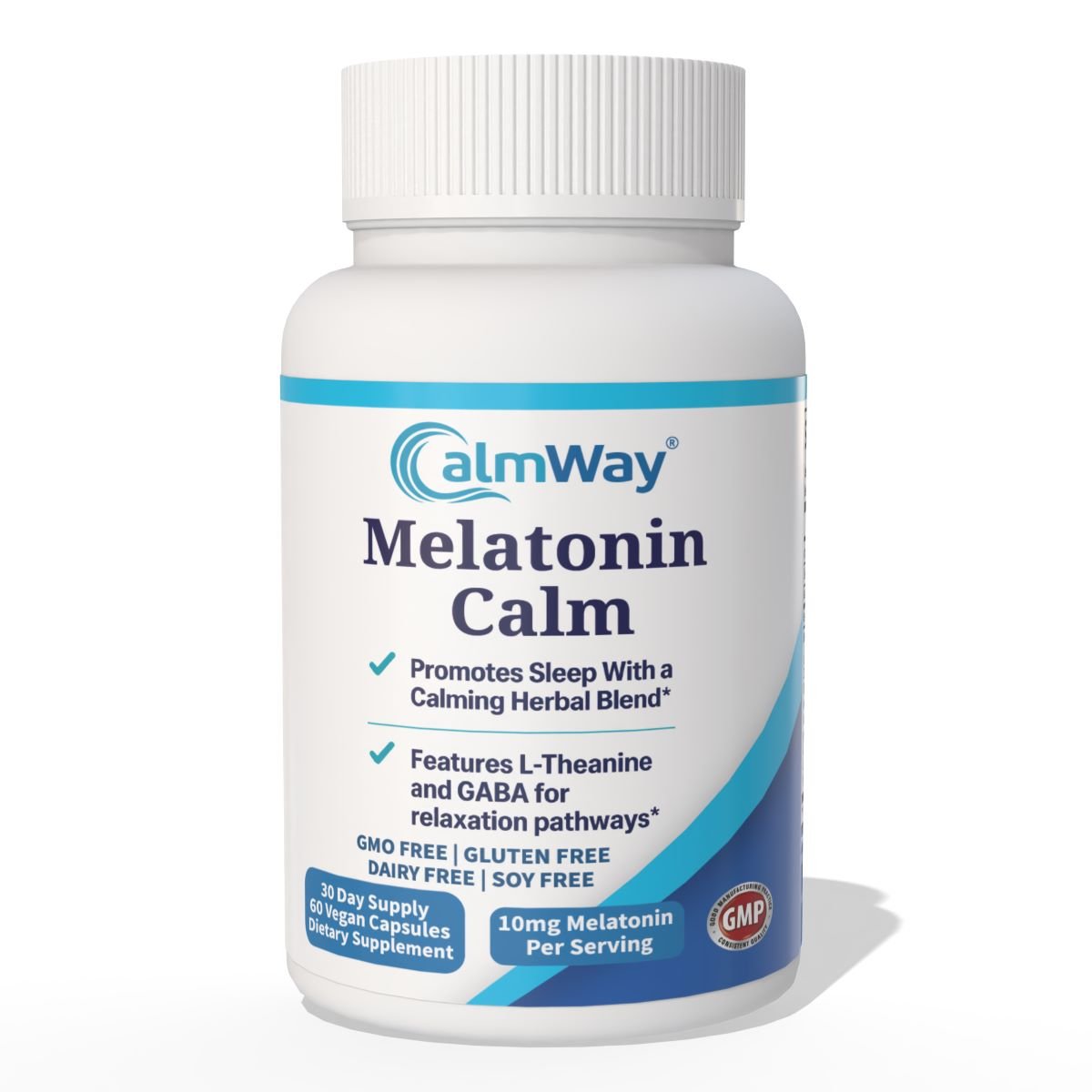
$19.99

$19.99

Collagen peptides are short chains of amino acids derived from collagen, the most abundant protein in the human body. Collagen is a primary structural component in skin, bones, tendons, ligaments, cartilage, and connective tissue. Collagen peptides—hydrolyzed collagen or collagen hydrolysate—are created by breaking down full-length collagen proteins into smaller fragments that are easier for the body to absorb and utilize.
In recent years, collagen peptides have become a popular dietary supplement for promoting skin health, joint function, and muscle recovery.
Collagen is a fibrous protein composed primarily of the amino acids glycine, proline, and hydroxyproline. It provides strength and elasticity to connective tissues and plays a key role in maintaining the integrity of skin, joints, and bones.
There are at least 28 different types of collagen, but types I, II, and III are the most common:
As we age, collagen production naturally declines, leading to wrinkles, joint discomfort, and reduced skin elasticity. Collagen peptides may offer benefits in this area.
Collagen peptides are produced through enzymatic hydrolysis, which breaks down collagen sourced from animal products (usually bovine, marine, or porcine collagen) into smaller peptide chains. These peptides are then easier to digest and more efficiently absorbed into the bloodstream.
Once absorbed, collagen peptides stimulate the body’s own collagen production by delivering the necessary building blocks, particularly hydroxyproline and glycine.
One of the most researched benefits of collagen peptides is their ability to enhance skin elasticity, hydration, and wrinkle reduction. A study published in Skin Pharmacology and Physiology (2014) found that women who consumed 2.5–5 grams of collagen peptides daily for eight weeks experienced significantly improved skin elasticity compared to a placebo group (Proksch et al., 2014).
Another randomized controlled trial in Nutrients (2019) showed that collagen supplementation reduced facial wrinkles and increased skin density and hydration over 12 weeks (Asserin et al., 2015).
Collagen peptides have also shown promise in supporting joint comfort and mobility, especially in people with osteoarthritis or joint pain from physical activity. A 2008 study published in Current Medical Research and Opinion reported reduced joint pain in athletes who took 10 grams of collagen hydrolysate daily for 24 weeks (Clark et al., 2008).
For bone health, collagen may help improve bone mineral density. A study in Nutrients (2018) found that postmenopausal women who took collagen peptides for 12 months had increased bone mineral density in the spine and femur (König et al., 2018).
Collagen peptides can support muscle recovery and help preserve lean muscle mass, especially when combined with resistance training. While not a complete protein source (it lacks some essential amino acids), collagen can still contribute to tissue repair and recovery.
A study in the British Journal of Nutrition (2015) showed that older men who supplemented with collagen peptides and followed a resistance training program gained more muscle mass and strength than those who took a placebo (Zdzieblik et al., 2015).
Although less extensively studied, anecdotal evidence and small trials suggest collagen peptides may promote stronger nails and healthier hair. A 2017 Journal of Cosmetic Dermatology study reported that daily collagen supplementation improved nail growth and reduced brittleness (Hexsel et al., 2017).
Collagen peptides are available in various forms:
The recommended dosage generally ranges from 2.5 to 10 grams daily, depending on the intended benefit. Collagen peptides can be taken with or without food and are commonly added to coffee, smoothies, or soups.
To maximize benefits, some supplements also include vitamin C, which plays a critical role in collagen synthesis.
Collagen peptides are generally recognized as safe (GRAS) by health authorities and have few reported side effects. Some users may experience mild digestive symptoms, such as bloating or fullness, especially when starting supplementation.
However, individuals with food allergies should carefully check the source of collagen (bovine, marine, or porcine), and those with dietary restrictions (e.g., vegans) should note that collagen is always animal-derived.
While research on collagen peptides is promising, there are a few considerations:
Collagen peptides offer a bioavailable and effective way to support skin, joint, bone, and muscle health, particularly as natural collagen production declines with age. Backed by growing scientific evidence, they are increasingly popular among health-conscious consumers seeking to improve aging-related concerns and overall vitality.
As with any supplement, it’s best to choose a high-quality product and consult a healthcare provider if you have specific health conditions or dietary needs.


No account yet?
Create an Account