

$19.99


$19.99
$23.99
$23.99
$19.99
$19.99
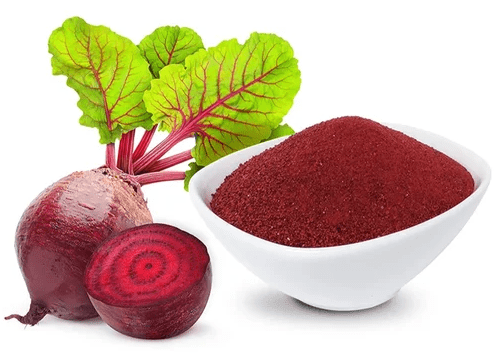
Beet juice powder, also known as beetroot powder, is a concentrated form of beetroot juice derived from the root of the beet plant (Beta vulgaris). It is created by juicing fresh beets, then drying the juice into a fine, water-soluble powder that retains most of the vegetable’s nutrients, including its vibrant red pigments known as betalains.
Beet juice powder is popular as a natural supplement due to its high content of nitrates, antioxidants, vitamins, and minerals. It is widely used to support cardiovascular health, athletic performance, and overall wellness.
Beet juice powder contains a dense concentration of nutrients, including:
Because it is concentrated, beet juice powder offers these nutrients in higher amounts per serving than raw or cooked beets.
One of the most well-studied benefits of beetroot powder is its ability to reduce blood pressure. This effect is largely attributed to its high nitrate content. When consumed, nitrates are converted into nitric oxide, a molecule that relaxes blood vessels, thereby improving circulation and lowering blood pressure.
A clinical study published in Hypertension found that consuming beetroot juice significantly reduced systolic blood pressure in hypertensive patients (Kapil et al., 2015). Regular use may also improve endothelial function, which is essential for vascular health.
Beet juice powder has gained popularity among athletes due to its potential to boost endurance and reduce fatigue. The increased nitric oxide levels improve oxygen utilization and blood flow, enhancing stamina during exercise.
A Journal of Applied Physiology meta-analysis found that dietary nitrate supplementation, including beetroot juice, improved exercise performance and reduced the oxygen cost of physical activity (McMahon et al., 2017).
The red pigment betalain, particularly betanin, in beetroot has been shown to support liver function and promote the body’s natural detoxification pathways. Betalains are known for their anti-inflammatory and antioxidant properties, helping the body neutralize toxins and reduce oxidative stress.
Research in Nutrients indicated that beetroot extract enhanced the activity of phase II liver detox enzymes, promoting detoxification (Clifford et al., 2015).
The increased nitric oxide production from beet juice powder may also support cognitive function, particularly in older adults. Improved blood flow to the brain is linked to better memory and processing speed.
A study published in Nitric Oxide found that older adults consuming beetroot juice before exercise experienced increased brain perfusion, especially in areas related to executive functioning (Presley et al., 2011).
Beetroot powder is rich in antioxidants, including betalains, vitamin C, and manganese. These help combat chronic inflammation and protect cells from oxidative damage, risk factors linked to heart disease, cancer, and aging.
It’s typically mixed with water, juice, or blended into foods and drinks, and the recommended dosage is 1 to 2 teaspoons (3–6 grams) per day.
Beet juice powder is generally considered safe for most people. However, some individuals may experience:
As with any supplement, pregnant or breastfeeding individuals and those with medical conditions should seek medical advice before use.
Beet juice powder is a nutrient-dense, natural supplement known for its powerful effects on heart health, athletic performance, brain function, and detoxification. With its high nitrate and antioxidant content, it offers a convenient way to enjoy the benefits of fresh beets without the mess or preparation.
Whether you’re an athlete looking to improve endurance or someone aiming to support cardiovascular or liver health, beet juice powder offers a versatile and evidence-backed addition to your health routine.


No account yet?
Create an Account