



$19.99


$19.99

$23.99

$23.99

$19.99

$19.99
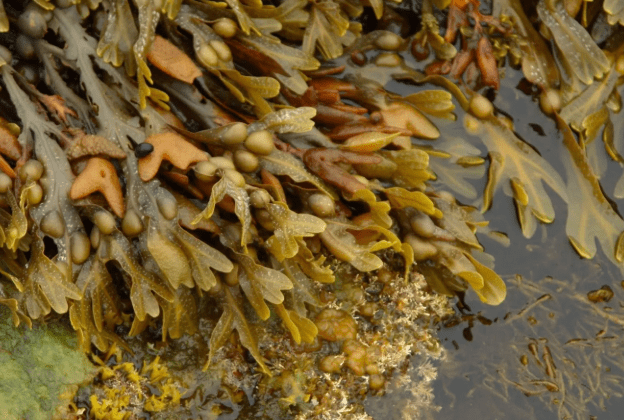
Bladderwrack (Fucus vesiculosus) is a type of brown seaweed found along the coasts of the North Sea, Baltic Sea, and the Atlantic and Pacific Oceans. As one of the earliest marine plants to be used medicinally, it has a long history in herbal medicine and continues to garner interest for its potential health benefits. Known for its distinctive air-filled pods or “bladders” that help it float, bladderwrack has been studied for its nutritional value, particularly its iodine content and antioxidant compounds.
Bladderwrack belongs to the family Fucaceae and thrives in the intertidal zones of cold and temperate waters. It can be recognized by its tough, leathery fronds that have a branching pattern and feature paired air bladders along the midrib. These bladders give the plant buoyancy, helping it access sunlight for photosynthesis while floating in the water column.
This seaweed has been used traditionally in European and Asian cultures for centuries. In herbal medicine, bladderwrack was first described in scientific literature in the 1800s and gained popularity for treating goiters due to its high iodine content (Thompson & Burrows, 1953).
Bladderwrack is rich in several vital nutrients, including:
Additionally, bladderwrack contains fiber, calcium, magnesium, and various B vitamins, making it a nutrient-dense addition to the diet when consumed in moderation.
Bladderwrack is perhaps best known for its role in supporting thyroid health. Iodine is essential for synthesizing thyroxine (T4) and triiodothyronine (T3), hormones that regulate metabolism, growth, and development. In the 19th century, bladderwrack was widely used to treat goiters—enlarged thyroid glands caused by iodine deficiency (Pearce et al., 2013). However, care must be taken as excessive iodine intake can lead to hyperthyroidism or hypothyroidism.
Historical accounts suggest bladderwrack was used as a weight-loss aid. The theory is that stimulating the thyroid gland increases metabolism, potentially leading to greater calorie burning. Modern research has yet to fully support this use, though some studies suggest alginates from bladderwrack can reduce fat absorption and increase satiety (Pangestuti & Kim, 2011).
Fucoidan and polyphenols in bladderwrack have shown promise in reducing inflammation and oxidative stress. These effects are being studied for their implications in treating arthritis, cardiovascular disease, and neurodegenerative disorders (Li et al., 2008).
Bladderwrack’s fiber content may aid digestion and promote a healthy gut microbiome. Alginates can form a gel-like substance that soothes the stomach lining, potentially helping with acid reflux and indigestion (George et al., 2007).
While bladderwrack is generally considered safe when consumed in moderation, its high iodine content warrants caution. Long-term or excessive use may disrupt thyroid function, especially in individuals with pre-existing thyroid conditions. It can also interact with thyroid medications, blood thinners, and hormone treatments.
Heavy metal contamination is another concern. Seaweeds, including bladderwrack, can absorb heavy metals like arsenic, mercury, and lead from polluted waters. It’s essential to source bladderwrack from reputable suppliers who test for contaminants.
Pregnant and breastfeeding women are advised to avoid bladderwrack unless under medical supervision due to the potential effects of high iodine intake on fetal and infant thyroid development.
Bladderwrack is available in several forms:
Dosages vary depending on the form and concentration of iodine. Generally, it’s recommended to consult with a healthcare provider before adding bladderwrack to your supplement routine, especially if you have a thyroid condition.
Bladderwrack is a nutrient-rich seaweed with a long history of traditional use. Its most well-known benefit is its support of thyroid function due to high iodine content, but emerging research also highlights its potential anti-inflammatory, antioxidant, and digestive health properties. Like many herbal supplements, bladderwrack can offer health benefits when used appropriately, but caution is advised regarding dosage and sourcing.
As science continues to uncover more about marine botanicals, bladderwrack stands out as a promising functional food and supplement, with ancient roots and modern potential.


No account yet?
Create an Account


