



$19.99


$19.99

$23.99

$23.99

$19.99

$19.99
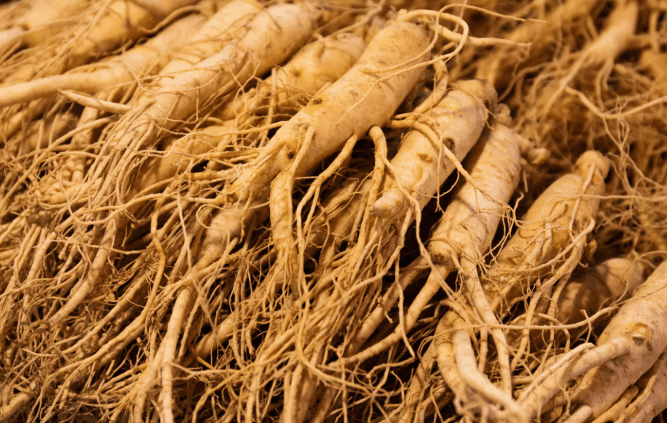
Ginseng is one of the most popular and widely studied herbal remedies in the world. It is revered for its potential to boost energy, reduce stress, and support overall health. With a history spanning thousands of years, ginseng has been a cornerstone of traditional medicine systems, particularly in East Asia. The term “ginseng” typically refers to the roots of plants in the genus Panax, which includes several species, each with unique characteristics and therapeutic uses.
Ginseng belongs to the genus Panax, derived from the Greek word “panacea,” meaning “all-healing.” The most well-known species include:
Other plants often called “ginseng,” such as Siberian ginseng (Eleutherococcus senticosus), are not true ginsengs and lack the characteristic compounds found in Panax species.
The part of the plant used medicinally is the root, which is typically harvested after 4–6 years of growth. Ginseng roots are often categorized as either white (air-dried) or red (steamed and dried), with red ginseng believed to have stronger stimulating properties.
Ginseng’s pharmacological effects are primarily attributed to a class of compounds called ginsenosides or panaxosides. These saponins have diverse biological activities, including anti-inflammatory, antioxidant, and neuroprotective effects (1).
The concentration and composition of ginsenosides vary between species, preparation methods, and growing conditions, contributing to the differing effects of various types of ginseng.
Ginseng has been used for over 2,000 years in Traditional Chinese Medicine (TCM) to “tonify Qi” (vital energy), strengthen the immune system, and restore balance in the body. In modern times, it is widely used as a dietary supplement for a range of health benefits.
One of the most common uses of ginseng is to combat fatigue and enhance physical and mental performance. A systematic review of clinical trials found that ginseng supplementation can modestly improve energy levels and reduce fatigue, particularly in people with chronic conditions like cancer or multiple sclerosis (2).
Several studies suggest that ginseng may enhance cognitive performance, including memory, attention, and reaction time. A randomized controlled trial found that a single dose of Panax ginseng extract improved working memory and attention in healthy volunteers (3). The neuroprotective effects of ginsenosides are thought to underlie these benefits.
Ginseng has immunomodulatory properties that may help bolster the body’s defenses. Clinical studies have shown that ginseng extract can enhance the efficacy of vaccines and reduce the incidence of colds and flu (4). This immune-boosting potential is particularly valuable in aging populations or individuals with weakened immune systems.
Ginsenosides exhibit strong antioxidant activity, helping to neutralize free radicals and reduce oxidative stress, which is linked to chronic diseases such as cardiovascular disease and cancer (5). Ginseng’s anti-inflammatory effects have also been studied in conditions like arthritis and metabolic syndrome.
Several studies have demonstrated that ginseng may help regulate blood sugar levels and improve insulin sensitivity. A meta-analysis of randomized controlled trials found that American ginseng significantly reduced postprandial blood glucose levels in people with type 2 diabetes (6).
Ginseng is traditionally used as an aphrodisiac and to improve sexual function. Clinical evidence supports the use of Korean red ginseng in improving erectile function in men with erectile dysfunction, possibly due to its vasodilatory and antioxidant effects (7).
When used appropriately, ginseng is generally well tolerated. However, potential side effects can include:
Ginseng may interact with medications such as anticoagulants (e.g., warfarin), hypoglycemic agents, and stimulants. It is recommended that individuals with underlying health conditions or those taking prescription medications consult a healthcare provider before beginning supplementation.
Prolonged or excessive use of high doses of ginseng may lead to a condition known as “ginseng abuse syndrome,” characterized by symptoms like hypertension, irritability, and insomnia.
Ginseng is available in various forms, including:
The efficacy of ginseng products can vary significantly depending on the quality of the raw material, processing methods, and standardization of active compounds. Look for products that specify ginsenoside content and are standardized for potency.
Ginseng is a remarkable herb with a long history and growing body of scientific support. From boosting energy and mental clarity to supporting immune health and blood sugar control, its broad therapeutic potential continues attracting attention from traditional healers and modern researchers. While ginseng is not a cure-all, it can be a valuable part of a holistic approach to health and wellness when used mindfully and in the appropriate context.


No account yet?
Create an Account


