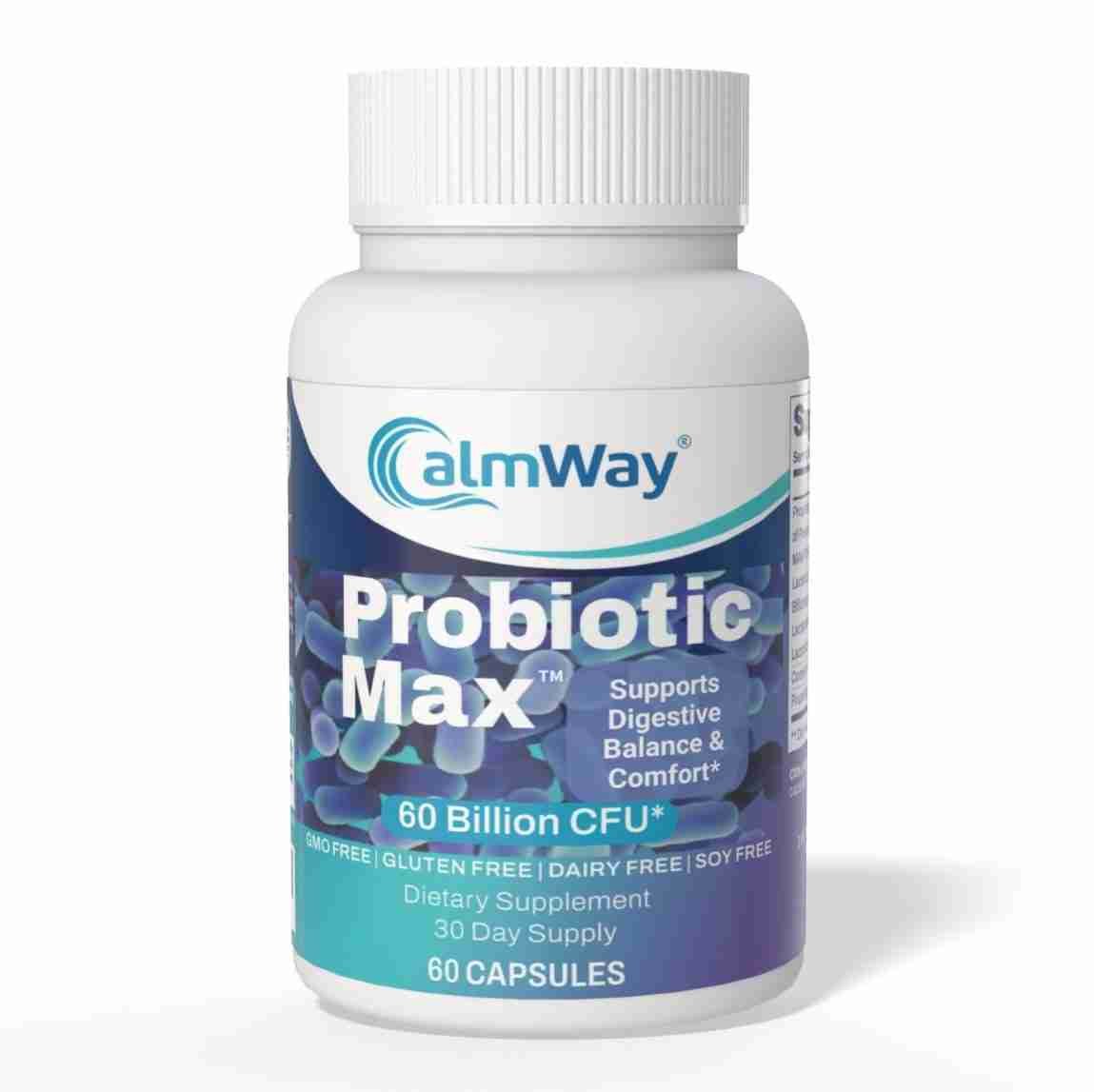


$19.99


$19.99
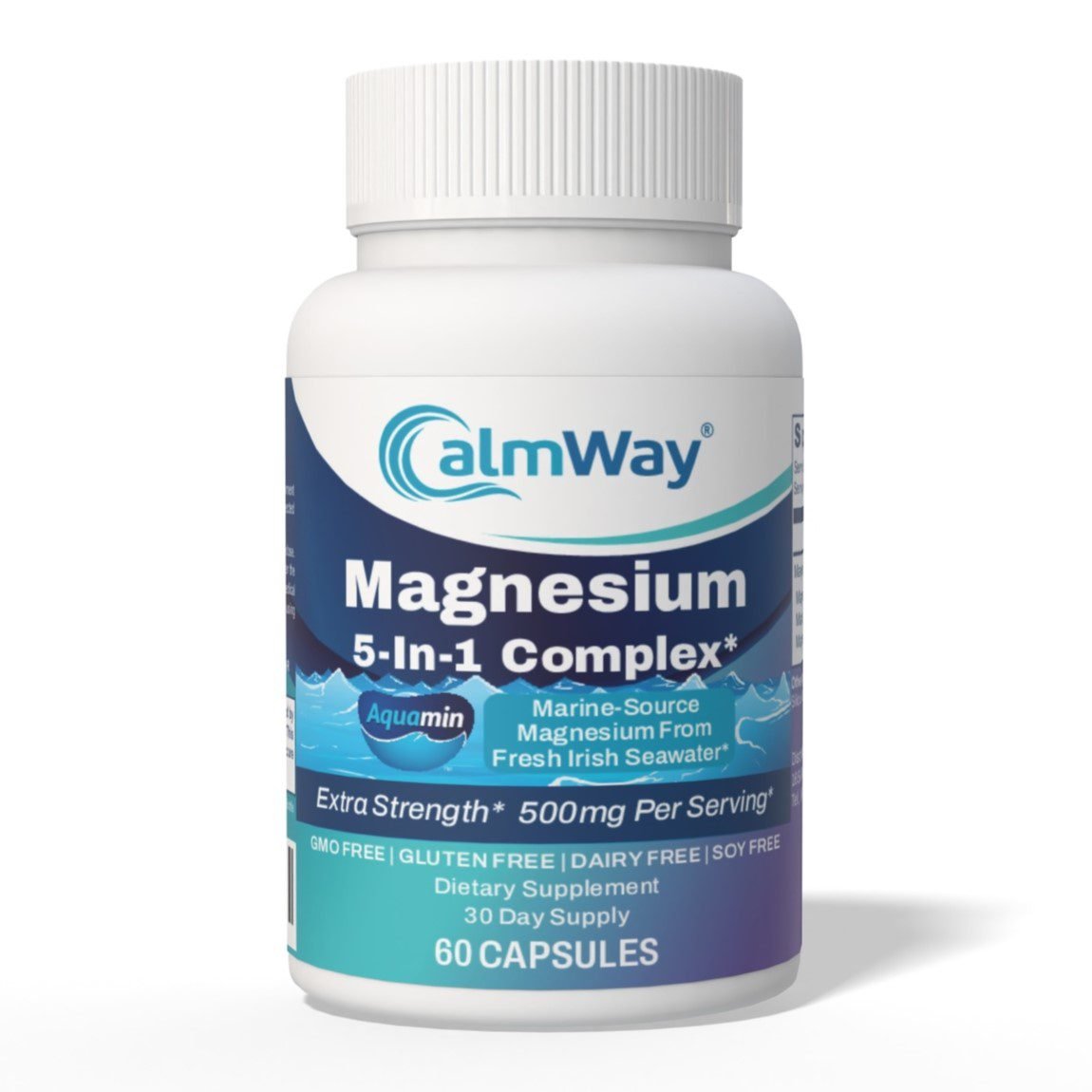
$23.99
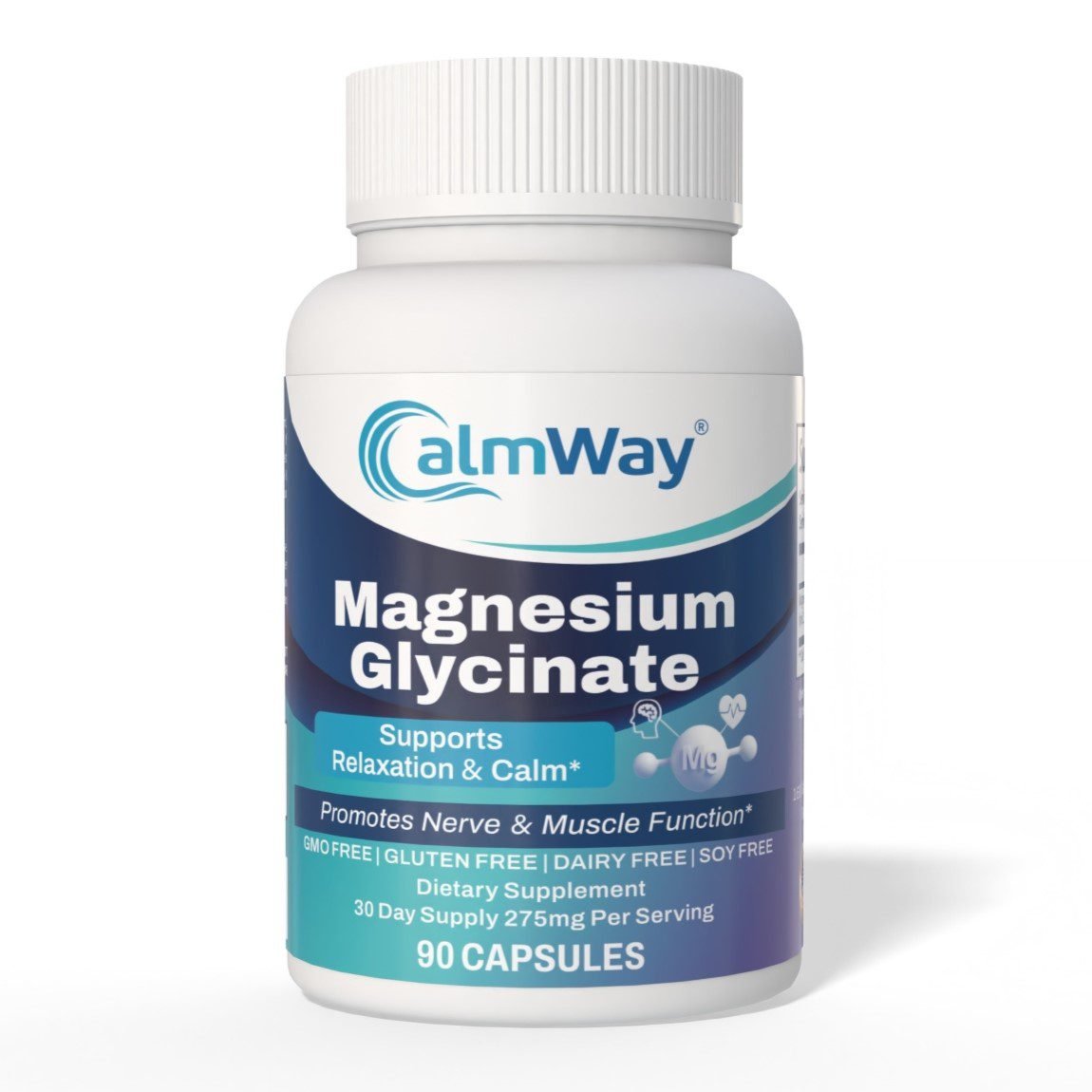
$23.99
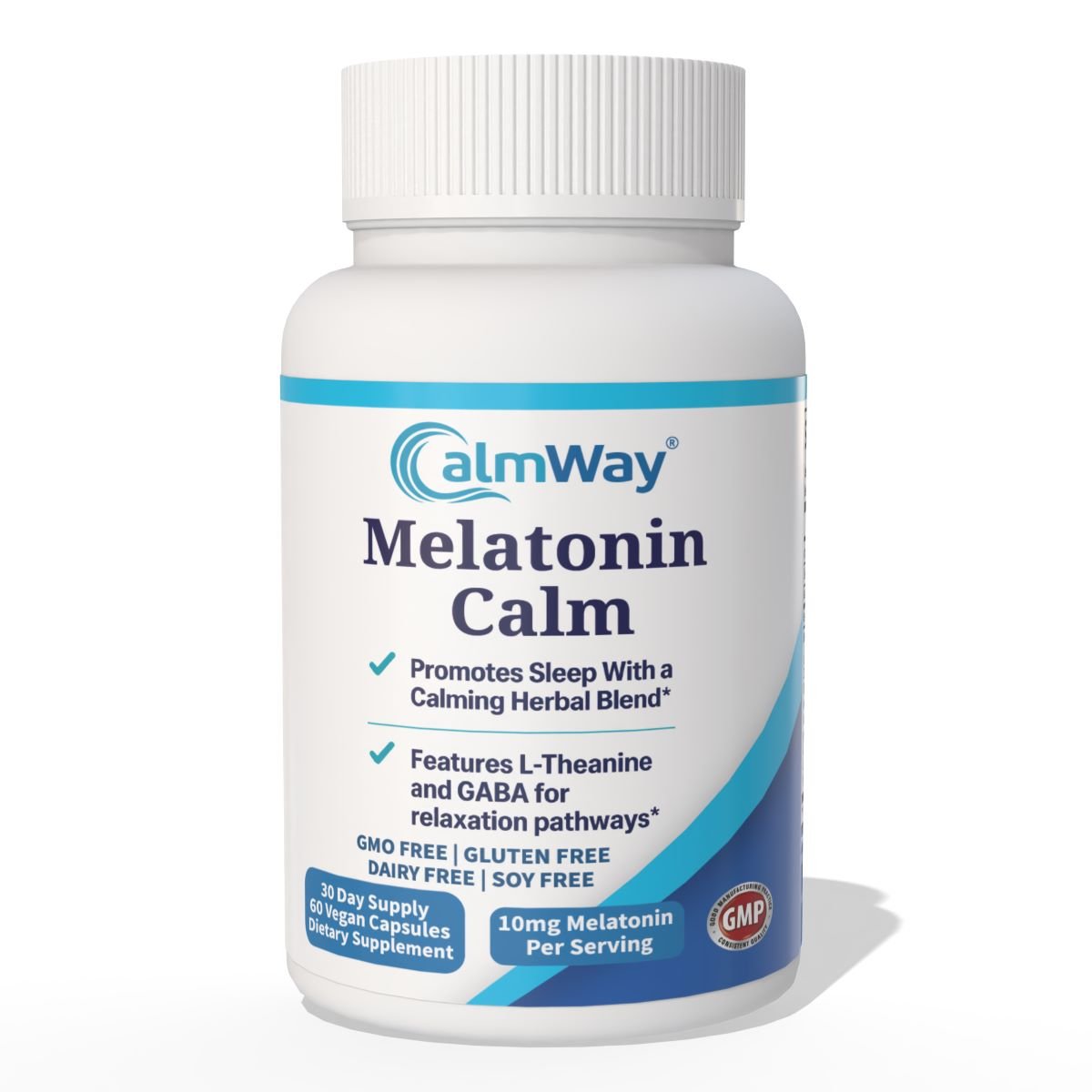
$19.99
$19.99
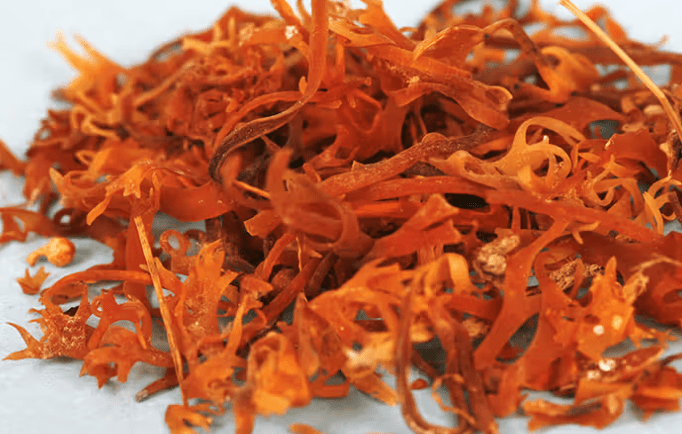
Irish Sea Moss, also known as Chondrus crispus, is a species of red algae found along the Atlantic coasts of Europe and North America. For centuries, it has been harvested for its nutritional and medicinal properties and has gained recent popularity as a superfood due to its dense nutrient profile. Often referred to simply as “sea moss,” this marine plant is celebrated for its benefits to skin, digestion, immunity, and more.
Irish Sea Moss is native to the rocky shores of Ireland, where it has long been consumed as food and a natural remedy. During the Irish Potato Famine in the 19th century, sea moss became a crucial nutritional source, leading to its nickname, “the poverty food.”
Botanically classified as a red seaweed, Chondrus crispus is characterized by its branching, cartilaginous structure, and varies in color from deep red to purple and greenish hues. It thrives in cold waters and is often harvested, sun-dried, and sold as dried flakes, powders, gels, or capsules.
One of the key reasons sea moss is considered a superfood is its rich mineral content. It contains 92 of the 102 minerals the human body needs, including:
Sea moss is also a source of vitamins A, E, K, B-complex, and C. Additionally, it is rich in polysaccharides, especially carrageenan, which gives sea moss its gel-like texture when soaked or boiled.
Historically, Irish Sea Moss was used in soups and broths and as a thickener in desserts like the Irish dish blancmange. It was also used topically to soothe skin conditions like burns and rashes.
Today, it’s consumed in various forms:
Sea moss is one of nature’s best plant-based sources of iodine, a critical nutrient for thyroid hormone production. Iodine deficiency can lead to conditions like hypothyroidism and goiter. However, excess iodine can also be harmful, so moderation is essential.
A 2016 review in Nutrients highlights the importance of adequate iodine for thyroid health and notes that natural marine sources can help maintain proper function (Zimmermann & Boelaert, 2015).
Sea moss’s antioxidant and antiviral properties contribute to its traditional use in supporting the immune system. A study published in Marine Drugs (2011) showed that red seaweeds contain compounds that inhibit viruses and bacteria. However, more human trials are needed to confirm these effects (De Jesus Raposo et al., 2015).
Thanks to its high mucilaginous content, sea moss acts as a prebiotic, supporting the growth of healthy gut bacteria. The gelatinous texture can also soothe the digestive tract and promote regular bowel movements.
While controversial in processed foods, Carrageenan may benefit digestion when consumed in whole food form. A study in Food Hydrocolloids (2010) noted that whole-seaweed carrageenan differs structurally and functionally from isolated forms often linked to inflammation (Necas & Bartosikova, 2013).
Sea moss is rich in collagen-building amino acids and minerals like sulfur, which help maintain healthy skin and joints. Topically, it may reduce redness and improve hydration.
Its anti-inflammatory properties make it a candidate for alleviating conditions such as eczema, psoriasis, and even arthritis, though most claims are based on anecdotal evidence or animal models.
Thanks to its iron content, sea moss can help combat fatigue and improve energy levels. It also contains taurine and other amino acids beneficial for muscle recovery, making it popular among athletes and fitness enthusiasts.
While Irish Sea Moss offers many potential health benefits, there are precautions to consider:
Irish Sea Moss has surged in popularity, partly thanks to celebrity endorsements and wellness influencers touting its benefits. It’s become a staple in health food stores, often marketed alongside other “green superfoods” like spirulina and chlorella.
It’s also incorporated into vegan diets as a natural thickener or nutrient booster. The gel form, in particular, has become popular in plant-based recipes for its texture and nutritional content.
Irish Sea Moss (Chondrus crispus) is a nutrient-dense sea vegetable with a rich history and growing reputation as a superfood. With benefits ranging from thyroid support to digestive health and immune defense, it offers a holistic approach to wellness. However, like all supplements, it should be consumed with attention to quality, dosage, and individual health needs.
Whether added to a smoothie, taken in capsule form, or used in skincare, sea moss represents a fascinating intersection of tradition, nutrition, and modern health science.


No account yet?
Create an Account