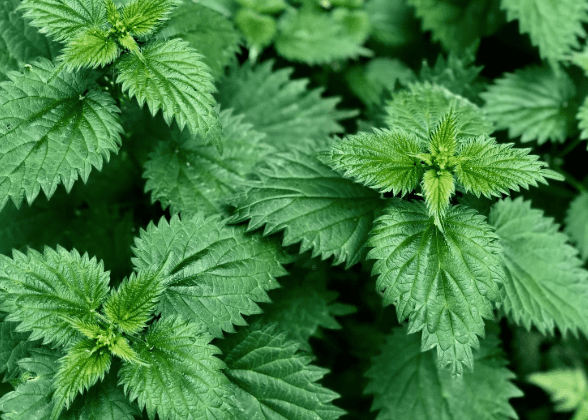
Nettle leaf, derived from the stinging nettle plant (Urtica dioica), is a nutrient-dense herb used for centuries in traditional medicine. Known for its fine hairs that can cause a stinging sensation when touched, nettle has long been revered and avoided. However, once processed—typically by drying or cooking—the leaves lose their sting and become a powerful source of vitamins, minerals, and therapeutic compounds.
Botanical Overview
Stinging nettle is a perennial flowering plant native to Europe, Asia, North America, and parts of Africa. It typically grows in moist, nutrient-rich soil and can reach 3 to 7 feet. The plant’s leaves are covered with fine, hollow hairs. The name comes from the fact that the nettles act like hypodermic needles, injecting histamine and other chemicals when touched, leading to a temporary stinging or burning sensation.
Despite its unpleasant sting, nettle has been harvested for centuries for food and medicinal purposes. It is available in various forms, including dried leaves, teas, capsules, tinctures, and extracts.
Nutritional Composition
Nettle leaf is exceptionally rich in nutrients, containing:
Vitamins: A, C, K, and several B vitamins
Minerals: Iron, calcium, magnesium, potassium, and silica
Amino acids: Essential for protein synthesis
Polyphenols: Known for their antioxidant properties
Chlorophyll: Associated with detoxifying benefits
Its high iron and vitamin C content make it particularly useful for those with anemia or low energy levels, as vitamin C enhances the body’s absorption of iron (Houghton, 1984).
Traditional and Modern Uses
Anti-Inflammatory Effects
Historically, nettle leaf has been used to alleviate joint pain and muscle aches. Modern research supports its anti-inflammatory properties. A study published in the Journal of Rheumatology found that patients with osteoarthritis who used a nettle leaf extract reported reduced pain and improved joint function (Randall et al., 2000).
Allergies and Hay Fever
Nettle leaf has antihistamine-like effects, making it a natural remedy for seasonal allergies. According to a study published in Planta Medica, nettle extract can inhibit key enzymes involved in allergic reactions, reducing symptoms such as sneezing and itching (Roschek et al., 2009).
Urinary Health
The plant is often used with other herbs to treat urinary tract infections and benign prostatic hyperplasia (BPH). Nettle may reduce urinary frequency and increase urinary flow, making it a valuable supplement for men dealing with prostate issues (Safarinejad, 2005).
Skin and Hair Benefits
Topically, nettle leaf is used in shampoos and creams to promote hair growth and alleviate skin conditions like eczema and acne. Its anti-inflammatory and antimicrobial properties help soothe irritated skin and reduce breakouts.
Blood Sugar and Cardiovascular Support
Emerging research suggests that nettle may help regulate blood sugar levels and improve cardiovascular health. In a clinical trial, patients with type 2 diabetes who consumed nettle extract saw improved fasting blood glucose and hemoglobin A1c levels (Kianbakht et al., 2011).
Preparation and Consumption
Nettle leaf can be consumed in various forms:
Tea: A popular method; steep 1–2 teaspoons of dried nettle leaves in hot water for 5–10 minutes.
Capsules/Tablets: Available as dietary supplements.
Tinctures: Liquid extracts are often used for targeted health support.
Culinary Uses: Fresh nettle can be cooked and used like spinach in soups, stews, and pestos after the stinging compounds are neutralized by heat.
When foraging for wild nettle, it is essential to wear gloves and cook the leaves thoroughly to deactivate the stinging hairs.
Safety and Considerations
While generally safe, nettle leaf may interact with certain medications, particularly blood thinners, blood pressure drugs, and diuretics. It’s advisable to consult a healthcare provider before starting any new herbal regimen, especially for individuals with existing health conditions or those who are pregnant or breastfeeding.
Possible side effects may include mild stomach upset, fluid retention, or allergic skin reactions.
Conclusion
Nettle leaf is a potent herbal ally with a rich history in traditional medicine and growing support in scientific research. Whether used to support joint health, ease allergies, promote urinary function, or enhance overall nutrition, nettle offers many benefits that are increasingly appreciated in modern wellness practices.
As interest in plant-based healing grows, nettle stands out as a time-tested and evidence-backed herb worth considering for holistic health.
References
Houghton, P. J. (1984). The biological activity of nettle (Urtica dioica). Planta Medica, 50(4), 285–288.
Randall, C., Meethan, K., Randall, H., Dobbs, F. (2000). Randomized controlled trial of nettle sting for treatment of base-of-thumb pain. Journal of Rheumatology, 27(2), 1127–1131.
Roschek, B., Fink, R. C., McMichael, M., Li, D., Alberte, R. S. (2009). Nettle extract (Urtica dioica) affects key receptors and enzymes associated with allergic rhinitis. Planta Medica, 75(07), 689–697.
Safarinejad, M. R. (2005). Urtica dioica for treatment of benign prostatic hyperplasia: A prospective, randomized, double-blind, placebo-controlled, crossover study. Journal of Herbal Pharmacotherapy, 5(4), 1–11.
Kianbakht, S., Hashem-Dabaghian, F., Ghafari, S. (2011). Anti-hyperglycemic effect of Urtica dioica leaf extract in patients with type 2 diabetes: A randomized double-blind placebo-controlled clinical trial. Pak J Biol Sci., 14(15), 775–779.