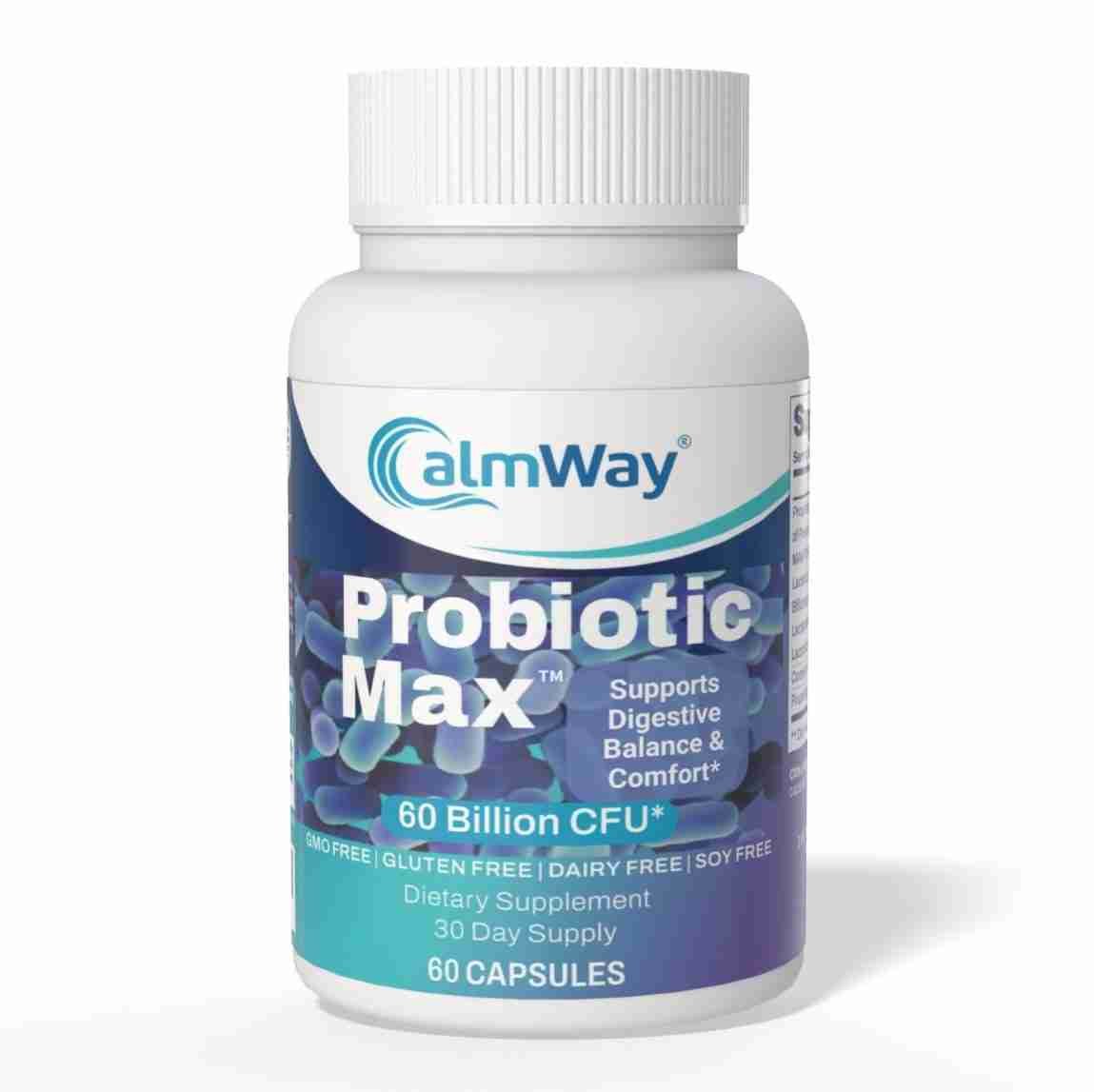


$19.99


$19.99
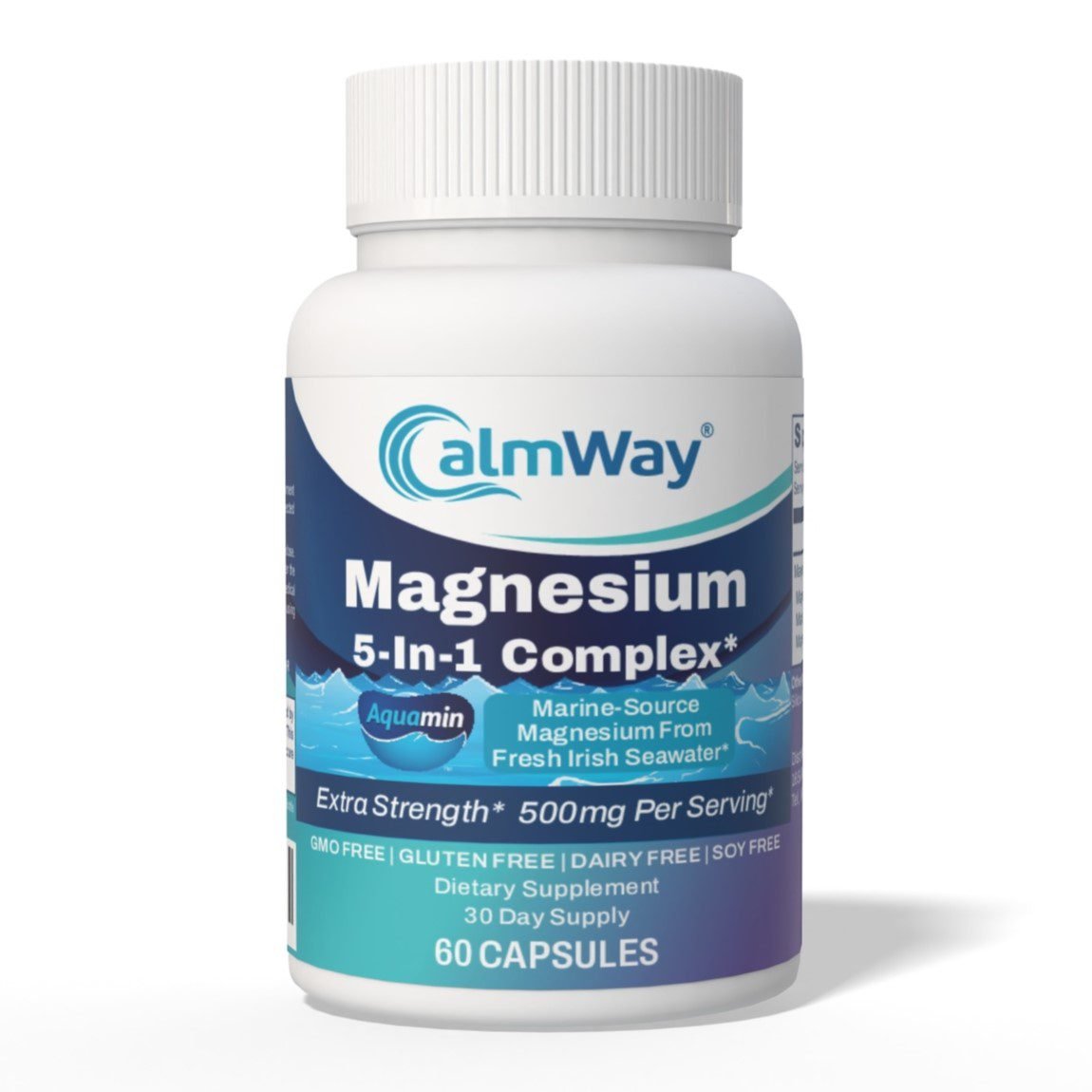
$23.99
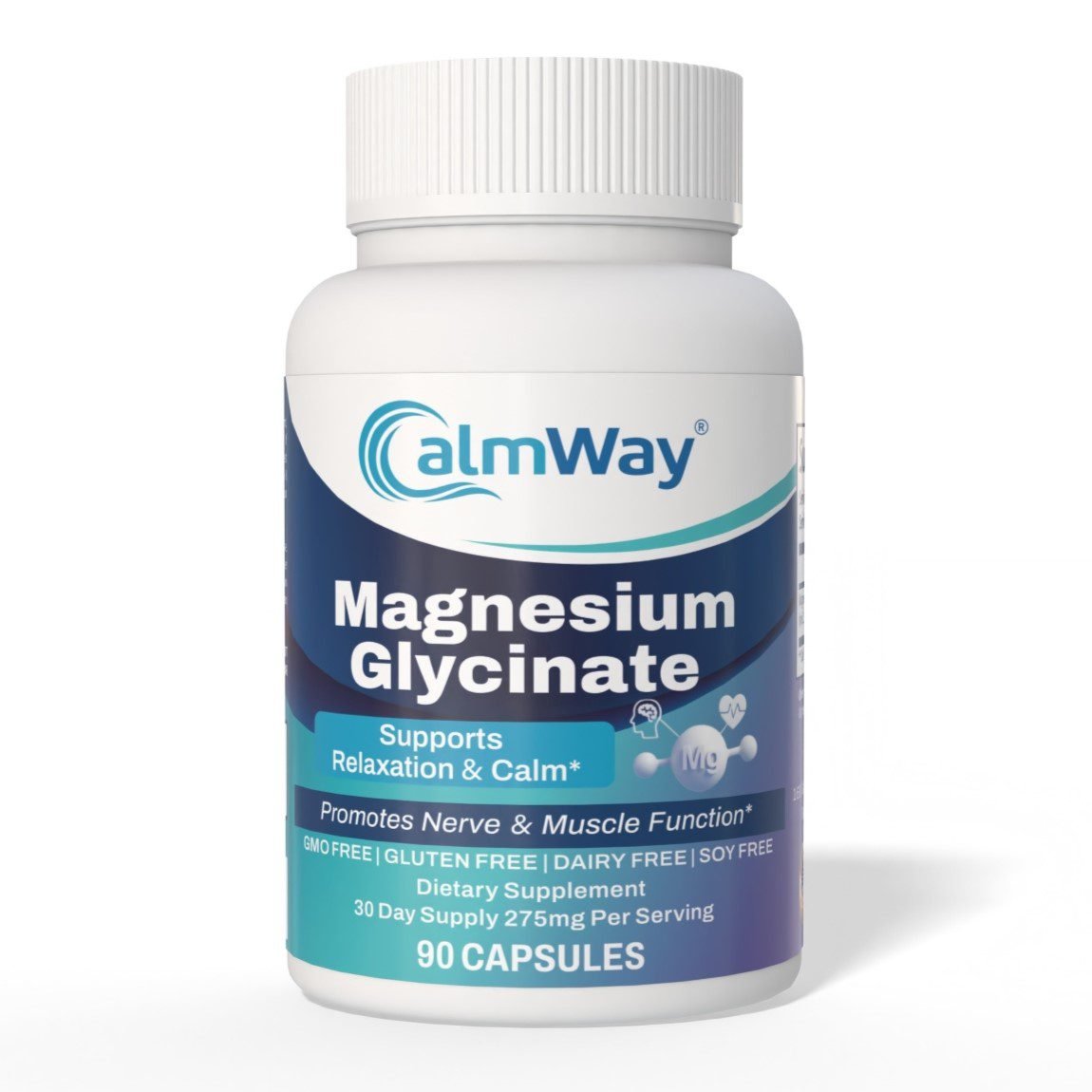
$23.99
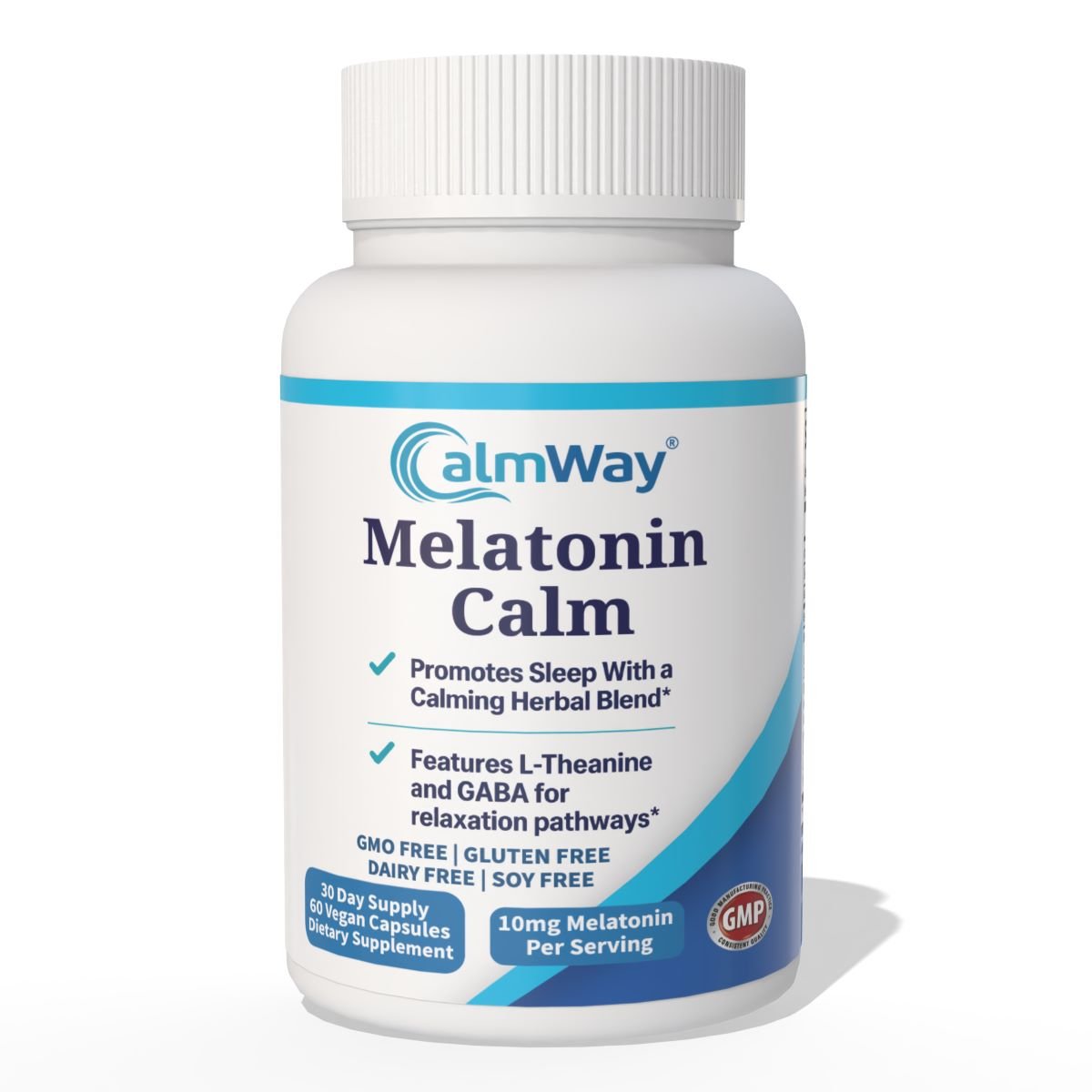
$19.99
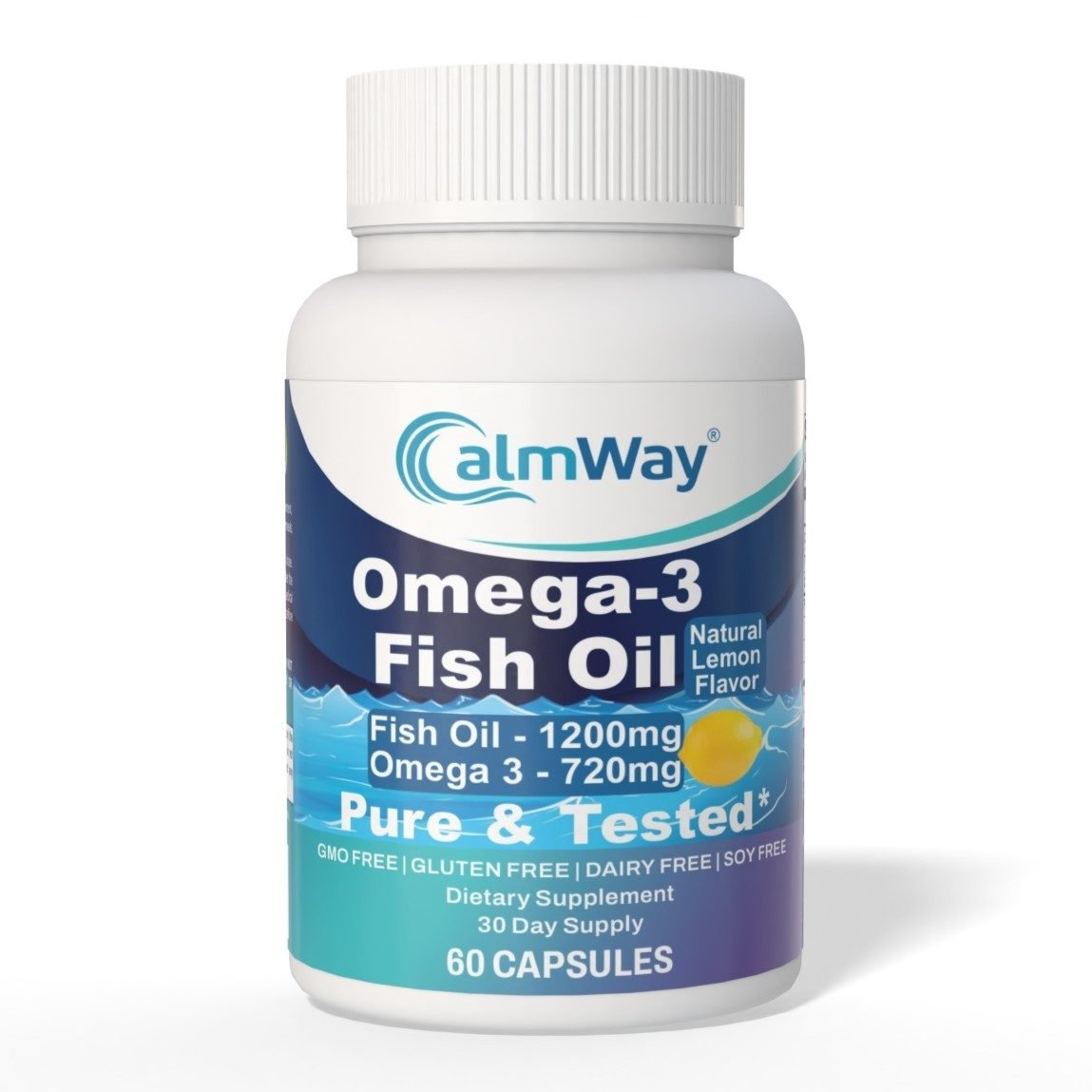
$19.99

In today’s fast-paced world, women juggle numerous responsibilities, from careers and caregiving to health management. Nutrition plays a critical role in maintaining overall well-being. Still, due to factors like dietary choices, stress, hormonal fluctuations, and age, many women may not get all the nutrients they need from food alone. This is where supplements come in—to fill nutritional gaps and support optimal health at every life stage.
This article explores the most essential supplements women should consider, how they support health, and what scientific research says about their effectiveness.
Multivitamins are the most commonly used supplements, often tailored by gender and age. They contain a blend of essential vitamins and minerals such as vitamins A, C, D, E, K, and B-complex, along with minerals like magnesium, calcium, and iron.
Women often have unique nutritional needs, especially during menstruation, pregnancy, breastfeeding, and menopause. Multivitamins can help fill the nutritional gaps, particularly for those with limited diets or higher nutrient demands.
A 2013 review in the Journal of the American College of Nutrition found that multivitamin use in women was associated with better micronutrient status and lower rates of nutrient deficiencies.
Tip: Choose a multivitamin designed for your age group and life stage.
Vitamin D is essential for calcium absorption and bone health. It also regulates immune function, mood, and inflammation.
Women are at higher risk of osteoporosis and autoimmune disorders, both linked to low vitamin D levels. Postmenopausal women, in particular, benefit from vitamin D to reduce bone loss.
A 2011 study in The American Journal of Clinical Nutrition highlighted that vitamin D deficiency is widespread and associated with bone fractures, depression, and immune dysfunction. Vitamin D3 (cholecalciferol) supplementation effectively maintained bone density and improved immune markers.
Dosage: 600–800 IU daily is typical, but higher doses (1000–2000 IU) may be recommended based on blood levels and medical advice.
Calcium is a mineral that makes up a significant portion of bones and teeth. It’s essential for women due to their increased risk of osteoporosis.
Estrogen helps preserve bone density, and calcium becomes even more vital as estrogen declines with age. Women over 50 have higher calcium requirements than men.
According to the National Institutes of Health, adequate calcium intake—through diet and/or supplements—can help slow the rate of bone loss in postmenopausal women. However, excessive calcium supplementation may increase the risk of kidney stones and cardiovascular disease, so balance is key.
Dosage: 1000 mg daily for most women; 1200 mg for those over 50.
Iron is a mineral necessary for producing hemoglobin, the protein in red blood cells that carries oxygen throughout the body.
Women of childbearing age are at a higher risk of iron deficiency due to menstrual blood loss. Symptoms of low iron include fatigue, weakness, and impaired cognitive function.
The World Health Organization estimates that iron deficiency is the most widespread nutritional disorder worldwide. A 2016 study in PLOS ONE found that iron supplementation significantly improved fatigue in non-anemic women with low iron stores.
Tip: Only supplement with iron if blood tests indicate a deficiency. Excess iron can be harmful.
Magnesium is involved in over 300 biochemical reactions in the body, including muscle contraction, energy production, and nervous system regulation.
Magnesium may help alleviate PMS symptoms, improve sleep, reduce stress, and support heart health. It also works with calcium to maintain strong bones.
A 2012 Journal of Women’s Health study found that magnesium supplementation reduced PMS symptoms and improved mood in women with low magnesium levels.
Sources: Supplements, leafy greens, nuts, seeds, and whole grains.
Omega-3 fatty acids, particularly EPA and DHA, are essential fatty acids in fish oil. They are critical for heart health, cognitive function, and hormonal balance.
Omega-3s can reduce inflammation, ease symptoms of depression and anxiety, support fetal development during pregnancy, and alleviate menstrual pain.
A 2018 meta-analysis in JAMA Network Open showed that omega-3 supplementation reduced cardiovascular risk. Another study in Reproductive Health (2017) found that omega-3s significantly reduced menstrual pain in young women.
Dosage: 250–500 mg of combined EPA/DHA per day is recommended for most adults.
Probiotics are beneficial bacteria that support digestive and immune function. They help balance gut microbiota, influencing nutrient absorption, inflammation, and mental health.
Women are more prone to digestive issues (like IBS) and urinary tract infections, both of which probiotics can help manage. Certain probiotic strains also support vaginal health by maintaining a healthy pH.
A 2015 study in Beneficial Microbes found that women taking probiotics experienced fewer digestive complaints and improved vaginal microbiota. Lactobacillus strains are beneficial for women.
Tip: Look for probiotic supplements with at least 10 billion CFUs and multiple strains.
Folate (or folic acid in supplement form) is vital for DNA synthesis and cell growth. It is also vital for women of reproductive age.
Folate prevents neural tube defects in developing fetuses. It also supports cardiovascular health and reduces the risk of anemia.
The CDC recommends that all women of childbearing age consume at least 400 mcg of folic acid daily. A deficiency is associated with an increased risk of birth defects, fatigue, and poor concentration.
Sources: Leafy greens, beans, fortified cereals, and supplements.
Collagen is a protein that structures the skin, bones, and connective tissues. Natural production declines with age, particularly after menopause.
Collagen supplements may improve skin elasticity, reduce wrinkles, strengthen nails, and alleviate joint pain.
A 2019 Journal of Drugs in Dermatology study found that oral collagen supplementation improved skin hydration and elasticity in women aged 35 and older.
Types: Type I and III are best for the skin; Type II benefits joints.
Biotin (vitamin B7) and other B-complex vitamins (like B6 and B12) are essential for converting food into energy, supporting brain health, and promoting healthy hair, skin, and nails.
Women under stress, on restrictive diets, or taking certain medications (like birth control or metformin) may have lower levels of B vitamins.
A 2012 Neuropsychiatric Disease and Treatment review concluded that B-vitamin supplementation supports mood and cognitive function, particularly in older adults.
Tip: Consider a B-complex supplement to ensure balanced intake across all B vitamins.
Some supplements may interact with medications or other supplements. For example, calcium can interfere with iron absorption, and high doses of vitamin E may increase bleeding risk if you’re on blood thinners.
More isn’t always better. Excessive intake of specific nutrients (e.g., vitamin A, iron) can be toxic or harmful over time.
Choose reputable brands that are third-party tested for quality and purity. Look for certifications from NSF International, USP, or ConsumerLab.
While a balanced diet is the foundation of good health, supplements can support women’s wellness. From bone and heart health to energy, beauty, and hormonal balance, specific supplements can help meet unique female nutritional needs. However, supplementation should be approached thoughtfully and ideally in consultation with a healthcare provider.
By understanding your body’s needs and choosing the right supplements, you can optimize your health and vitality well into the future.


No account yet?
Create an Account