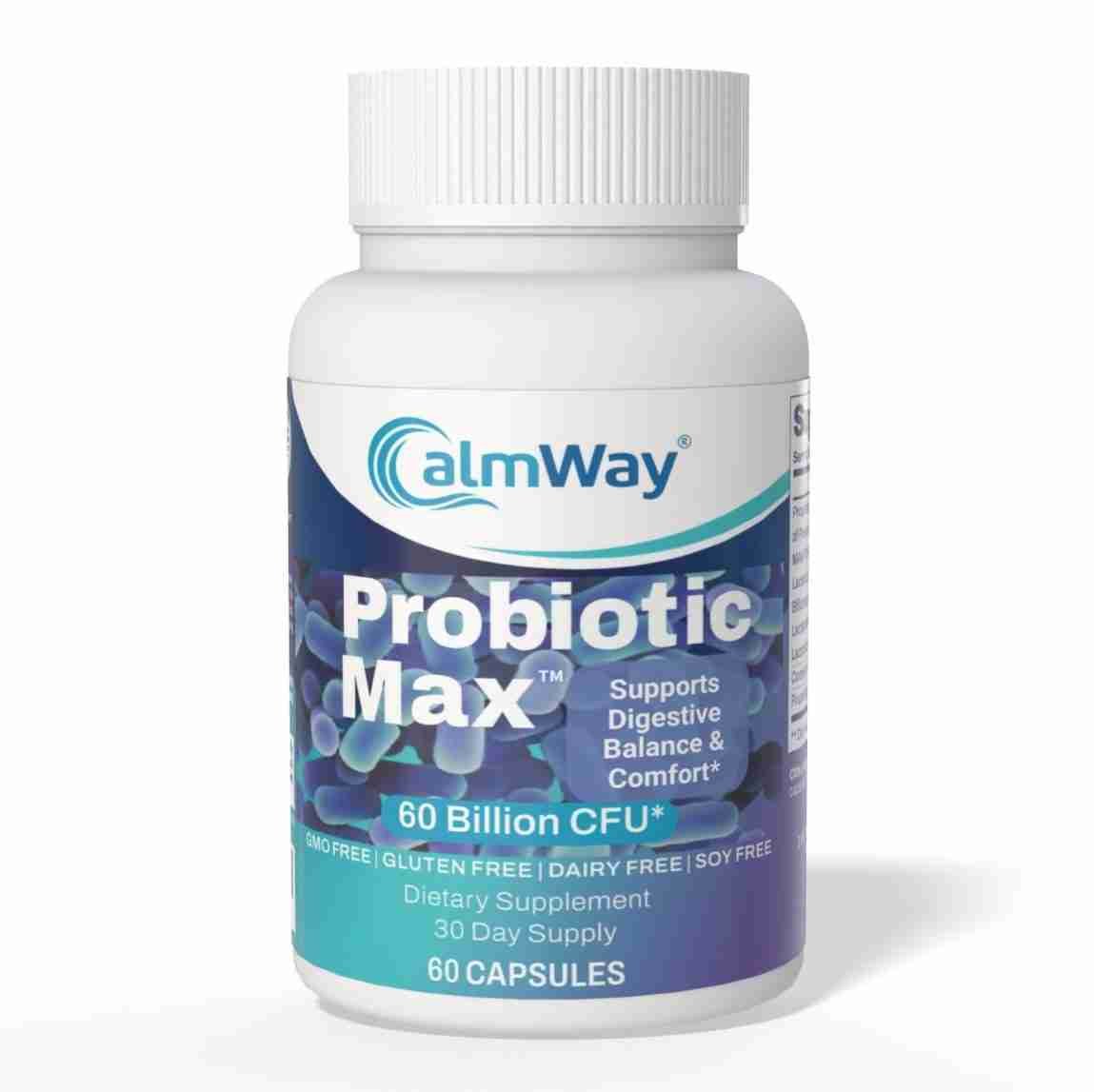


$19.99


$19.99

$23.99

$23.99
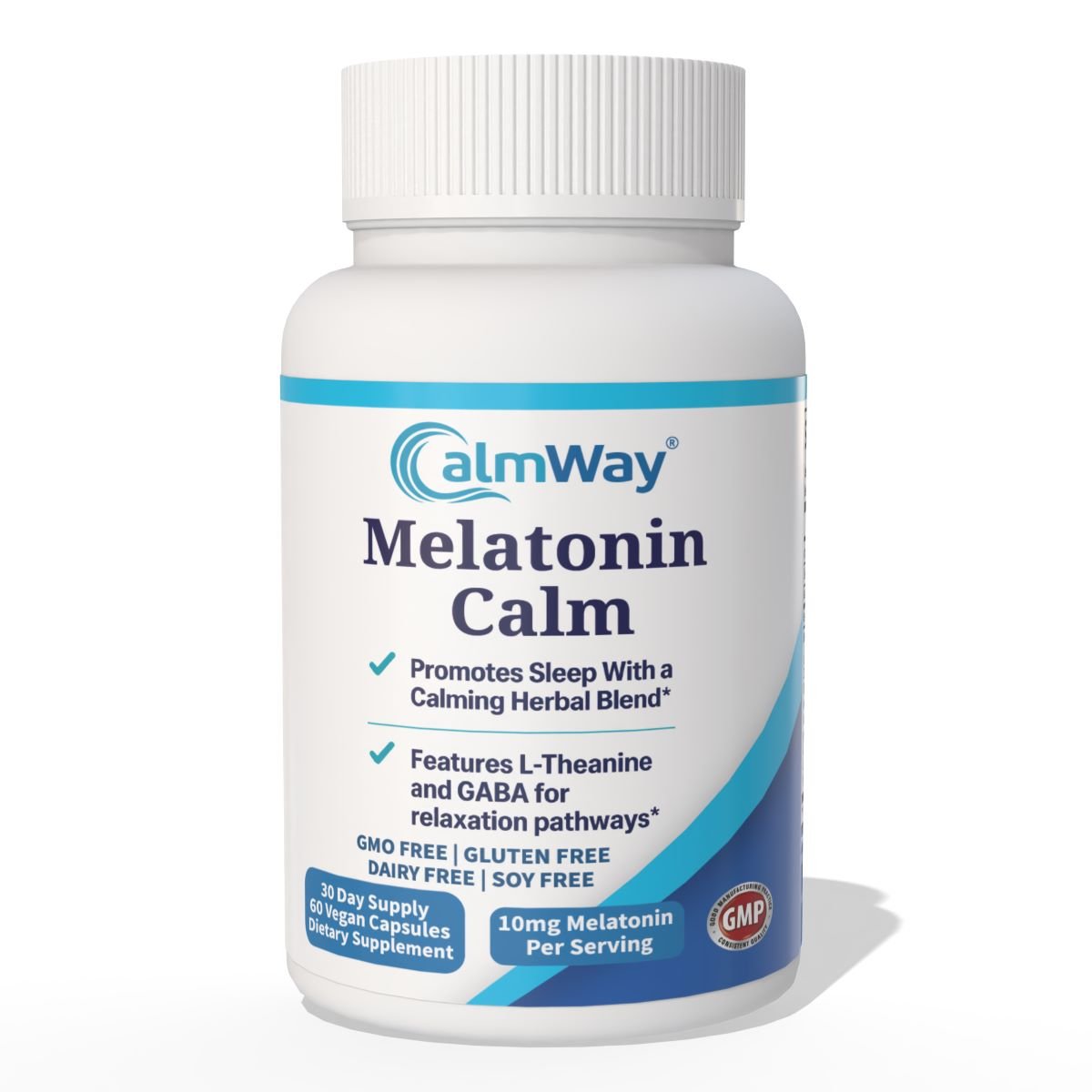
$19.99
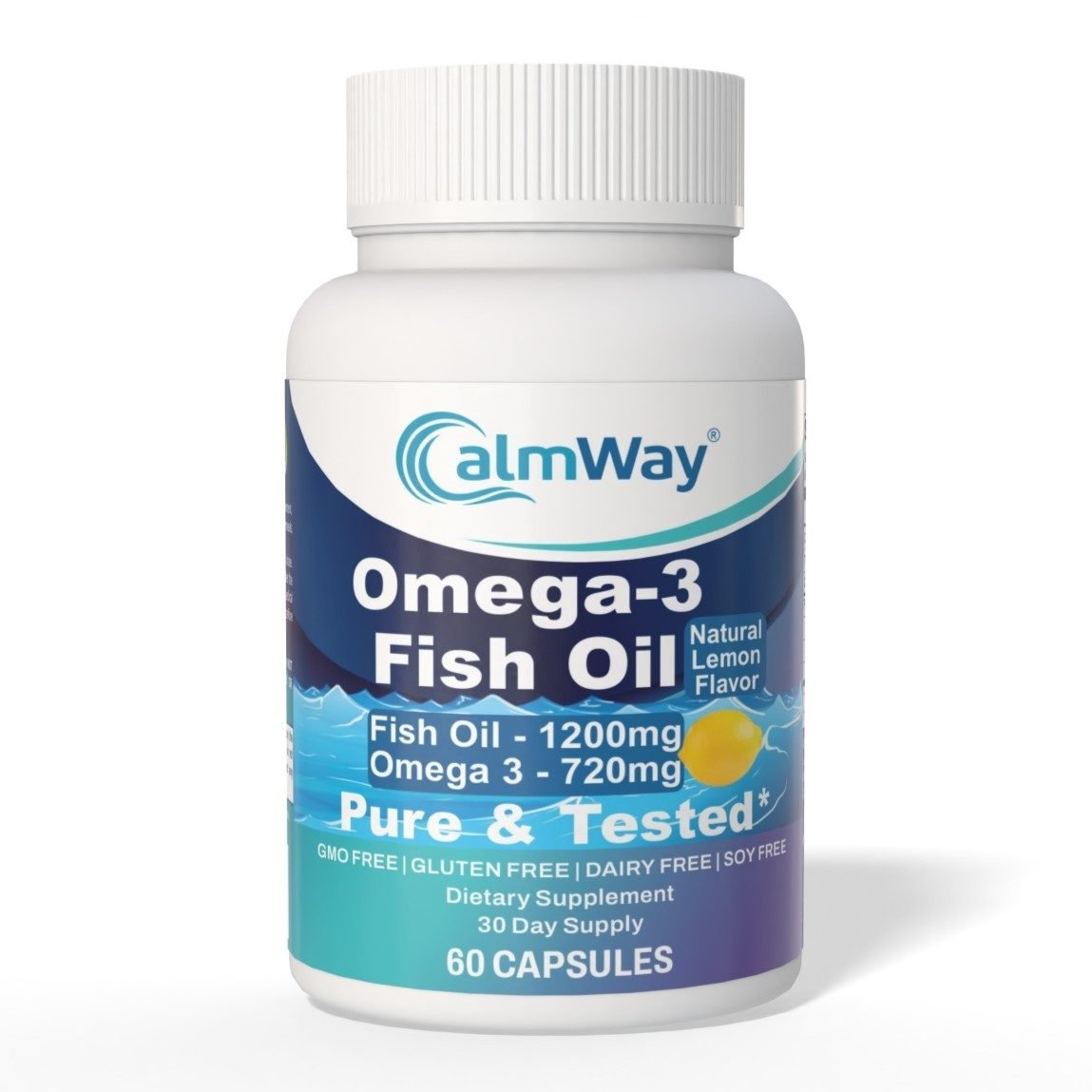
$19.99
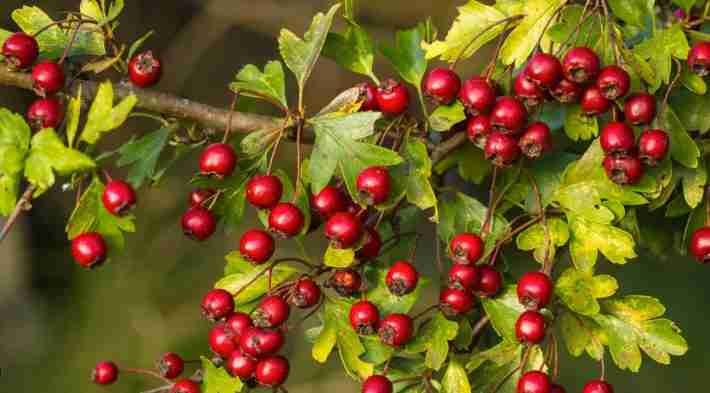
Chinese hawthorn berries, known scientifically as Crataegus pinnatifida, are small, red fruits from a species of hawthorn tree native to China. Also called shan zha (山楂) in traditional Chinese medicine (TCM), these berries have been used for centuries as a food and a medicinal herb. With a tart flavor and deep red color, Chinese hawthorn berries are often found in traditional candies, jams, teas, and supplements.
Due to their long history of use and rich composition of bioactive compounds, Chinese hawthorn berries are increasingly recognized for their potential benefits in cardiovascular health, digestion, and metabolic support.
Crataegus pinnatifida is a deciduous tree in the Rosaceae (rose) family. It typically grows in northern and central China and has been cultivated for ornamental and therapeutic purposes. While hawthorn species are found across Europe and North America, the Chinese variant is distinguished by its broad, deeply lobed leaves and larger fruit.
The fruit is the most commonly used part of the plant. It resembles a small crabapple and is harvested in the late summer and early autumn. In traditional Chinese herbal medicine, the berries are dried and used alone or in combination with other herbs.
Chinese hawthorn berries are a rich source of bioactive compounds, including:
These compounds contribute to the fruit’s antioxidant, anti-inflammatory, and cardioprotective effects (1).
In traditional Chinese medicine (TCM), shan zha is classified as an herb that promotes digestion and moves blood. It is often prescribed for conditions such as:
Shan zha is frequently used in herbal formulas that treat dyspepsia (poor digestion) or aid postpartum recovery by promoting uterine contractions (2).
One of the most studied benefits of hawthorn berries—including Chinese hawthorn—is their heart-protective effects. The berries contain flavonoids and oligomeric procyanidins that help:
A review published in The Cochrane Library analyzed 14 clinical trials and found that hawthorn extract improved exercise tolerance and symptoms in patients with chronic heart failure (3). Although most studies are based on European species, Chinese hawthorn shows similar phytochemistry and actions.
In both traditional use and modern pharmacological research, Chinese hawthorn berries have been shown to enhance digestion, particularly of fats and proteins. This is attributed to:
Animal studies have demonstrated that hawthorn extracts help regulate intestinal function and may relieve symptoms like bloating, nausea, and slow digestion (4).
Several animal and human studies suggest that hawthorn berry extracts can lower serum cholesterol and triglyceride levels, particularly over long periods. The triterpenoids and flavonoids appear to reduce lipid accumulation in the liver and improve overall lipid profiles (5).
Hawthorn berries are rich in antioxidants that combat oxidative stress, a major contributor to chronic diseases such as cardiovascular disease, cancer, and diabetes. These antioxidants also exhibit anti-inflammatory effects, reducing the production of pro-inflammatory cytokines (6).
In China, hawthorn berries are consumed in both medicinal and culinary forms:
These uses reflect the versatility of the fruit and its integration into daily wellness routines.
Chinese hawthorn is generally considered safe when consumed in food amounts or used short-term as a supplement. However, certain precautions should be noted:
Overall, hawthorn is well-tolerated, but dosage and interactions should be monitored, especially for individuals with cardiovascular conditions.
Chinese hawthorn berries (Crataegus pinnatifida) are more than just a tangy fruit—they are a powerhouse of traditional and modern herbal medicine. Revered for their role in improving digestion and heart health, these berries remain a staple in TCM and natural wellness practices. Backed by a growing body of scientific research, Chinese hawthorn offers promising support for those seeking natural solutions for digestive comfort, cholesterol control, and cardiovascular function.
As always, consult with a healthcare provider before starting any new supplement, particularly if you are taking medications or managing a chronic condition.


No account yet?
Create an Account