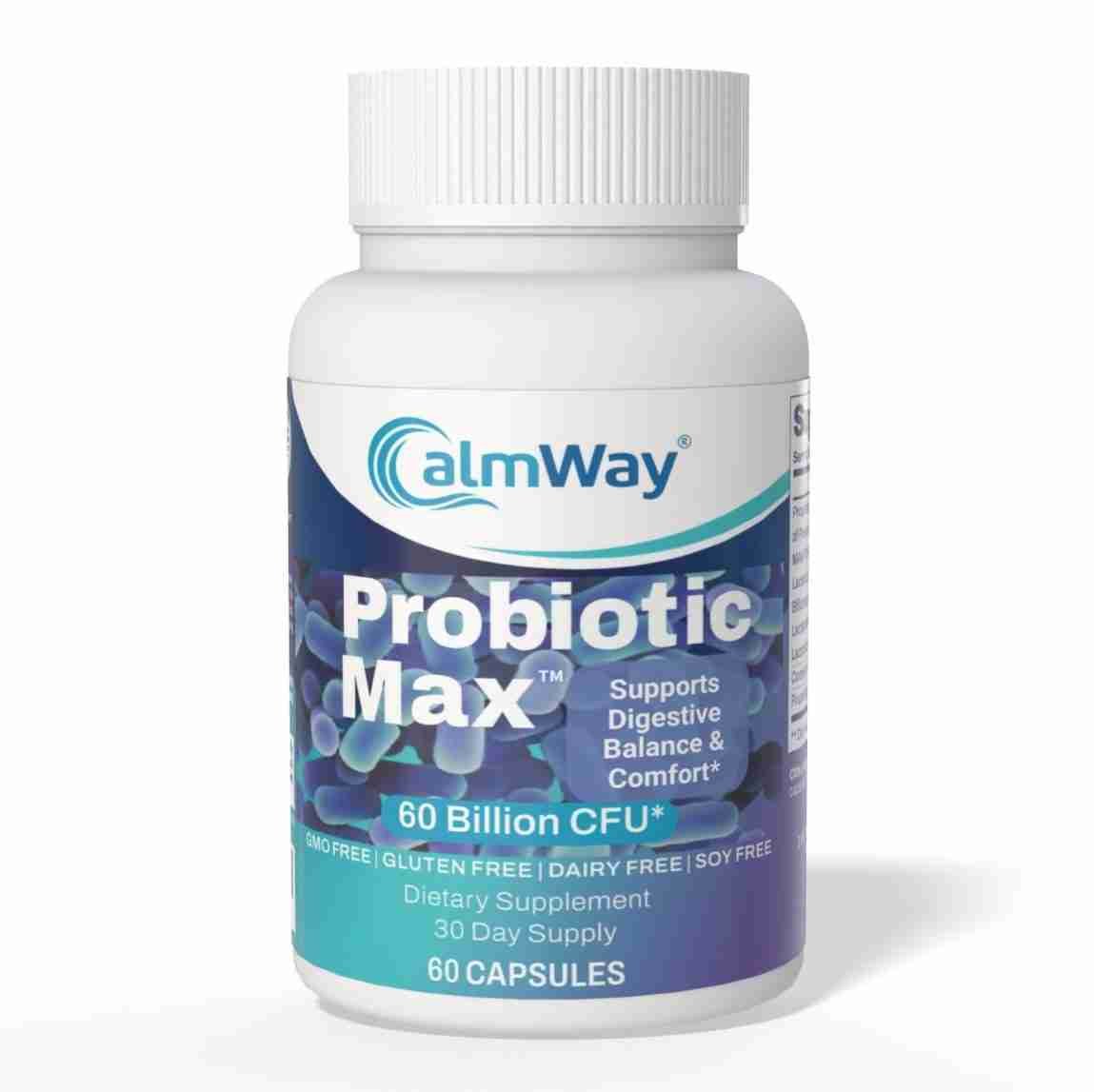


$19.99


$19.99
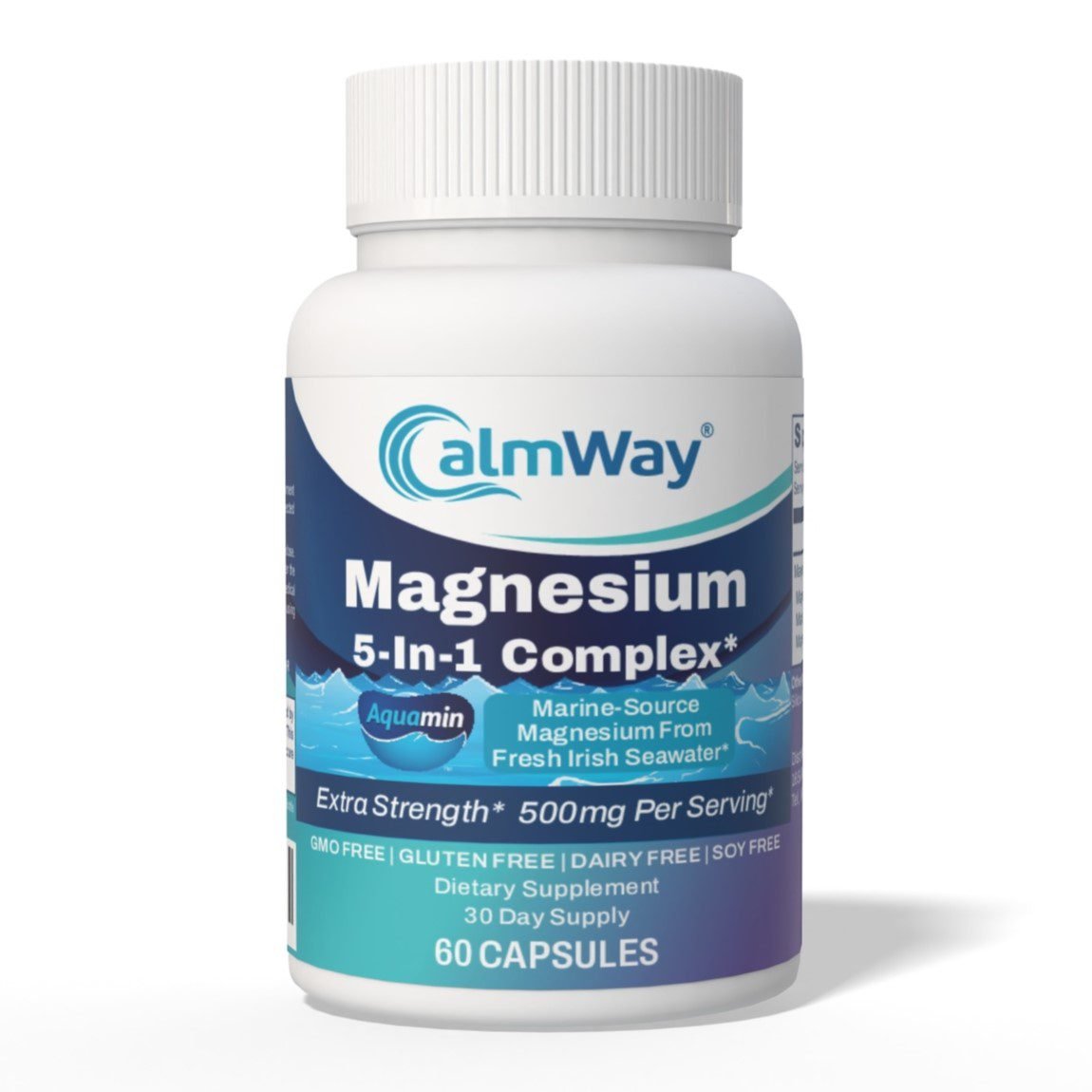
$23.99
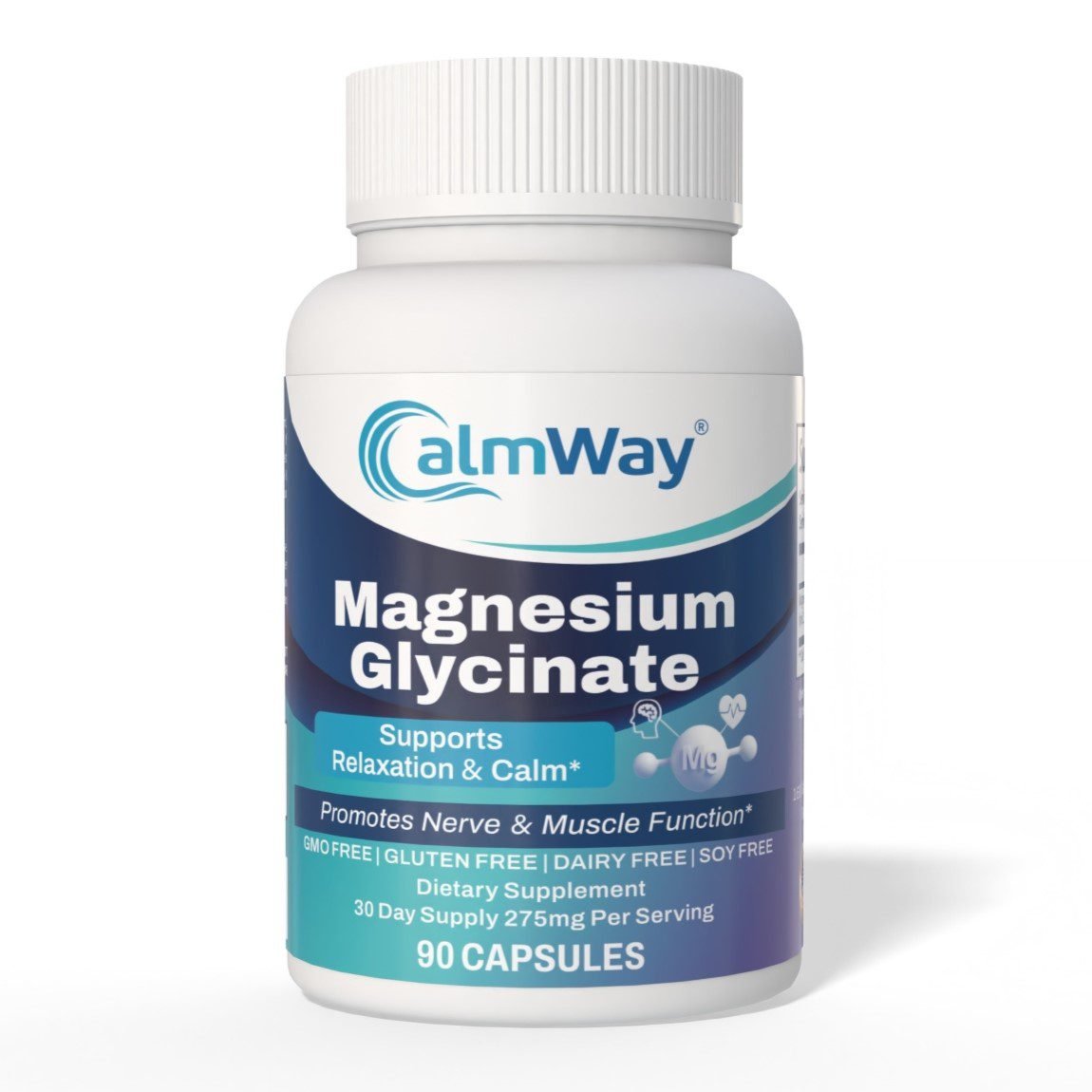
$23.99

$19.99
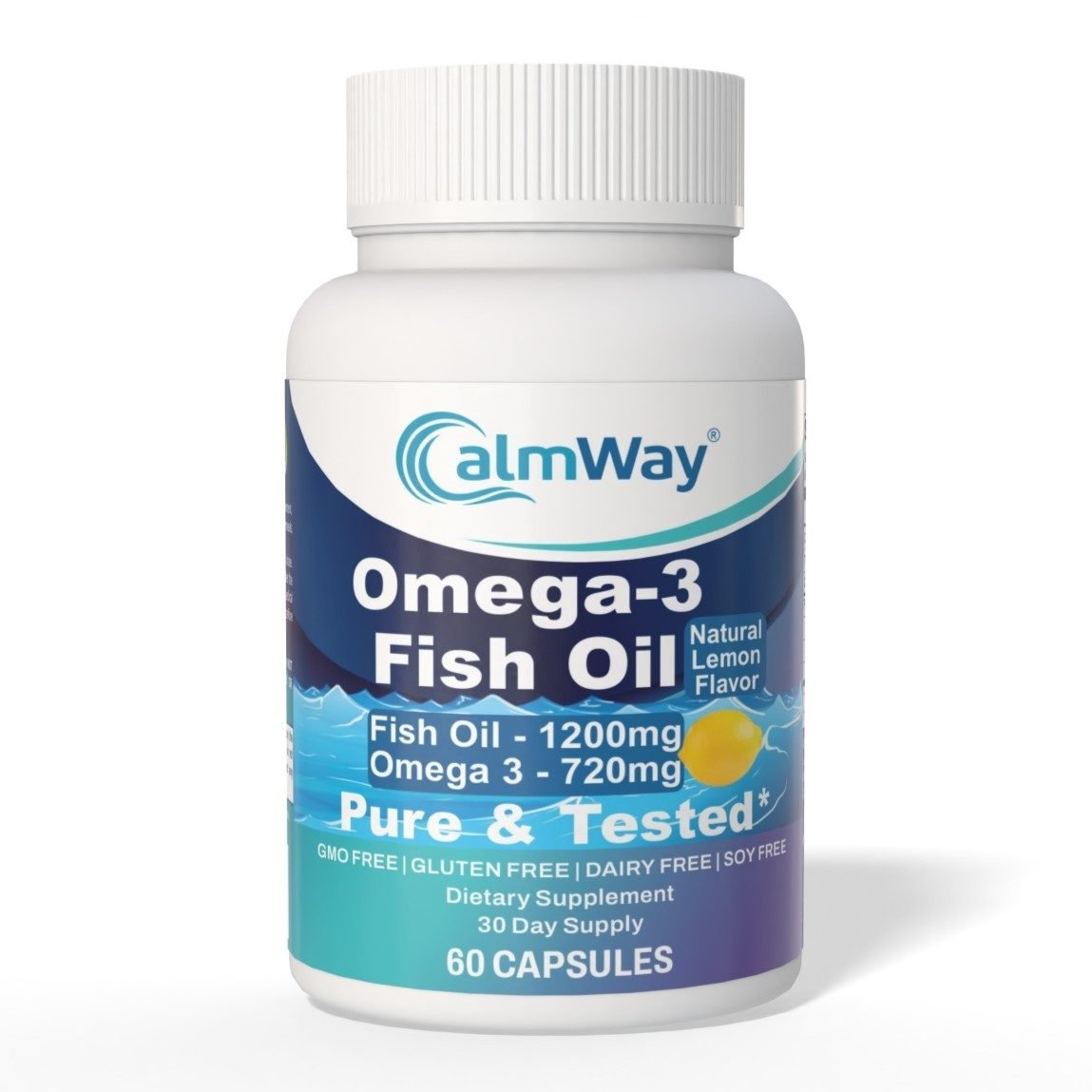
$19.99
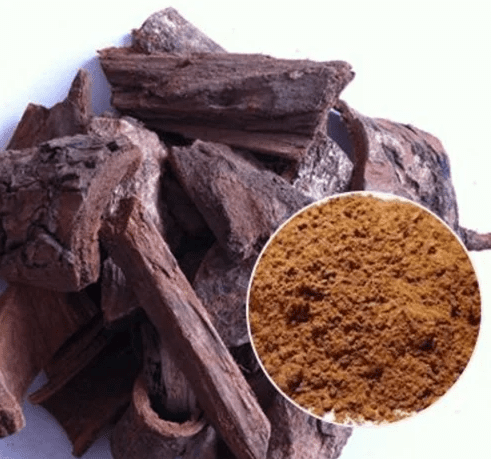
Pygeum bark extract is derived from the bark of the African cherry tree (Prunus africana), an evergreen species native to the mountainous forests of Central and Southern Africa. This tree has long been valued for its medicinal properties, particularly for supporting prostate and urinary health in men.
For centuries, pygeum was used in African traditional medicine. In the 20th century, it gained global recognition for its effectiveness in managing benign prostatic hyperplasia (BPH), a common, non-cancerous prostate gland enlargement. Today, pygeum bark extract is a widely used botanical supplement, often combined with other prostate-supportive herbs like saw palmetto and nettle root.
In indigenous African medicine, the bark of Prunus africana was traditionally used to treat a variety of ailments, including:
Healers would grind the bark into powder and brew it into teas or decoctions. Its use eventually spread to Europe, where it became integrated into phytotherapy practices, especially for treating BPH and lower urinary tract symptoms (LUTS).
The therapeutic effects of pygeum bark extract are attributed to its complex mix of lipophilic and phytosterol compounds, including:
These compounds work synergistically to provide anti-inflammatory, anti-androgenic, and antioxidant effects, which are key in managing prostate-related conditions.
BPH affects more than 50% of men over the age of 50, leading to urinary symptoms such as frequent urination, nocturia (nighttime urination), and a weak urinary stream. Pygeum bark extract has been extensively studied for its ability to reduce BPH symptoms and improve urinary flow.
A meta-analysis published in the journal Cochrane Database of Systematic Reviews (2002) reviewed 18 randomized controlled trials involving 1,562 men. It concluded that pygeum extract significantly improved urinary flow, reduced nocturia, and decreased residual urine volume (Wilt et al., 2002).
Pygeum’s anti-inflammatory properties help soothe the bladder and urinary tract, easing discomfort and improving urine retention and flow. This is especially beneficial in men with prostate enlargement, but some women may also use pygeum for bladder irritation.
The extract is thought to reduce inflammation in the urogenital tract and may also have antimicrobial effects, though more research is needed in this area.
The triterpenes and phytosterols in pygeum bark contribute to its anti-inflammatory profile. These compounds inhibit the production of pro-inflammatory prostaglandins and leukotrienes, which are linked to prostate swelling and discomfort.
Additionally, pygeum’s antioxidants protect cells from oxidative stress, which is a known contributor to aging and chronic diseases, including prostate disorders.
One of pygeum’s mechanisms is believed to be modulating androgen hormones, particularly dihydrotestosterone (DHT), which plays a role in prostate growth. Pygeum may inhibit the enzyme 5-alpha-reductase, which converts testosterone to DHT, similar to pharmaceutical drugs like finasteride but with fewer side effects.
Pygeum bark extract is available in various forms:
Most clinical studies use a dosage of 50–100 mg twice daily, standardized to 13% total sterols. To observe full benefits, it is often taken for several weeks or months.
Pygeum bark extract is generally well-tolerated and considered safe when used as directed. Mild side effects may include:
It is not recommended for people with known allergies to Prunus species or those taking medications for hormonal conditions without medical advice. Due to the lack of safety data, pregnant or breastfeeding individuals should avoid use.
One significant issue surrounding pygeum is its overharvesting in the wild. Due to its popularity and limited habitat, Prunus africana has been listed under Appendix II of CITES (Convention on International Trade in Endangered Species) to regulate its trade and prevent extinction.
Consumers are encouraged to purchase pygeum supplements from sustainable and ethically sourced suppliers that adhere to conservation standards.
Pygeum bark extract is a powerful natural remedy derived from the African cherry tree, widely recognized for its benefits in prostate and urinary health. Its anti-inflammatory, anti-androgenic, and antioxidant properties make it particularly useful in managing benign prostatic hyperplasia and improving lower urinary tract symptoms.
Though more high-quality research is needed to confirm all its effects, the current evidence supports its role as a safe, effective herbal option for men’s health. Choosing sustainably sourced products is essential to protect this valuable resource for future generations.


No account yet?
Create an Account