



$19.99


$19.99

$23.99

$23.99

$19.99

$19.99
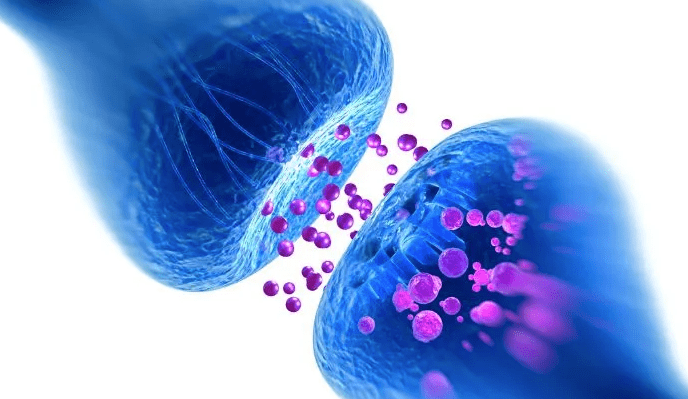
GABA, or gamma-aminobutyric acid, is a naturally occurring amino acid and neurotransmitter that plays a key role in regulating communication between nerve cells in the brain. As the brain’s primary inhibitory neurotransmitter, GABA has a calming effect on the nervous system and is essential for maintaining mental and emotional balance.
Discovered in the 1950s, GABA has become a significant focus of research in neuroscience and mental health. It is widely studied for its involvement in anxiety, sleep, depression, and neurological disorders. Today, GABA is also available as a dietary supplement, often marketed for stress reduction, improved sleep, and mood support.
Neurotransmitters are chemical messengers that carry signals across synapses between neurons. GABA’s primary function is to inhibit or reduce the activity of neurons, thereby preventing overexcitation in the brain.
This inhibitory action is essential for:
GABA is produced in the brain from another neurotransmitter, glutamate, with the help of the enzyme glutamate decarboxylase (1). While glutamate excites neurons and increases activity, GABA calms them down, creating a crucial balance in brain function.
Low levels of GABA are strongly associated with anxiety disorders. Because GABA inhibits neural activity, insufficient GABA can lead to overstimulation, manifesting as chronic worry, restlessness, or panic attacks.
Several classes of anti-anxiety medications, such as benzodiazepines (e.g., diazepam or alprazolam), work by enhancing GABA’s effects at its receptor sites, producing rapid calming effects (2).
Depression has also been linked to disrupted GABA signaling. Studies using brain imaging and cerebrospinal fluid analysis have shown that people with depression often have reduced GABA levels (3). Antidepressant therapies that modulate GABAergic systems, such as selective serotonin reuptake inhibitors (SSRIs) and novel GABA-targeting drugs, show promise in managing symptoms.
GABA’s calming properties make it critical for initiating and maintaining sleep. Medications like zolpidem (Ambien), a non-benzodiazepine sleep aid, act on GABA receptors to facilitate sleep. Some studies suggest that GABA supplements or natural GABA-enhancing practices (like meditation) may improve sleep quality and reduce insomnia (4).
Because GABA inhibits neural excitability, it plays a major role in preventing seizures. Several anti-epileptic drugs (e.g., valproate, gabapentin) increase GABA availability or mimic its effects to stabilize brain activity and prevent convulsions (5).
Emerging research suggests that abnormalities in GABAergic signaling may contribute to attention-deficit hyperactivity disorder (ADHD) and autism spectrum disorders (ASD). These conditions may involve imbalances between excitatory (glutamate) and inhibitory (GABA) systems, leading to symptoms like hyperactivity, impulsivity, and sensory overload (6).
GABA supplements are widely available and are commonly used for:
However, there is ongoing debate about whether oral GABA supplements effectively cross the blood-brain barrier (BBB)—a protective filter that regulates which substances can enter the brain from the bloodstream. Some studies suggest that only limited amounts of supplemental GABA may reach the brain (7), while others propose that GABA might influence the central nervous system indirectly via the gut-brain axis or by acting on peripheral GABA receptors (8).
In addition to supplementation, GABA activity in the brain can be supported through diet and lifestyle:
Although GABA is present in small amounts in some foods, its levels can be indirectly boosted through nutrients that support GABA synthesis. These include:
GABA supplements are generally considered safe when used appropriately. However, some individuals may experience mild side effects such as:
GABA may also interact with sedatives, anti-anxiety medications, or alcohol, increasing their effects and potentially causing excessive sedation. It’s advisable to consult a healthcare provider before starting GABA, especially if taking other medications.
Gamma-aminobutyric acid (GABA) is a vital neurotransmitter that calms the nervous system and promotes emotional and neurological balance. It is a key player in regulating anxiety, sleep, mood, and brain excitability. While the efficacy of GABA supplements is still under scientific scrutiny, their importance in mental health and neurobiology is undisputed.
Ongoing research continues to explore how GABA can be effectively supported through diet, lifestyle, and therapeutics, offering promising avenues for addressing anxiety, insomnia, and related conditions.


No account yet?
Create an Account


